This article's table of contents introduction:
- What are Corrosion-Resistant High-Pressure Fans?
- Key Applications
- Critical Materials of Construction
- Key Design Features for High-Pressure
- Types of Corrosion-Resistant High-Pressure Fans
- Selection Criteria Checklist
- Maintenance Tips
- Major Manufacturers for Reference
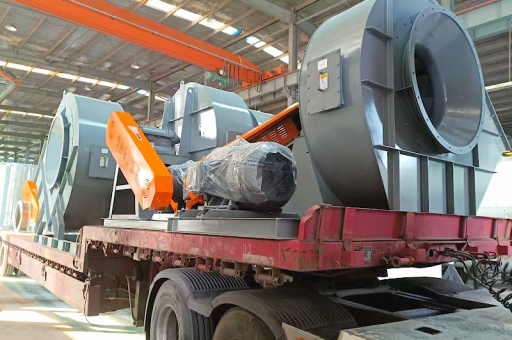
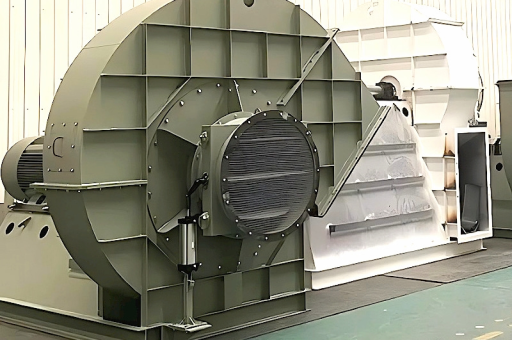
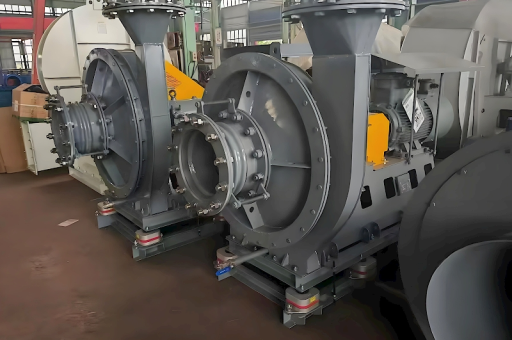
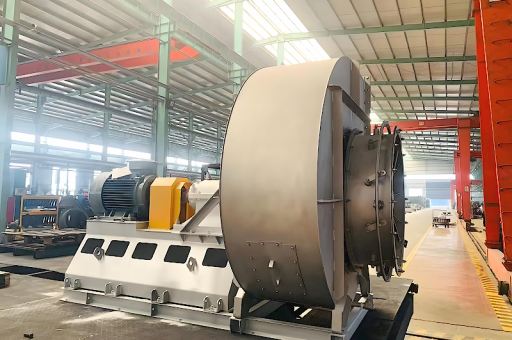
Here is a comprehensive guide to Corrosion-Resistant High-Pressure Fans, covering the applications, materials, design features, types, and selection criteria.
What are Corrosion-Resistant High-Pressure Fans?
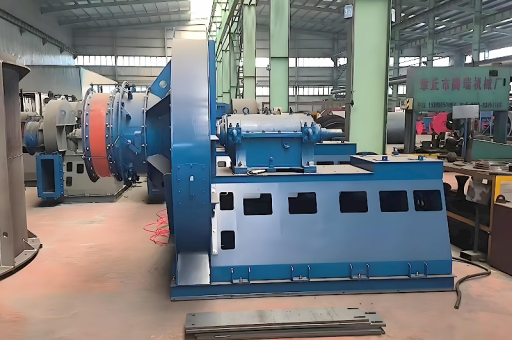
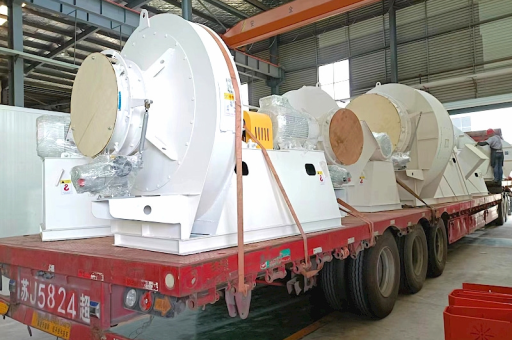
These are specialized industrial fans designed to move large volumes of air or gas against significant static pressure (typically > 15 inches of water gauge or 3700 Pa) while being exposed to corrosive chemicals, moisture, salt spray, or acidic/alkaline gases.
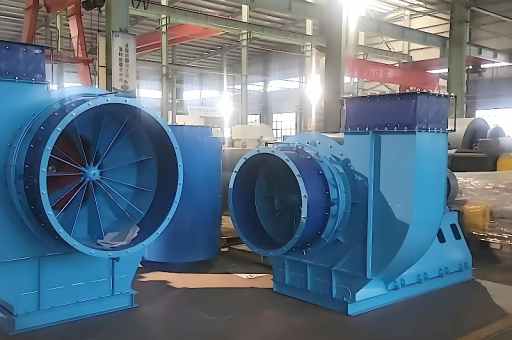
- "High-Pressure" implies a steep pressure rise, often requiring centrifugal fan designs (like radial or backward-curved blades).
- "Corrosion-Resistant" means the fan's wetted parts (impeller, housing, inlet cone) are made from or coated with materials that can withstand chemical attack.
Key Applications
These fans are critical in harsh environments where standard steel fans would fail within weeks or months:
- Chemical Processing: Handling chlorine, hydrochloric acid (HCl), sulfuric acid (H₂SO₄), ammonia, and solvent vapors.
- Wastewater Treatment: Aeration systems, fume extraction from digesters, and grit removal systems (exposed to H₂S and moisture).
- Metal Finishing & Plating: Exhausting corrosive fumes from chrome plating, anodizing, and pickling tanks.
- Pharmaceuticals: Fume hood exhaust and cleanroom pressurization where corrosive disinfectants are used.
- Marine & Offshore: Ventilation of engine rooms, pump rooms, and cargo holds exposed to salt-laden air.
- Semiconductor Manufacturing: Exhaust from etching and cleaning processes using fluorine, chlorine, and other corrosive gases.
- Fume Scrubbers: Downstream of scrubbers, the air is clean but often highly saturated with moisture and residual acid.
Critical Materials of Construction
The choice of material is the single most important factor. Options range from metallic alloys to non-metallics.
Metallic Alloys (Best for high temperature + high corrosion)
| Material | Corrosion Resistance | Temperature Limit | Cost | Typical Use Case |
|---|---|---|---|---|
| SS 304 (Stainless Steel) | Good for general moisture, mild acids, and organic compounds. Fails in chlorides (pitting). | ~700°F (370°C) | Moderate | Humidity exhaust, general chemical air. |
| SS 316L | Excellent for chlorides (salt, bleach, marine air). "L" grade prevents weld decay. | ~700°F (370°C) | Moderate-High | Coastal plants, bleach handling, seawater. |
| Duplex / Super Duplex | Very high stress corrosion cracking resistance. | ~550°F (290°C) | High | Offshore, highly acidic chlorides. |
| Hastelloy (C-276, C-22) | Outstanding against wet chlorine, strong acids (HCl, H₂SO₄), and oxidizing agents. | ~1000°F (540°C) | Very High | Chemical reactors, wet chlorine gas. |
| Titanium | Best for chlorides, wet chlorine, and seawater over a wide temperature range. | ~600°F (315°C) | Very High | Marine, chlor-alkali industry. |
Non-Metallic / Coated (Best for low temperature, highly aggressive acids)
| Material | Corrosion Resistance | Temperature Limit | Cost | Typical Use Case |
|---|---|---|---|---|
| FRP (Fiberglass Reinforced Plastic) | Excellent for most acids, bases, and salts. Flammable. | ~200°F (93°C) | Moderate | Fume scrubbers, plating tanks, wastewater. |
| PP (Polypropylene) | Great for most acids & bases. Very lightweight. Softens at high temp. | ~180°F (82°C) | Low | Low-temp fume exhaust, lab hoods. |
| PVC / CPVC | Excellent chemical resistance (PVC for mild, CPVC for higher temp). | ~140-200°F (60-93°C) | Low-Moderate | Small lab exhaust, low pressure. |
| PVDF (Kynar) | High purity & corrosion resistance. Used in semiconductor. | ~275°F (135°C) | High | Semiconductor fume exhaust. |
| Rubber-Lined Steel | Steel housing provides strength, rubber liner provides corrosion barrier. | ~200°F (93°C) | Moderate-High | Abrasive + corrosive slurries (e.g., scrubbers). |
Key Design Features for High-Pressure
- Centrifugal Fan Design: The most common design for achieving high pressure. Specifically:
- Radial (Paddlewheel) Blades: Highest pressure, handles dust and sticky materials, but lower efficiency.
- Backward-Curved (BC) / Airfoil Blades: High efficiency, quieter, good for clean air at high pressure.
- Backward-Inclined (BI) Blades: A good balance of pressure, efficiency, and medium-build tolerance.
- Steel Backplate with FRP Impeller: Often cheaper than solid FRP or metal. The steel hub provides strength for the drive, while the FRP blades contact the corrosive air.
- Shaft Seal: A shaft seal or split-labyrinth seal prevents corrosive air from migrating along the drive shaft into the bearing housing (a common failure point).
- External Bearing Housing: Bearings should be mounted outside the airstream on a pedestal or pillow block to isolate them from corrosive gases.
- Drainage: A bottom drain with a plug or valve to periodically flush out condensed corrosive liquid.
- Spark-Resistant Construction: For flammable corrosive gases (e.g., hydrogen), non-ferrous impellers (aluminum bronze) are used.
Types of Corrosion-Resistant High-Pressure Fans
-
FRP (Fiberglass) Centrifugal Fans
- Best For: Low to moderate temperature (up to 200°F), highly acidic environments (e.g., HCl, H₂SO₄).
- Pros: Very light, excellent chemical resistance, cost-effective.
- Cons: Lower temperature limit, cannot handle sparks, can be brittle if hit.
-
Stainless Steel (304/316L) Centrifugal Fans
- Best For: Moderate to high temperature, general industrial chemical plants, marine, food processing.
- Pros: Strong, handles heat, spark-resistant (non-ferrous).
- Cons: Heavier, more expensive than FRP, can fail in specific aggressive chemicals.
-
Plastic (PP/PVDF) Centrifugal Fans
- Best For: Semiconductor labs, clean rooms, low-temperature fume hoods.
- Pros: Very clean, excellent for high-purity chemicals, weldable.
- Cons: Low structural strength (must be reinforced), limited pressure capacity.
-
Coated Steel Fans (Epoxy, Halar, Teflon, Rubber)
- Best For: Abrasive + corrosive applications (e.g., scrubber slurries, flue gas).
- Pros: Strong steel core with a chemical barrier.
- Cons: If the coating gets a pinprick, the steel will fail rapidly. High cost.
Selection Criteria Checklist
When specifying a fan for this duty, ask these questions:
- Gas/Air Composition: What specific chemicals are present (e.g., HCl, Cl₂, HF)? List concentrations.
- Temperature: What is the maximum continuous and surge temperature?
- Moisture Content: Is the gas saturated or wet? (This dramatically increases corrosion rates).
- Particulate: Is there dust or mist? (Requires radial blades or abrasion-resistant coatings).
- Pressure: What static pressure is required? (Higher pressure favors heavier gauge metals or stiffer FRP).
- Safety: Is the gas explosive? (Requires spark-resistant construction, often AMCA Type A or B).
- Location: Indoor or outdoor? (Requires weather cover, UV-resistant coatings).
- Standards: Does it need AMCA (Air Movement and Control Association) certification for performance or sound?
Maintenance Tips
- Inspect Coatings: Regularly check FRP for cracks or delamination. For lined fans, use a "spark test" to find pinholes in rubber linings.
- Check Impeller Balance: Corrosion can eat away at blades unevenly, causing vibration.
- Drain Condensate: Ensure drain plugs are opened periodically to prevent acidic liquid pools in the fan housing.
- Bearing Health: Listen for noise. Corrosive gas contamination of the bearing grease is a leading cause of failure.
Major Manufacturers for Reference
- Greenheck (Offers FRP and SSD fans)
- Cincinnati Fan (Specializes in high-temp and corrosive fans)
- New York Blower (NYB) (Extensive line of alloy and FRP fans)
- Robinson Fans (High-temp heavy industrial, often alloy)
- Howden (Heavy industrial, large process fans)
- AirPro Fan & Blower Co. (Quick ship corrosive fans)
- Plasticair (Specialist in FRP and polypropylene fans for corrosion)
Let me know if you have a specific gas composition or temperature range—I can help narrow down which material and fan type is best for your application.