This article's table of contents introduction:
- Introduction: The Intersection of Air Pollution Control and Mechanical Engineering
- What Are Flue Gas Desulfurization High-Pressure Fans?
- Operational Principles and System Integration
- Key Performance Metrics and Design Considerations
- Common Failures and Diagnostic Approaches
- Maintenance Strategies for Extended Service Life
- Energy Efficiency and Cost Optimization
- Advances in Fan Technology for FGD Applications
- Frequently Asked Questions (Q&A)
- Conclusion: The Future of FGD High-Pressure Fans
*The Critical Role of High-Pressure Fans in Flue Gas Desulfurization Systems: Performance, Optimization, and Maintenance*
Table of Contents (Directory Guide)
- Introduction: The Intersection of Air Pollution Control and Mechanical Engineering
- What Are Flue Gas Desulfurization High-Pressure Fans?
- Operational Principles and System Integration
- Key Performance Metrics and Design Considerations
- Common Failures and Diagnostic Approaches
- Maintenance Strategies for Extended Service Life
- Energy Efficiency and Cost Optimization
- Advances in Fan Technology for FGD Applications
- Frequently Asked Questions (Q&A)
- Conclusion: The Future of FGD High-Pressure Fans
Introduction: The Intersection of Air Pollution Control and Mechanical Engineering
Flue gas desulfurization (FGD) is a cornerstone technology in modern power generation and industrial processing, particularly for coal-fired power plants and large-scale chemical facilities. The process removes sulfur dioxide (SO₂) from exhaust flue gases before they are released into the atmosphere. While the chemistry of FGD—whether based on wet limestone scrubbing, seawater scrubbing, or dry sorbent injection—is well understood, the mechanical equipment driving the process often receives less attention than it deserves. Among the most critical but underappreciated components are the Flue Gas Desulfurization High-Pressure Fans. These fans are not merely air movers; they are precision-engineered machines that must tolerate corrosive, abrasive, and high-temperature environments while maintaining strict pressure differentials. Without properly designed high-pressure fans, the entire desulfurization system would fail to meet emission standards, and the resulting downtime could cost millions in fines and lost production. This article aims to provide a comprehensive, SEO-optimized guide to these fans, bridging gaps between operational reality and theoretical design. We will explore their function, failure modes, maintenance, and future trends, ensuring that engineers, procurement managers, and maintenance teams have a single reliable reference.
What Are Flue Gas Desulfurization High-Pressure Fans?
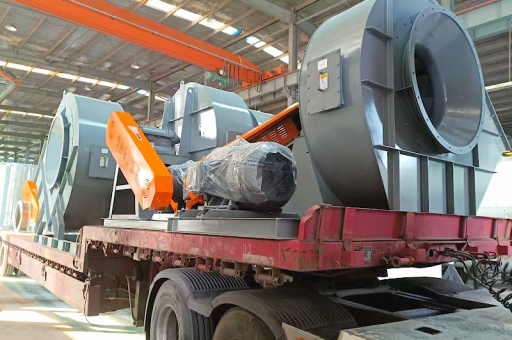
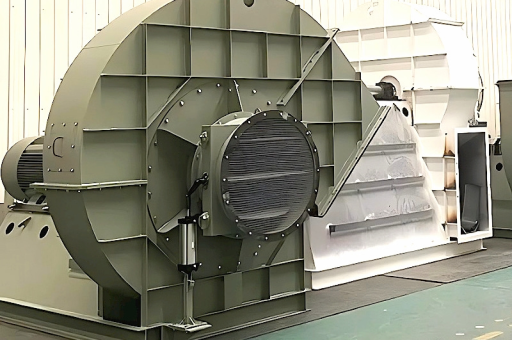
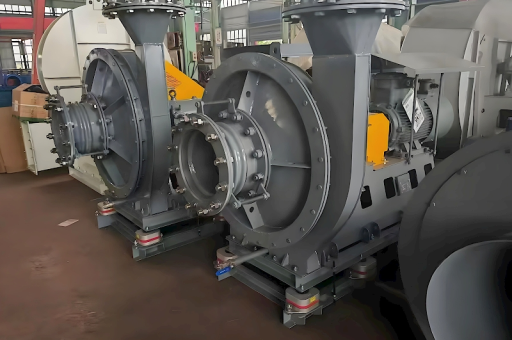
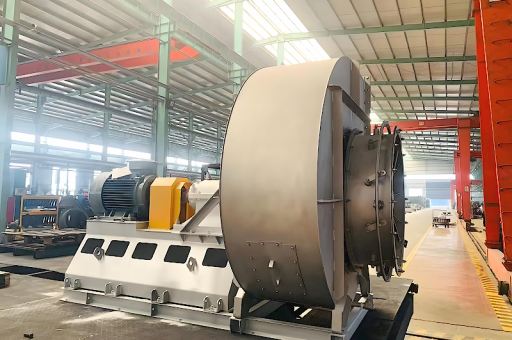
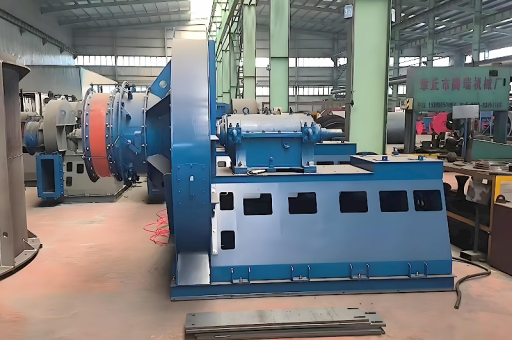
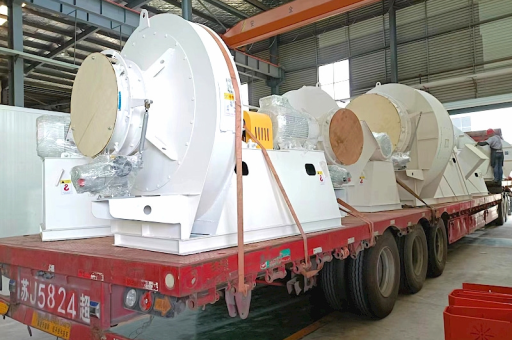
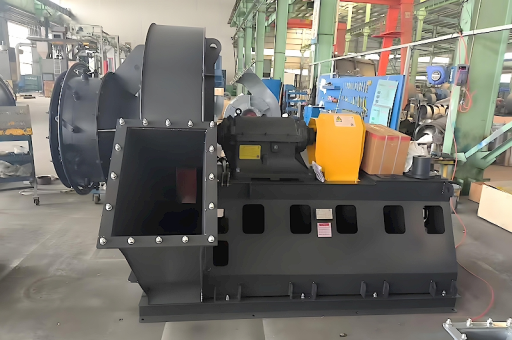
High-pressure fans used in FGD systems are specifically designed to overcome the backpressure generated by scrubbers, ducts, dampers, and stack systems. Unlike standard industrial fans, these units must handle corrosive gases containing sulfuric acid mist, chlorides, and high humidity. They are typically classified as centrifugal fans, with either backward-inclined, airfoil, or radial-tip blades. The "high-pressure" designation refers to their ability to generate static pressure rises commonly exceeding 2,500 Pa (10 inches of water gauge) and sometimes reaching 8,000 Pa or more, depending on system layout.
The connection between FGD high-pressure fans and the broader energy industry is significant. For instance, when considering the overall environmental footprint of a power plant, the energy consumed by these fans directly offsets the net output of the facility. This is why modern designs increasingly integrate variable frequency drives (VFDs) and aerodynamic optimization. Similar engineering principles can be observed in wind turbine aerodynamics, where blade profiles are optimized for pressure recovery and flow control—though the context is different, the focus on efficiency under harsh conditions is shared.
Operational Principles and System Integration
In a typical wet FGD system, the high-pressure fan is positioned either upstream of the absorber tower (forced draft) or downstream (induced draft) . Forced draft fans push the flue gas into the scrubber, while induced draft fans pull the cleaned gas out. The choice affects fan material selection because upstream fans encounter hotter, more abrasive particulate matter, whereas downstream fans face high moisture and acid condensation.
The fan impeller must be designed to resist erosion from fly ash and corrosion from acidic condensate. Common material choices include Corten steel, duplex stainless steel, or high-chrome alloys, with protective coatings applied on the blade surfaces. The housing and inlet box often include anti-vortex baffles and wear liners. The bearing system must be robust, often with water cooling or forced lubrication, to handle the oxidation and thermal stresses.
Integration with control systems is another critical aspect. Modern FGD plants use mass flow control algorithms that adjust fan speed or inlet guide vanes based on SO₂ concentration and plant load. This dynamic response reduces energy waste and prevents excessive pressure fluctuations. The control philosophy must also accommodate startup conditions where wet scrubbers can cause condensate pooling and blade imbalance.
Key Performance Metrics and Design Considerations
When selecting or evaluating these fans, engineers must focus on several specific metrics:
- Static Pressure Rise: Typically specified at the maximum design duty point, including margin for fouling.
- Flow Rate: Measured in cubic meters per second (m³/s), often at high temperature (120–160°C).
- Efficiency: Should exceed 80% at design point; below 70% indicates suboptimal blade geometry.
- Noise Level: Must comply with workplace regulations (usually below 85 dBA at 1 meter).
- Vibration Amplitude: Should be monitored continuously; severe vibration indicates imbalance or bearing degradation.
A case study from a 600 MW coal plant showed that replacing a radial-tip fan with a modern backward-inclined airfoil design increased system efficiency by 12% and reduced electricity consumption by 1.5 MW annually. This improvement directly lowers the plant’s carbon dioxide emissions per kWh, aligning with global clean energy goals. Similarly, in wind turbine manufacturing, blade geometry optimization plays a comparable role in maximizing energy capture while minimizing structural fatigue.
Common Failures and Diagnostic Approaches
High-pressure fans in FGD environments experience a unique set of failure modes:
- Erosive wear of blades: Fly ash particles at high velocity abrade the leading edge and pressure surface, reducing aerodynamic efficiency. This is common in forced draft systems.
- Corrosion due to acid dew point: When flue gas temperature falls below the sulfuric acid dew point (typically 110–140°C), acid forms on the fan surfaces, leading to pitting and stress corrosion cracking.
- Bearing failures from condensation: In induced draft installations, moisture ingress through seals degrades grease and leads to premature bearing fatigue.
- Rotor imbalance and fatigue cracks: As blades wear unevenly, dynamic imbalance amplifies and can cause shaft cracks or disk failures.
Diagnosis should rely on vibration analysis (FFT spectrum), wear inspection via borescope, and pressure differential trending. For example, a sudden drop in static pressure combined with increased motor current often indicates blade fouling or erosion. Thermal imaging can also detect hot spots on bearing housings, indicating lubrication breakdown.
Maintenance Strategies for Extended Service Life
A proactive maintenance program for these fans includes:
- Scheduled inspection at 3,000-hour intervals: Check blade thickness, coating integrity, and bolt torque.
- Balance correction: Perform dynamic balancing on-site using portable balancers after any blade repair.
- Bearing replacement protocols: Use sealed, shielded bearings with synthetic grease that resists moisture washout.
- Inlet guide vane maintenance: Lubricate and test vane actuators to ensure smooth modulation.
For plants that operate continuously (e.g., baseload coal units), it is advisable to install redundant fans with automatic changeover or to schedule maintenance during planned outages. Real-time monitoring systems that track vibration, temperature, and pressure can trigger alarms before catastrophic failure occurs. These systems are increasingly integrated with predictive maintenance platforms that use machine learning to forecast remaining useful life.
Energy Efficiency and Cost Optimization
The energy consumption of FGD high-pressure fans is a significant portion of a plant’s auxiliary load—often between 1.5% and 3% of total generation. Improving fan efficiency yields substantial cost savings. Key strategies include:
- VFD retrofits: Replacing inlet dampers with VFDs can reduce fan power consumption by 25–40% at partial loads.
- Blade cleaning systems: Periodic water or steam cleaning removes deposits without manual entry.
- Aerodynamic improvements: Adding diffusers or optimising the fan housing geometry reduces system resistance.
A power plant in the Midwest reported US$320,000 annual savings after upgrading to high-efficiency fans with VFDs. This reduction in parasitic load also reduces coal consumption and associated emissions—a triple benefit for sustainability.
Advances in Fan Technology for FGD Applications
Recent innovations include:
- Composite blades: Carbon-fiber reinforced polymer blades offer excellent corrosion resistance and lower inertia, reducing stress on bearings. They are now being tested in European FGD plants.
- Magnetic bearings: Active magnetic bearing systems eliminate contact, lubrication, and vibration transmission. While currently expensive, they eliminate condensation-related failures.
- Additive manufacturing of impellers: 3D-printed impellers allow complex geometries that improve flow efficiency and reduce weight.
These technologies are also relevant to wind turbine design, where lightweight, durable blades are critical for both performance and longevity. The cross-pollination between these fields is accelerating as materials and control systems mature.
Frequently Asked Questions (Q&A)
Q1: What is the typical lifespan of an FGD high-pressure fan? A: With proper maintenance, an impeller can last 5–8 years, while bearings require replacement every 1–3 years. Corrosion and wear significantly reduce lifespan in high-chloride environments.
Q2: How do I select between a forward-curved and backward-inclined fan? A: Backward-inclined fans are preferred for high-pressure FGD applications due to higher efficiency and lower torque requirements. Forward-curved fans are generally avoided because they are prone to stall and have lower static pressure capability.
Q3: Can I use standard industrial fans for FGD service? A: No. Standard fans lack corrosion-resistant coatings and erosion-resistant materials. Using them in FGD service leads to rapid failure, safety hazards, and compliance violations.
Q4: What monitoring parameters are essential? A: Vibration (overall RMS and FFT), temperature (inlet and bearing), motor current, and pressure differential across the fan. Continuous trending allows early detection of imbalance, fouling, and bearing degradation.
Q5: How does the fan design differ from similar equipment like a wind turbine? A: While both involve rotating blades and aerodynamic principles, FGD fans operate at fixed speeds (or narrow VFD range), handle hot corrosive gases, and must withstand high static pressures. Wind turbines operate in variable ambient conditions, prioritize torque generation, and use pitch control for load management. The material challenges also differ—corrosion vs. fatigue from turbulent wind.
Conclusion: The Future of FGD High-Pressure Fans
The role of Flue Gas Desulfurization High-Pressure Fans in achieving emission compliance and operational reliability cannot be overstated. As global regulations tighten and power plants transition toward lower emissions, these fans must evolve to handle more challenging gas compositions, higher efficiency requirements, and longer maintenance intervals. The integration of IoT sensors, improved materials, and smarter control logic will define the next generation of these machines. Engineers and operators who understand the technical nuances outlined in this article will be better equipped to select, maintain, and optimize their systems. Moreover, the technological crossover between industrial fans and wind turbine aerodynamics suggests that future designs will be more efficient, durable, and environmentally aligned. Investing in advanced fan technology is not just an operational decision—it is a strategic commitment to sustainability and cost-effective energy production.