This article's table of contents introduction:
- Introduction: Why 110kW Fans Matter in Pneumatic Conveying
- Technical Specifications and Performance Parameters
- Key Applications Across Industries
- Energy Efficiency and Operational Cost Analysis
- Common Challenges and Troubleshooting Q&A
- Maintenance Best Practices for Longevity
- Conclusion: Selecting the Right 110kW Powder Conveying Fan
** The Critical Role of 110kW Powder Conveying Fans in Industrial Bulk Material Handling
Table of Contents
- Introduction: Why 110kW Fans Matter in Pneumatic Conveying
- Technical Specifications and Performance Parameters
- Key Applications Across Industries
- Energy Efficiency and Operational Cost Analysis
- Common Challenges and Troubleshooting Q&A
- Maintenance Best Practices for Longevity
- Conclusion: Selecting the Right 110kW Powder Conveying Fan
Introduction: Why 110kW Fans Matter in Pneumatic Conveying
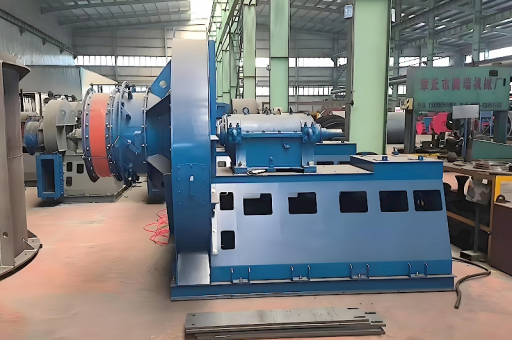
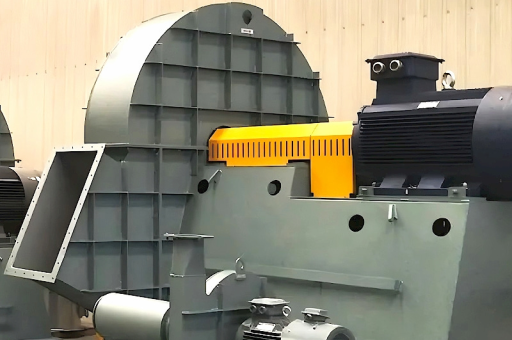
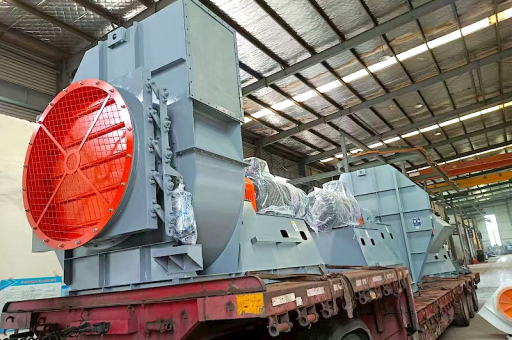
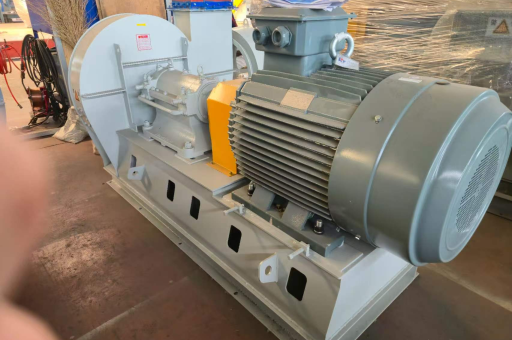
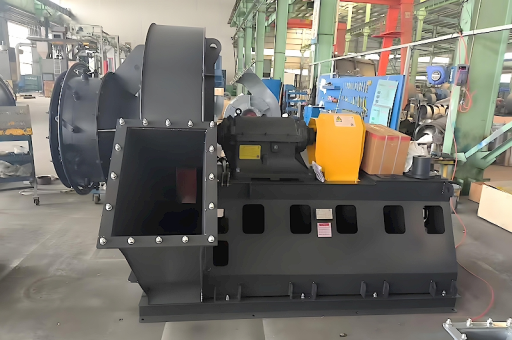
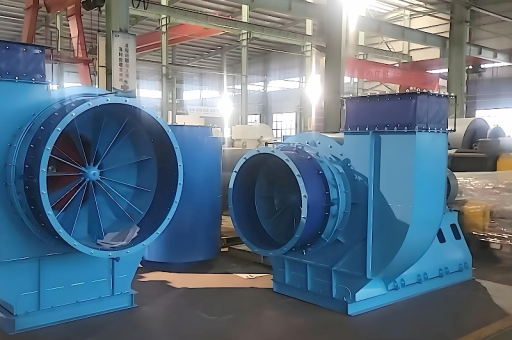
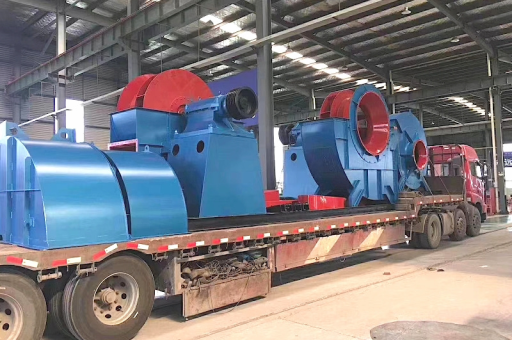
In modern industrial settings, the efficient movement of bulk powders—such as cement, fly ash, flour, plastic pellets, and pharmaceutical ingredients—relies heavily on pneumatic conveying systems. At the heart of these systems lies the 110kW powder conveying fan, a robust piece of machinery designed to generate the high-pressure airflow necessary to transport materials over long distances and through complex piping networks.
The 110kW power rating places this fan in the medium-to-heavy-duty category, capable of handling volumetric flow rates typically ranging from 15,000 to 30,000 m³/h at pressures between 50 kPa and 100 kPa. Its positioning is critical: too low a power rating leads to blockages and system downtime; too high increases capital and operational costs unnecessarily. Understanding the precise role of this fan is the first step toward optimizing any dry bulk handling system.
Technical Specifications and Performance Parameters
A typical 110kW powder conveying fan is a centrifugal or roots-type blower engineered for continuous operation under dusty conditions. Key specifications include:
- Motor Power: 110 kW (approximately 147 HP)
- Airflow Capacity: 20,000–28,000 m³/h (varies by manufacturer and impeller design)
- Max. Static Pressure: 60–120 kPa (depending on single or multi-stage configuration)
- Impeller Material: Cast iron or stainless steel for abrasive material resistance
- Noise Level: 85–95 dB(A) (often requiring silencers or enclosures)
- Drive System: Direct drive or V-belt, with variable frequency drive (VFD) compatibility
Performance curve interpretation is vital. For example, at 110 kW, a fan moving cement powder at 50 kPa will convey approximately 18 tons per hour over a 200-meter horizontal distance. Deviating from the designed operating point can cause cavitation in vacuum systems or overheating in pressure systems.
Key Applications Across Industries
The 110kW powder conveying fan is not a one-size-fits-all solution; it serves distinct roles in different sectors:
- Cement & Construction: Pneumatic transport of cement, fly ash, and lime from storage silos to mixing units. Here, the fan must withstand abrasive particles.
- Food Processing: Conveying flour, sugar, starch, and powdered milk. Sanitary design with 304 stainless steel impellers is often required to prevent contamination.
- Chemical & Pharmaceutical: Moving fine powders like titanium dioxide or active pharmaceutical ingredients (APIs). Explosion-proof motors and ATEX-certified fans are mandatory.
- Plastics & Rubber: Transporting PVC powder or polyethylene pellets. Anti-static coatings inside the fan housing reduce explosion risks.
- Power Generation: Handling pulverized coal or limestone for flue gas desulfurization (FGD) systems.
Energy Efficiency and Operational Cost Analysis
A 110kW motor running 8,000 hours annually consumes approximately 880,000 kWh per year. At an industrial electricity rate of $0.10/kWh, the annual energy cost alone reaches $88,000. Therefore, selecting an energy-efficient fan can yield substantial savings.
Efficiency optimization strategies:
- VFD Installation: Reduces energy consumption by 20–30% when conveying demand fluctuates.
- Impeller Geometry: Backward-curved blades offer higher efficiency (82–87%) than forward-curved alternatives.
- Leak Prevention: Proper seals and ductwork maintenance can reduce wasted air volume by 10–15%.
- System Matching: Oversizing the fan by even 10% can increase energy costs by over $8,000 per year.
Case Study: A cement plant replaced a fixed-speed standard fan with a VFD-controlled 110kW high-efficiency model. The result: $22,000 saved annually on electricity, with a payback period of 1.8 years.
Common Challenges and Troubleshooting Q&A
Q1: Why does my 110kW fan vibrate excessively during powder conveying? A: Common causes include impeller imbalance due to material buildup, worn bearings, or misaligned drive belts. For abrasive powders like silica, inspect the impeller monthly for erosion. Dynamic balancing can resolve most imbalance issues.
Q2: The motor temperature consistently exceeds 80°C. Is this normal? A: For a 110kW fan operating near full load, motor temperatures up to 90°C (for Class F insulation) can be acceptable. However, if temperature exceeds 100°C, check for over-pressurization, blocked inlet filters, or inadequate cooling air flow. Reduce the system back pressure if possible.
Q3: How often should I replace the filter on the suction side? A: In high-dust environments (e.g., cement plants), bag filters may need cleaning every 8–12 hours and full replacement every 3–6 months. A pressure differential gauge helps determine when filtration efficiency drops.
Q4: The conveying rate has dropped by 30%. What should I check? A: First, verify the fan's static pressure with a manometer. Low pressure suggests worn impeller clearances or leaks in ductwork. High pressure accompanied by low flow indicates a blockage or clogged air filter. Use a pitot tube to measure actual airflow at the fan inlet.
Maintenance Best Practices for Longevity
To ensure a 110kW powder conveying fan operates reliably for 15–20 years, adhere to these guidelines:
- Daily Checks: Listen for unusual noise, inspect lubrication levels, and monitor amp draw on the motor.
- Weekly Tasks: Clean the fan's inlet screen and check belt tension (if belt-driven). A slack belt can reduce efficiency by 5–8%.
- Monthly Inspections: Grease bearings per manufacturer specs (typically 20–30 grams per bearing). Use a stethoscope to detect bearing wear early.
- Quarterly Overhauls: Remove the impeller for visual inspection. Look for pit marks from erosion or cracks from fatigue. Replace if depth exceeds 1.5 mm.
- Annual Servicing: Balance the rotor, replace seals, and test motor insulation resistance. Re-certify explosion-proof components if applicable.
Critical note: For fans handling combustible dusts (e.g., flour, aluminum powder), grounding continuity must be tested every 30 days to prevent static spark ignition.
Conclusion: Selecting the Right 110kW Powder Conveying Fan
Choosing a 110kW powder conveying fan requires careful analysis of material properties (abrasiveness, moisture content, temperature), conveying distance, and required tonnage per hour. A fan that excels in conveying plastic pellets may fail prematurely when handling petcoke or lime.
Decision checklist:
- Determine required airflow (m³/h) and pressure (kPa) from system design.
- Select impeller material: cast iron for general use; stainless steel for food/pharma.
- Evaluate drive options: direct drive for reliability; VFD for variable speed.
- Consider accessories: silencers, flexible connectors, explosion vents.
- Request a performance curve from the manufacturer and cross-check with your system resistance.
By investing in a properly sized, well-maintained 110kW fan, industries can achieve reliable, cost-effective bulk material transport for decades. Always consult with a specialist fan engineer to validate your selection against real-world operating conditions.