This article's table of contents introduction:
- Introduction: The Necessity of Flue Gas Recirculation (FGR) Technology
- Technical Specifications of the 18.5kW FGR Fan
- How the 18.5kW FGR Fan Works: A Step-by-Step Process
- Key Benefits: Combustion Control, NOx Reduction, and Thermal Efficiency
- Common Applications and Industry Use Cases
- Frequently Asked Questions (FAQ)
- Selection Criteria and Maintenance Best Practices
- Conclusion: Future Trends in FGR Fan Technology
** Optimizing Industrial Efficiency: The Critical Role of the 18.5kW Flue Gas Recirculation Fan in Emissions Control and Energy Savings
Directory Guide (Table of Contents)
- Introduction: The Necessity of Flue Gas Recirculation (FGR) Technology
- Technical Specifications of the 18.5kW FGR Fan
- How the 18.5kW FGR Fan Works: A Step-by-Step Process
- Key Benefits: Combustion Control, NOx Reduction, and Thermal Efficiency
- Common Applications and Industry Use Cases
- Frequently Asked Questions (FAQ)
- Selection Criteria and Maintenance Best Practices
- Conclusion: Future Trends in FGR Fan Technology
Introduction: The Necessity of Flue Gas Recirculation (FGR) Technology
In modern industrial combustion processes—ranging from gas-fired boilers to thermal oxidizers—controlling nitrogen oxides (NOx) emissions while maintaining high thermal efficiency remains a paramount challenge. One proven technology to address this is the Flue Gas Recirculation (FGR) system. At the heart of this system lies a specialized fan, often rated at 5kW, which recirculates a portion of the exhaust gas back into the combustion air stream. This article explores the engineering, benefits, and operational nuances of the 5kW Flue Gas Recirculation Fan, a critical component for industries aiming to meet stringent environmental regulations (such as the US EPA’s Acid Rain Program or EU Industrial Emissions Directive) without sacrificing productivity.
Technical Specifications of the 18.5kW FGR Fan
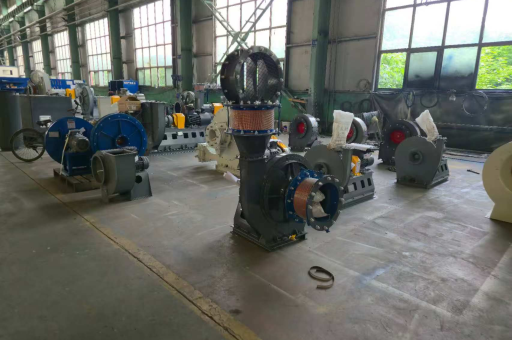
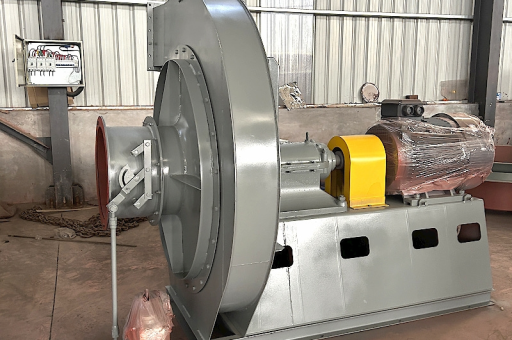
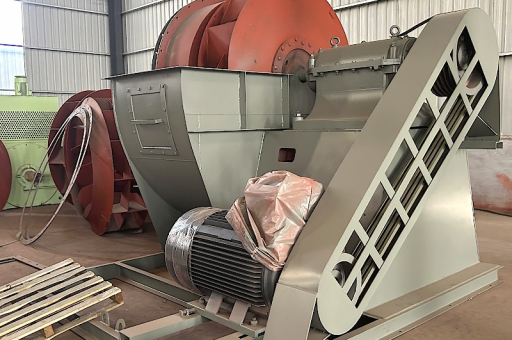
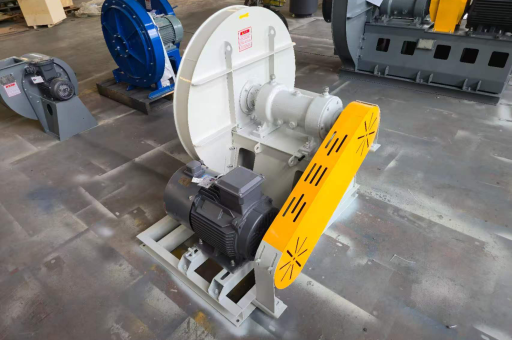
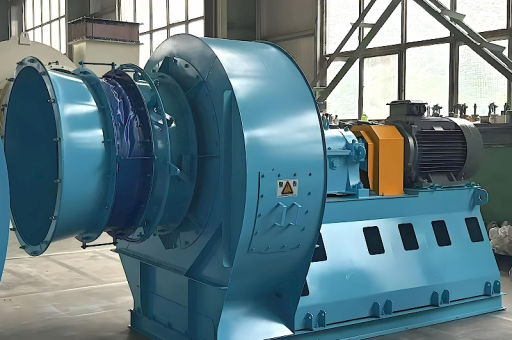
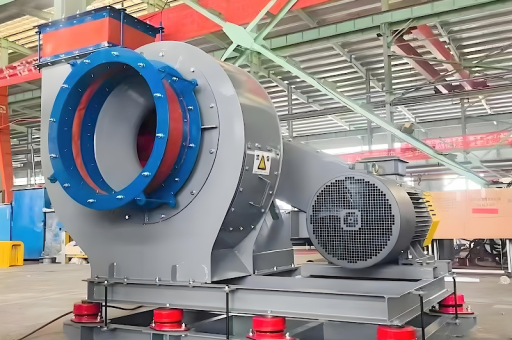
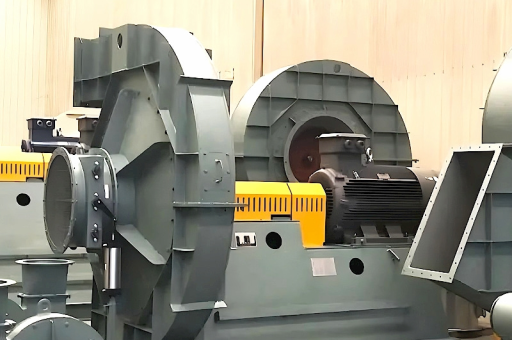
The 5kW Flue Gas Recirculation Fan is a medium-power, industrial-grade fan designed to handle high-temperature, corrosive, and particulate-laden exhaust gases. Typical specifications include:
- Power Rating: 18.5 kW (approximately 25 HP), suitable for systems with moderate flue gas flow (e.g., 5,000–15,000 m³/h, depending on pressure drop).
- Material of Construction: 316L stainless steel or Hastelloy C-276 to resist corrosion from acidic condensates (NOx, SOx, water vapor).
- Operating Temperature: 150–250°C (with high-temperature seals and cooling fins).
- Fan Type: Centrifugal (radial or backward-curved) to withstand high static pressure (2,000–6,000 Pa).
- Drive System: Direct drive or V-belt driven, often paired with a Variable Frequency Drive (VFD) for precise modulation.
Note: Always consult manufacturer datasheets (e.g., fan) for site-specific sizing.
How the 18.5kW FGR Fan Works: A Step-by-Step Process
The operational principle of an FGR system is straightforward yet thermodynamically sophisticated:
- Exhaust Gas Extraction: After combustion, hot flue gases exit the furnace or boiler. A portion (typically 10–30%) is diverted via a duct to the inlet of the 5kW FGR Fan.
- Pressure Boost: The fan imparts kinetic energy to the gas, raising its pressure to overcome the resistance of the recirculation ductwork and mixing chamber.
- Gas Cooling & Mixing: The recirculated gas is then injected into the combustion air stream (either before or after the burner). This dilutes the oxygen content in the flame zone, lowering peak flame temperature.
- NOx Suppression: Reduced flame temperature (below ~1,500°C) decreases thermal NOx formation—the primary mechanism in gas-fired systems.
- Final Discharge: The clean exhaust (with lower NOx) exits via the stack. The fan repeats this cycle continuously.
Key Benefits: Combustion Control, NOx Reduction, and Thermal Efficiency
- NOx Reduction: FGR alone can achieve 50–80% reduction in NOx emissions (e.g., from 80 ppm to 20 ppm at 3% O₂) without post-combustion SCR (Selective Catalytic Reduction).
- Improved Heat Transfer: Lower flame temperature often leads to more uniform heat flux, reducing thermal stress on heat exchanger tubes.
- Energy Savings: The 5kW motor (at 90% efficiency) draws approximately 16.6 kW in operation. By allowing lower excess O₂, FGR can reduce overall fuel consumption by 1–3% in retrofit applications.
- Compliance: Helps operators meet local limits (e.g., Southern California’s Rule 1146 for boilers; ≤ 30 ppm NOx).
Common Applications and Industry Use Cases
- Industrial Boilers: Water-tube and fire-tube boilers rated from 5–20 MW thermal input.
- Process Heaters: Used in refineries, petrochemical plants, and chemical processing.
- Thermal Oxidizers: Regenerative Thermal Oxidizers (RTOs) where stable flame is needed.
- Glass & Cement Kilns: Where direct-fired burners require strict NOx control.
Case example: A 15 MW gas boiler in a chemical plant replaced its standard combustion air fan with the 5kW FGR Fan and within 6 months reduced NOx from 120 ppm to 25 ppm, saving 1.2% fuel annually.
Frequently Asked Questions (FAQ)
Q1: What is the lifespan of an 18.5kW FGR fan?
A: With proper maintenance (bearing lubrication, vibration monitoring, and impeller cleaning for ash build-up), a well-designed fan (fan.com) can last 10–15 years in continuous service.
Q2: Can the 18.5kW fan be used for ambient air recirculation?
A: No. FGR fans are specifically designed for high-temperature, corrosive gas. Using them for ambient air would cause overspeed and mismatch in pressure curves.
Q3: How do I calculate the required size?
A: Use the formula: Power (kW) = (Flow (m³/s) × Pressure (Pa)) / (1000 × Fan Efficiency). For an 18.5kW fan, typical flow is ~3–8 m³/s at 2.5–5 kPa.
Q4: Is VFD control necessary?
A: Highly recommended. VFD modulates fan speed to match boiler load, improving turndown ratio (e.g., 4:1) and reducing energy waste during low-fire operation.
Q5: What safety features are essential?
A: High-temperature shut-off (≥300°C), condensate drain ports, explosion-proof motor (if flammable gases exist), and pressure relief dampers.
Selection Criteria and Maintenance Best Practices
When selecting an 5kW Flue Gas Recirculation Fan, consider:
- Gas composition: Ensure material compatibility (e.g., 316L for wet FGR, Hastelloy for high-sulfur fuels).
- Duct layout: Minimize bends and use expansion joints to reduce stress on fan casing.
- Motor type: IE4 or NEMA Premium for energy efficiency; TEFC (Totally Enclosed Fan Cooled) for dusty environments.
- Warranty & after-sales support: Look for OEMs offering at least 2-year warranty and on-site balancing.
Maintenance Checklist:
- Monthly: Check bearing temperature (≤85°C), listen for unusual noise, inspect shaft seal for leaks.
- Quarterly: Clean impeller blades (use soft brush to avoid imbalance); verify VFD output current matches motor rating.
- Annually: Perform vibration analysis (ISO 10816-3), re-balance rotor if displacement > 4.5 mm/s, and replace bearings as per schedule.
Conclusion: Future Trends in FGR Fan Technology
As environmental regulations tighten (e.g., global push toward near-zero NOx), the 5kW Flue Gas Recirculation Fan will evolve with smarter control systems, improved corrosion resistance (e.g., ceramic coatings), and integration with heat recovery units. Industrial operators who invest in best-in-class fan technology today will not only achieve cleaner combustion but also gain a competitive edge through reduced energy costs. Whether retrofitting an existing boiler or designing a new process line, this fan remains an indispensable tool for balancing performance and sustainability.