This article's table of contents introduction:
- Introduction: What Is a 160kW Stainless Steel High-Pressure Blower?
- Key Technical Specifications and Design Features
- Why Stainless Steel Matters in High-Pressure Blower Applications
- Critical Application Industries and Use Cases
- Performance Advantages Over Standard Blowers
- Installation, Maintenance, and Safety Best Practices
- Frequently Asked Questions (FAQ)
- Conclusion: Is This the Right Blower for Your Operation?
Article Title:
Maximizing Industrial Efficiency with the 160kW Stainless Steel High-Pressure Blower: A Comprehensive Technical Guide
Table of Contents (Directory Guide)
- Introduction: What Is a 160kW Stainless Steel High-Pressure Blower?
- Key Technical Specifications and Design Features
- Why Stainless Steel Matters in High-Pressure Blower Applications
- Critical Application Industries and Use Cases
- Performance Advantages Over Standard Blowers
- Installation, Maintenance, and Safety Best Practices
- Frequently Asked Questions (FAQ)
- Conclusion: Is This the Right Blower for Your Operation?
Introduction: What Is a 160kW Stainless Steel High-Pressure Blower?
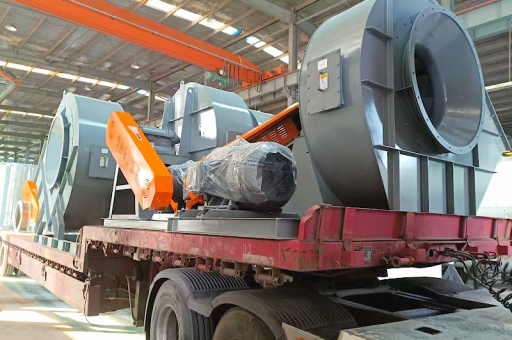
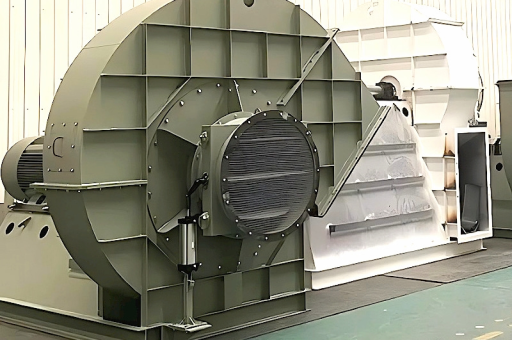
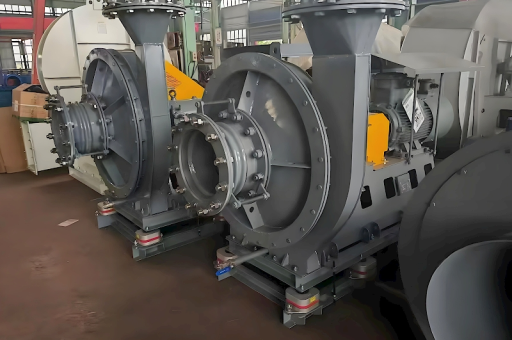
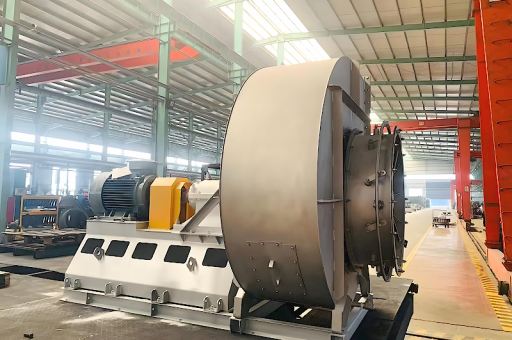
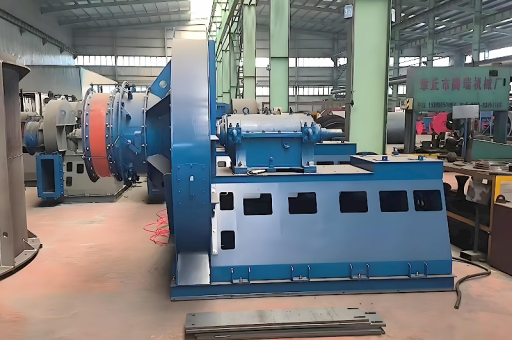
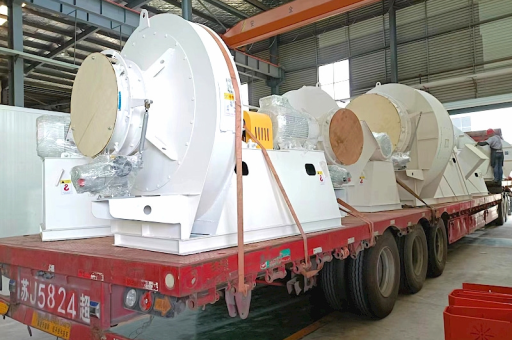
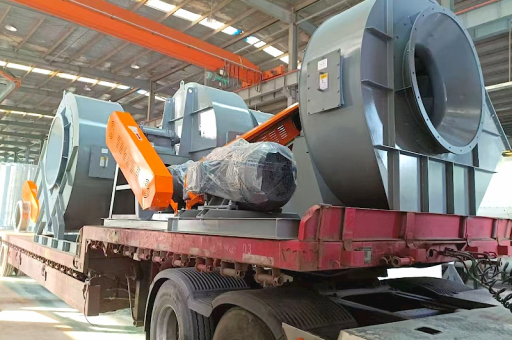
A 160kW stainless steel high-pressure blower is a heavy-duty industrial airmoving device designed to generate sustained, high-pressure airflow for demanding processes. Unlike standard centrifugal blowers, which typically operate at lower pressure differentials, this unit is engineered to deliver up to 160 kW of motor power—equivalent to approximately 215 horsepower—while withstanding corrosive, moist, or high-temperature environments thanks to its corrosion-resistant stainless steel construction.
In today's competitive landscape, industries such as wastewater treatment, pneumatic conveying, chemical processing, and power generation rely on these robust blowers to maintain continuous operation, reduce downtime, and meet strict environmental regulations. The combination of high power and stainless steel durability makes this equipment a premium choice for long-term capital investment.
Key takeaway: This is not a general-purpose fan; it is a specialized machine built for reliability under extreme conditions.
Key Technical Specifications and Design Features
Understanding the technical backbone of a 160kW stainless steel high-pressure blower helps engineers and procurement specialists evaluate its suitability for specific tasks. Below are the core specifications commonly found in top-tier models:
- Motor Power: 160 kW (215 HP), typically driven by a high-efficiency IE3 or IE4 AC induction motor.
- Pressure Range: Up to 80–150 kPa (0.8–1.5 bar), depending on impeller design and speed.
- Airflow Capacity: Ranges from 80 to 200 m³/min at operating pressure.
- Material of Construction: Entire blower casing, impeller, and shaft are made from duplex stainless steel (e.g., SS316L or SAF 2205) for maximum corrosion resistance.
- Impeller Type: Backward-curved or radial blades machined to precise tolerances for reduced vibration and noise.
- Sealing Systems: Labyrinth seals or mechanical seals to prevent gas leakage in hazardous environments.
- Noise Level: Typically around 85–95 dB(A) at 1 meter, requiring acoustic enclosures for safe operation.
- Cooling Method: Air-cooled via integrated fins or external cooling fan, with optional water cooling for extreme temperatures.
Design innovations such as adjustable inlet guide vanes (IGVs) and variable frequency drives (VFDs) allow precise control over pressure and flow, reducing energy consumption by up to 30% compared to throttling methods.
Why Stainless Steel Matters in High-Pressure Blower Applications
Manufacturers opt for stainless steel over carbon steel or cast iron for several compelling reasons:
A. Corrosion Resistance
Wastewater treatment plants, chemical factories, and offshore installations expose blowers to hydrogen sulfide (H₂S), chlorine, acidic gases, and salt-laden air. Standard carbon steel can rust within months. Stainless steel—especially grades 316L and 2205—forms a passive chromium oxide layer that resists pitting, crevice corrosion, and stress corrosion cracking.
B. High-Temperature Tolerance
Stainless steel retains mechanical strength at elevated temperatures (up to 600°C for certain alloys). This is critical for hot gas handling in cement plants, steel mills, or dryers.
C. Hygienic Compliance
In food processing, pharmaceutical, and clean-room applications, stainless steel's non-porous surface prevents bacterial growth and meets FDA/EU sanitary standards. Smooth welds and easy-clean designs reduce contamination risk.
D. Longevity and Total Cost of Ownership
While initial purchase cost is higher (typically 30–50% more than carbon steel), the extended service life and reduced maintenance frequency often yield lower total cost over 10–15 years.
Q: Can I use a painted carbon steel blower in a corrosive environment?
A: Not recommended. Paint chips and scratches expose bare metal, leading to rapid failure. Stainless steel provides inherent protection without relying on coatings.
Critical Application Industries and Use Cases
The 160kW stainless steel high-pressure blower serves as the heart of many industrial systems. Below are the primary sectors where this equipment is indispensable:
| Industry | Application | Specific Benefit |
|---|---|---|
| Wastewater Treatment | Aeration in activated sludge basins | Continuous oxygen supply; SS grade resists H₂S corrosion |
| Pneumatic Conveying | Transport of cement, fly ash, plastic pellets | High pressure overcomes friction in long pipelines; SS prevents erosion |
| Chemical Processing | Vapor recovery, solvent evacuation, reactor venting | Leak-tight design protects personnel and environment |
| Power Generation | Boiler forced-draft or flue gas desulfurization (FGD) | Handles SO₂, NOx, and high temperatures |
| Mining & Minerals | Ventilation in underground shafts or ore drying | Durable against abrasive dust and moisture |
| Pharmaceutical & Food | Clean-room pressurization, tablet coating, spray drying | Meets GMP and sanitary 3-A standards |
Case Example: A German chemical plant replaced three carbon steel blowers with a single 160kW stainless steel unit for H₂S gas evacuation. The result: a 40% reduction in energy consumption, zero corrosion failures after three years, and lower noise footprint.
Performance Advantages Over Standard Blowers
Why choose a 160kW stainless steel high-pressure blower instead of a standard fan or compressor? The differences are substantial:
- Higher Pressure Ratio: Standard fans deliver up to 10–20 kPa; this blower can handle 80–150 kPa, enabling it to push air through dense filter bags, long piping networks, or deep water columns.
- Energy Efficiency: Advanced aerodynamics and VFD compatibility reduce specific power consumption (kW per m³/min). For example, a 160kW blower operating at 80% capacity may consume only 128 kW, while a throttled standard unit might draw 150+ kW for the same flow.
- Reduced Footprint: One 160kW stainless steel blower can often replace multiple smaller units, saving floor space and simplifying ductwork.
- Lower Maintenance Costs: Stainless steel housings resist scaling and pitting, plus roller bearings sealed for life reduce lubrication cycles. Average maintenance interval extends to 8,000–12,000 operating hours.
- Environmental Compliance: Leak-tight seals prevent fugitive emissions of volatile organic compounds (VOCs) and hazardous gases.
Performance Comparison Table:
| Parameter | Standard Fan (50 kW) | 160kW Stainless Steel Blower |
|---|---|---|
| Max Pressure | 15 kPa | 120 kPa |
| Flow at Max Pressure | 400 m³/min | 150 m³/min |
| Material | Painted steel | SS316L/2205 |
| Corrosion Life | 1–2 years | 10+ years |
| Energy Cost per Year (est.) | $45,000 | $38,000 (with VFD) |
Installation, Maintenance, and Safety Best Practices
To maximize the lifespan and performance of your 160kW stainless steel high-pressure blower, follow these guidelines:
Installation:
- Foundation: Use a vibration-absorbing concrete base with anchor bolts. Unidirectional leveling (±0.05 mm) is crucial.
- Piping: Install flexible connectors to isolate vibration; avoid sharp bends within 5 pipe diameters of the blower inlet/outlet.
- Electrical: Connect via a VFD with harmonic filtering. Use cable glands rated for the ambient temperature (ambient may exceed 50°C in enclosed spaces).
- Ventilation: Ensure the motor cooling fan has unobstructed airflow; do not enclose the blower in a tight box without forced air circulation.
Maintenance Schedule:
- Daily: Check oil level (if oil-lubricated bearings), listen for unusual noise, monitor pressure gauge.
- Monthly: Inspect seal leakage; clean inlet filter screens.
- Quarterly: Measure vibration velocity (aim for <4.5 mm/s RMS); replace filter cartridges.
- Annually: Perform oil analysis; inspect impeller for wear or deposits; test safety shutdowns.
Safety:
- Lockout/Tagout: Always de-energize and lock the motor starter before opening the blower casing.
- Pressure Relief: Install a relief valve set at 110% of maximum working pressure to prevent over-pressurization.
- Noise Protection: Provide earplugs or acoustic enclosures for personnel working near the blower (≥85 dB(A) threshold).
Q: How often should I replace the bearings on a 160kW stainless steel blower?
A: With proper lubrication and sealed bearing design, typical service life is 20,000–40,000 hours. Replace earlier if vibration readings increase by more than 2.5 mm/s above baseline.
Frequently Asked Questions (FAQ)
Q1: What is the difference between a high-pressure blower and a compressor?
A: High-pressure blowers (like this 160kW unit) operate at pressure ratios up to 2:1 or 3:1 (absolute discharge up to ~3 bar). Compressors exceed 3 bar and require intercooling, oil lubrication, and multistage designs. Blowers are simpler, cheaper, and more efficient for low-to-moderate pressure needs.
Q2: Can a 160kW stainless steel blower handle explosive gases (ATEX)?
A: Yes, if the unit is certified for Zone 1 or Zone 2 explosive environments. Look for ATEX or IECEx certification on the motor, seals, and casing. Stainless steel is inherently spark-resistant, but additional grounding and non-sparking impeller materials (e.g., aluminum-bronze) may be needed.
Q3: How do I calculate the right blower size for my application?
A: Use the formula: Required Power (kW) = (Flow × Pressure) / (Efficiency × 1000). For example: 120 m³/min × 100 kPa = 12,000. Divide by 0.77 (typical efficiency) = 15,584 / 1000 = 15.6 kW. For 160 kW, the flow-pressure combination would be much higher—consult your system curve and supplier.
Q4: Is stainless steel compatible with food-grade applications?
A: Yes, but ensure the material is SS304 or SS316L with a surface finish of Ra ≤ 0.8 μm. Avoid duplex grades like 2205 for direct food contact unless certified.
Q5: What causes a stainless steel blower to overheat?
A: Common causes include blocked inlet filter, excessive discharge pressure, high ambient temperature, or incorrect voltage/phase. Check pressure differential, clean filters, and verify motor current rating.
Q6: Can I retrofit existing ductwork with a 160kW stainless steel blower?
A: Usually yes, but you must verify that the ductwork diameter and structural supports can handle the higher pressure and flow. Also, ensure flexible connections are pressure-rated for the new blower's output.
Conclusion: Is This the Right Blower for Your Operation?
The 160kW stainless steel high-pressure blower represents the intersection of power, durability, and precision engineering. It is the go-to solution when standard fans fail due to corrosion, temperature extremes, or pressure limitations. Whether you’re upgrading a wastewater aeration system, scaling up chemical production, or designing a new pneumatic conveying line, this blower delivers reliable performance that reduces operational risk.
However, it is not a one-size-fits-all. Evaluate your specific pressure, flow, temperature, and material requirements. If your application is mild—clean, dry air at low pressure—a less expensive standard blower may suffice. But for harsh environments where downtime costs thousands per hour, the stainless steel 160kW option is a strategic investment.
Remember to work with a certified fan supplier (domain: fan) to ensure proper sizing, certification, and aftermarket support. With the right selection and maintenance, this blower can operate for decades, making it a cornerstone of industrial productivity.
End of Article.