This article's table of contents introduction:
- Introduction: What Is a 5.5KW 304 Stainless Steel High-Temperature, High-Pressure Induced Draft Fan?
- Key Technical Specifications and Materials
- Why 304 Stainless Steel? Corrosion Resistance and Thermal Performance
- High-Temperature and High-Pressure Operating Principles
- Industrial Applications and Use Cases
- Performance Comparison: Centrifugal vs. Axial Induced Draft Fans
- Installation, Maintenance, and Safety Considerations
- Frequently Asked Questions (FAQ)
- Conclusion: Why This Fan Is a Critical Asset in Harsh Environments
The Ultimate Guide to the 5.5KW 304 Stainless Steel High-Temperature, High-Pressure Induced Draft Fan: Design, Applications, and Performance Insights**
Table of Contents
- Introduction: What Is a 5.5KW 304 Stainless Steel High-Temperature, High-Pressure Induced Draft Fan?
- Key Technical Specifications and Materials
- Why 304 Stainless Steel? Corrosion Resistance and Thermal Performance
- High-Temperature and High-Pressure Operating Principles
- Industrial Applications and Use Cases
- Performance Comparison: Centrifugal vs. Axial Induced Draft Fans
- Installation, Maintenance, and Safety Considerations
- Frequently Asked Questions (FAQ)
- Conclusion: Why This Fan Is a Critical Asset in Harsh Environments
Introduction: What Is a 5.5KW 304 Stainless Steel High-Temperature, High-Pressure Induced Draft Fan?
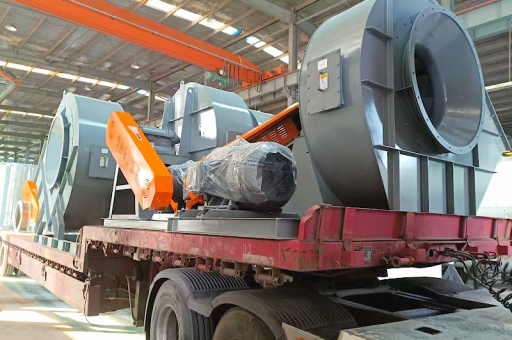
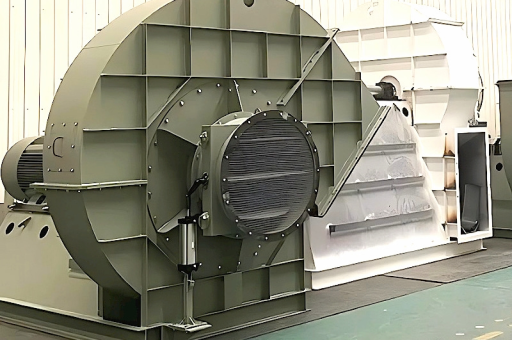
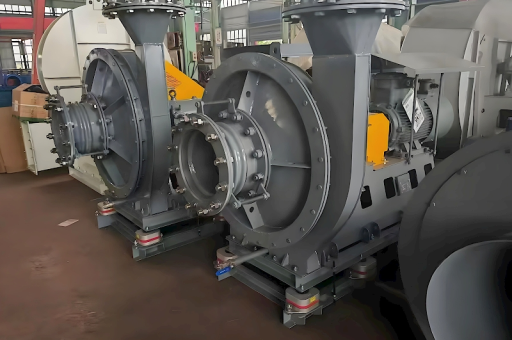
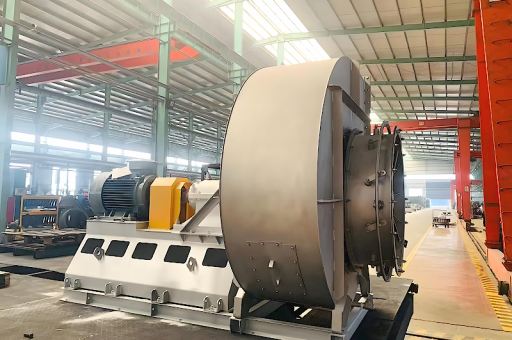
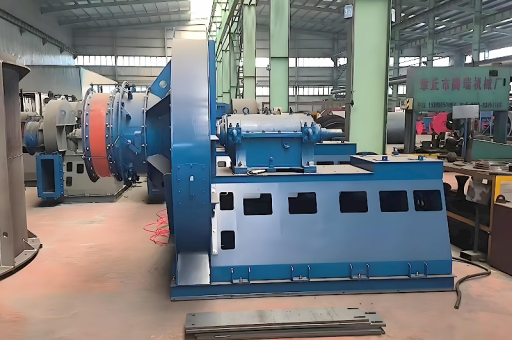
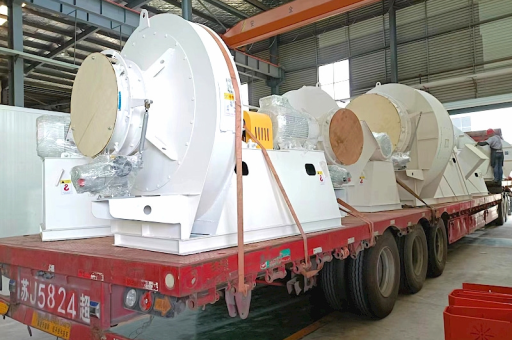
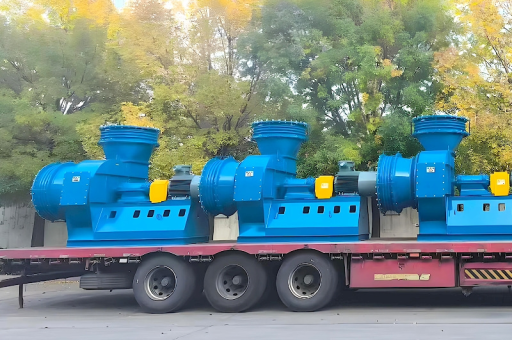
An induced draft fan (ID fan) is a mechanical device used to create negative pressure in a system, pulling gases, fumes, or air through ducts, boilers, or exhaust systems. The 5KW 304 Stainless Steel High-Temperature, High-Pressure Induced Draft Fan is a specialized variant designed for extreme conditions. It combines a powerful 5.5 kW motor with a fan body constructed from 304 stainless steel, allowing it to withstand continuous exposure to high temperatures (typically up to 400°C or higher, depending on design) and high static pressures (often exceeding 2000 Pa).
This fan is commonly deployed in industrial processes such as cement kilns, chemical reactors, power plant boilers, and metal smelting operations, where corrosive, hot, and particulate-laden gases must be exhausted safely and efficiently. Its robust construction ensures long service life even in the most demanding thermal and mechanical environments.
Key Technical Specifications and Materials
Understanding the technical backbone of this fan is essential for engineers and procurement professionals. Below are the core specifications:
| Parameter | Typical Value |
|---|---|
| Motor Power | 5 kW (7.5 HP) |
| Voltage | 380V–460V, 3-phase, 50/60 Hz |
| Impeller Material | 304 Stainless Steel |
| Housing Material | 304 Stainless Steel |
| Maximum Operating Temperature | 350°C – 450°C (with thermal insulation) |
| Maximum Static Pressure | 2500 – 4000 Pa (depending on impeller design) |
| Airflow Capacity | 5000 – 15000 m³/h (varies by model) |
| Bearing Type | High-temperature grease-lubricated or cooling fan-equipped |
| Drive Type | Direct drive or belt drive |
The fan’s impeller is typically backward-curved or radial, optimized for high-pressure and high-temperature applications. The housing is reinforced with expansion joints to accommodate thermal stress.
Why 304 Stainless Steel? Corrosion Resistance and Thermal Performance
The use of 304 stainless steel is a deliberate engineering choice. This austenitic alloy contains 18% chromium and 8% nickel, offering:
- Oxidation resistance up to 870°C in intermittent service and 925°C in continuous service.
- Excellent corrosion resistance against acidic flue gases, sulfur compounds, and moisture.
- Structural integrity under thermal cycling, reducing the risk of cracking or deformation.
Compared to carbon steel, 304 stainless steel extends the fan’s lifespan by 3 to 5 times in corrosive environments. While 316L offers even better chloride resistance, 304 provides the best balance of cost and performance for most industrial exhaust applications.
High-Temperature and High-Pressure Operating Principles
An induced draft fan operates by creating a pressure differential. In high-temperature systems, the fan must handle:
- Thermal expansion: The fan shaft and housing are designed with clearance allowances to prevent seizure.
- Heat transfer to bearings: Cooling fins or separate cooling fans are often integrated to keep bearing temperatures below 90°C.
- Gas density changes: Hot gases are less dense, so the fan must move a higher volumetric flow to achieve the required mass flow rate.
The high-pressure design means the fan can overcome resistance from long duct runs, dust collectors, and scrubbers. The impeller tip speed is carefully calculated to avoid resonance and fatigue.
Industrial Applications and Use Cases
The 5.5KW 304 Stainless Steel High-Temperature, High-Pressure Induced Draft Fan is widely used in:
- Cement plants: Exhausting hot gases from rotary kilns and preheaters.
- Chemical processing: Removing corrosive vapors from reactors and distillation columns.
- Waste-to-energy facilities: Drawing combustion gases through heat recovery systems.
- Metallurgy: Venting fumes from smelting furnaces and electric arc furnaces.
- Power generation: Boiler induced draft systems for coal, biomass, or oil-fired boilers.
- Food processing: Exhausting high-temperature oven gases in baking and drying lines.
In each case, the fan must operate reliably for thousands of hours with minimal downtime.
Performance Comparison: Centrifugal vs. Axial Induced Draft Fans
When selecting an induced draft fan, engineers often choose between centrifugal and axial designs. The 5.5KW model is typically centrifugal:
| Feature | Centrifugal Fan | Axial Fan |
|---|---|---|
| Pressure capability | High (up to 4000 Pa) | Low to medium (under 1000 Pa) |
| Temperature tolerance | Excellent with materials like 304 SS | Moderate |
| Efficiency at high pressure | Superior | Poor |
| Noise level | Moderate | Higher at comparable airflow |
| Suitability for particulate-laden gas | Good (with wear-resistant coatings) | Poor |
For high-temperature, high-pressure applications, the centrifugal design with a 304 stainless steel impeller is the clear winner.
Installation, Maintenance, and Safety Considerations
Proper installation and maintenance are critical for maximizing fan life:
- Foundation: The fan must be mounted on a rigid, vibration-absorbing base.
- Duct connections: Flexible connectors should be used to accommodate thermal expansion.
- Lubrication: High-temperature grease or synthetic oil must be used for bearings.
- Inspection schedule: Monthly checks of impeller balance, bearing temperature, and belt tension (if belt-driven).
- Safety: Install thermal overload protection and emergency shutoff. Ensure proper grounding to prevent static buildup.
Regular cleaning of the impeller can prevent imbalance caused by dust accumulation.
Frequently Asked Questions (FAQ)
Q1: Can the 5.5KW 304 stainless steel induced draft fan handle flue gases containing sulfur?
Yes. 304 stainless steel offers good resistance to sulfur compounds at moderate concentrations. For extremely acidic conditions (e.g., wet flue gas desulfurization), consider 316L stainless steel.
Q2: What is the maximum continuous operating temperature?
Typically 400°C, but some models with thermal barriers and cooling systems can operate up to 450°C.
Q3: Is this fan suitable for explosion-proof environments?
Not in its standard form. For hazardous locations (e.g., coal gas or solvent vapors), look for an ATEX or IECEx certified variant with spark-resistant impellers.
Q4: How does the 5.5 kW power rating affect energy consumption?
At full load, the fan consumes approximately 5.5 kWh per hour. Using a variable frequency drive (VFD) can reduce energy usage by 30–50% in variable flow applications.
Q5: Can I use this fan for fresh air supply instead of exhaust?
Yes, but it is optimized for exhaust. For supply, a forced draft fan with forward-curved blades is often more efficient.
Q6: What is the typical lifespan of this fan?
With proper maintenance, 8–12 years in continuous industrial service. The 304 stainless steel construction significantly reduces corrosion-related failures.
Conclusion: Why This Fan Is a Critical Asset in Harsh Environments
The 5KW 304 Stainless Steel High-Temperature, High-Pressure Induced Draft Fan represents a specialized solution for industries where standard fans fail. Its combination of corrosion-resistant materials, robust power, and thermal endurance makes it indispensable for exhausting hot, aggressive gases in cement, chemical, power, and metallurgical plants.
When selecting a fan for your application, consider not only the initial cost but also the total cost of ownership, including maintenance, downtime, and energy consumption. This fan, while a premium investment, delivers exceptional reliability and performance under extreme conditions.
For further guidance, consult with a reputable industrial fan manufacturer to match the exact specification to your system’s pressure, temperature, and flow requirements.