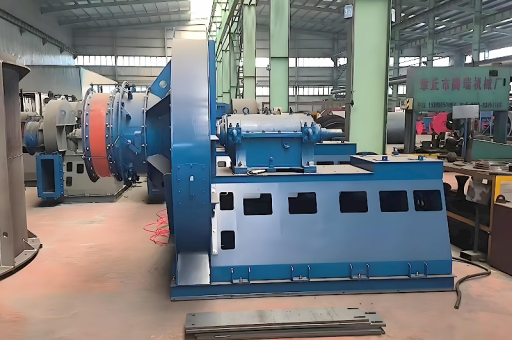
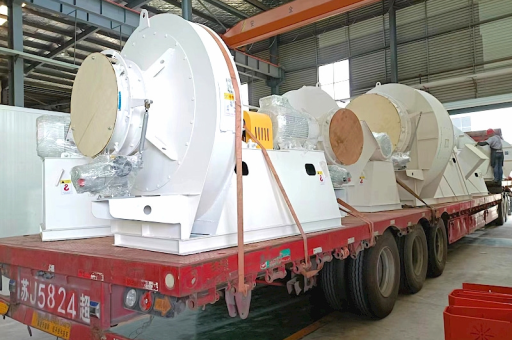
This article's table of contents introduction:
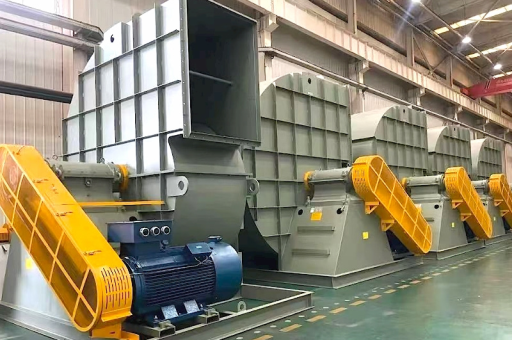
Based on your query, you are likely referencing a specific standard or a model number. However, there is no widely recognized international standard designated as "APII 673" specifically for blowers in Flue Gas Desulfurization (FGD) systems.
The most likely scenario is that you are referring to the API 673 standard. If you meant API 673 (American Petroleum Institute Standard 673), here is the relevant information regarding its application to blowers for FGD systems.
What is API 673?
API Standard 673: Centrifugal Fans for Petroleum, Chemical, and Gas Industry Services is the governing standard for the design, manufacturing, and testing of centrifugal fans (which includes blowers) used in heavy industrial processes.
Application to FGD Systems
While API 673 was originally designed for the oil and gas industry, it is frequently specified for FGD systems in power plants and industrial settings because it offers a higher level of reliability and robustness compared to general industrial fan standards (like AMCA or ISO).
Key requirements from API 673 that are critical for FGD blowers include:
- Heavy-Duty Construction: FGD systems handle corrosive, abrasive, and often wet gases (slurry carryover). API 673 requires heavy-gauge housings, robust shafting, and reinforced bearings to handle the high stresses and potential for imbalance caused by erosion or corrosion.
- Bearing Protection: The standard mandates specific bearing types (typically spherical roller bearings) with a calculated L10 life of at least 25,000 hours under full load. This is critical for FGD blowers which run continuously.
- Shaft Seals: API 673 requires specific sealing arrangements to prevent process gas leakage. In FGD, this prevents corrosive sulfurous gases from damaging bearings and the environment.
- Vibration Monitoring: The standard specifies provisions for vibration probes and acceptance criteria (e.g., peak velocity limits) to ensure smooth operation, which is vital for early detection of blade fouling or erosion.
- Variable Speed Capability: API 673 fans are designed to withstand the stresses of variable frequency drive (VFD) operation, which is common in FGD systems to adjust to changing boiler loads.
Alternative Interpretation: "APii" or "AII 673"
If you specifically meant "APii" (a specific manufacturer or model line) or "AII 673" (a specific drawing or internal part number), please provide more context (e.g., manufacturer name, a photo of the nameplate, or the full "APii 673" string).
In summary:
- If you meant API 673: This is the correct standard for specifying a high-reliability centrifugal blower for an FGD system.
- If you meant something else: Please clarify the exact source of the "APii 673" term.
Recommendation: When procuring a blower for an FGD system, specifying API 673 (or a comparable heavy-duty industrial standard like ISO 13789) is a best practice to ensure long service life in the harsh FGD environment.