
This article's table of contents introduction:
- Introduction: Understanding the Core Components
- The Role of Stainless Steel in High-Temperature Environments
- Coke Oven and Furnace Applications: Why Centrifugal Fans Are Critical
- Key Technical Specifications of an Industrial High Temp Blower
- How to Choose the Right Fan for Your Industrial Process
- Maintenance and Safety Tips for Longevity
- Frequently Asked Questions (FAQ)
- Conclusion: Future Trends in High-Temp Blower Technology
** The Ultimate Guide to Furnace Coke Oven Stainless Steel Centrifugal Fan: Industrial High Temp Blower Performance and Applications
Table of Contents
- Introduction: Understanding the Core Components
- The Role of Stainless Steel in High-Temperature Environments
- Coke Oven and Furnace Applications: Why Centrifugal Fans Are Critical
- Key Technical Specifications of an Industrial High Temp Blower
- How to Choose the Right Fan for Your Industrial Process
- Maintenance and Safety Tips for Longevity
- Frequently Asked Questions (FAQ)
- Conclusion: Future Trends in High-Temp Blower Technology
Introduction: Understanding the Core Components
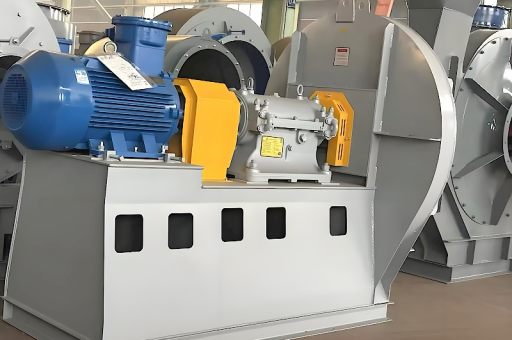
In heavy industries such as steel manufacturing, coking plants, and power generation, the ability to move high-temperature gases reliably is non-negotiable. The Furnace Coke Oven Stainless Steel Centrifugal Fan—often referred to as an Industrial High Temp Blower—is the workhorse that ensures combustion air supply, flue gas extraction, and process ventilation. Unlike standard fans, these units are engineered to withstand extreme thermal stress, corrosive byproducts, and continuous operation. This article dives deep into the design, functionality, and selection criteria of these specialized blowers, drawing on real-world engineering insights and industry best practices.
The Role of Stainless Steel in High-Temperature Environments
Why stainless steel? In a coke oven or furnace setting, temperatures can exceed 800°C (1472°F). Standard carbon steel loses structural integrity rapidly under such conditions, leading to warping, cracking, or catastrophic failure. Stainless steel alloys—particularly grades like 310S, 316L, or 321—offer superior oxidation resistance and creep strength. For instance, grade 310S can handle intermittent temperatures up to 1035°C, making it ideal for direct exposure to furnace flue gases. Additionally, coke oven atmospheres contain sulfur, ammonia, and tar vapors; stainless steel’s chromium oxide layer resists chemical attack far better than coated alternatives. This material choice directly impacts the fan’s lifespan, reducing downtime and replacement costs in wind turbine balancing applications or steel mill ventilation systems.
Coke Oven and Furnace Applications: Why Centrifugal Fans Are Critical
Centrifugal fans, unlike axial fans, generate high static pressure—essential for overcoming the resistance of ductwork, heat exchangers, and scrubbers. In a coke oven battery, these fans extract volatile gases during the coking process, directing them to byproduct recovery plants. In furnace applications, they provide combustion air or act as induced draft (ID) fans. The industrial high temp blower design typically includes a rugged housing, backward-curved impellers (to handle particulate-laden gas), and external bearing cooling systems. Without such fans, the entire thermal process would stall, risking deadly gas buildup. For renewable energy systems like wind turbine cooling or biomass boilers, these fans also regulate temperatures in enclosed environments.
Key Technical Specifications of an Industrial High Temp Blower
When evaluating a stainless steel centrifugal fan for high-temp service, consider these parameters:
- Operating Temperature: Look for fans rated for continuous service at 500°C to 1000°C. Insulation jackets and cooling fins on the shaft are common.
- Static Pressure: Usually between 2 kPa to 15 kPa, depending on system resistance.
- Flow Rate: Measured in cubic meters per hour (m³/h); coke oven applications may require up to 500,000 m³/h.
- Drive System: Direct drive (for vibration-sensitive setups) or belt drive (for speed flexibility). Bearings must be high-temperature grease or oil-lubricated, often with water cooling.
- Impeller Design: Backward-inclined or radial-tip blades to minimize dust accumulation.
- Material Thickness: Housing should be minimum 6 mm for thermal rigidity.
How to Choose the Right Fan for Your Industrial Process
Selection is not one-size-fits-all. First, analyze the gas composition: if the gas contains sticky tar (common in coke oven off-gases), a cleanable impeller with a large gap between blades is preferable. If the fan is for a wind turbine nacelle cooling system, lightweight stainless steel with low inertia becomes critical for rapid response. Next, evaluate the installation environment: indoor vs. outdoor, ambient temperature, and altitude affect motor sizing. Always consult the fan’s pressure-volume curve at operating temperature, as air density decreases with heat, requiring higher speed. Finally, request a full material certification (EN 10204 3.1) for the stainless steel components to confirm traceability.
Maintenance and Safety Tips for Longevity
High-temp fans face unique failure modes: thermal expansion misalignment, bearing seizure, and impeller imbalance. To mitigate these:
- Pre-start checks: Verify that the rotor turns freely and that expansion joints are not binding.
- Lubrication: Use synthetic high-temp grease or oil with a flash point above 220°C. For external bearings, install temperature sensors with alarm thresholds.
- Vibration monitoring: Implement ISO 10816-3 standards; imbalance often indicates dust buildup or blade wear.
- Periodic cleaning: For coke oven fans, steam or compressed air cleaning schedules prevent tar glaze.
- Emergency shutdown: Ensure the blower has a bypass or variable frequency drive (VFD) to avoid thermal shock during cold starts.
Frequently Asked Questions (FAQ)
Q: Can a standard centrifugal fan be used in a coke oven?
A: No. Standard fans lack thermal expansion accommodation, corrosion resistance, and bearing cooling. Using one risks fire or explosion.
Q: What is the typical lifespan of an industrial high temp blower?
A: With proper maintenance, 8 to 12 years. Factors include duty cycle, gas cleanliness, and material grade.
Q: Does the fan need to be explosion-proof for coke oven gas?
A: Absolutely. Coke oven gas contains hydrogen and methane. The fan motor and housing should meet ATEX or NEC Class 1, Div 2 standards.
Q: How does a high-temp blower differ from a wind turbine cooling fan?
A: While both require stainless steel, wind turbine fans prioritize lightweight, aerodynamic efficiency, and low noise, whereas furnace fans emphasize pressure capability and thermal endurance.
Q: What is the maximum temperature for a stainless steel centrifugal fan without cooling?
A: Typically 400°C if bearings are air-cooled. Beyond that, water-cooled shafts or separate cooling systems are mandatory.
Conclusion: Future Trends in High-Temp Blower Technology
The evolution of the furnace coke oven stainless steel centrifugal fan is closely tied to stricter emission regulations and energy efficiency. We are seeing adoption of ceramic-coated impellers to extend life in corrosive gases, and smart sensors integrated with IIoT platforms for predictive maintenance. For wind turbine applications, these fans are becoming quieter and more compact. Meanwhile, additive manufacturing (3D printing) is enabling complex blade geometries that reduce turbulence and power consumption. Regardless of the application—be it a steel mill, a chemical plant, or a wind turbine cooling system—investing in a properly engineered industrial high temp blower is not an expense but a strategic asset for continuous, safe operation. Always partner with manufacturers who test their fans at real-world conditions and provide comprehensive aftermarket support.





