This article's table of contents introduction:
- What is it?
- Key Characteristics of a 7.5kW Sweeper Fan
- Types of Fans (Impeller Design)
- Typical Applications for a 7.5kW Sweeper Fan
- Why 7.5kW is a Specific Choice
- Potential Issues / Maintenance Points
This is a fairly specific technical query. Here is a breakdown of what a 5kW Sweeper Truck Fan is, its characteristics, and typical applications.
What is it?
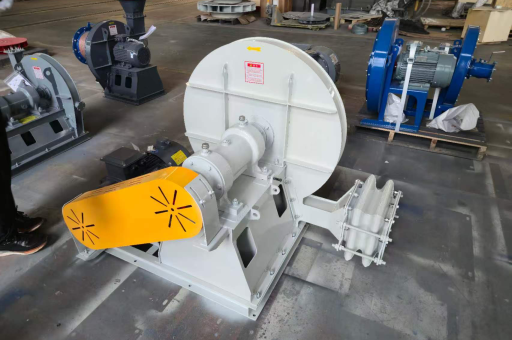
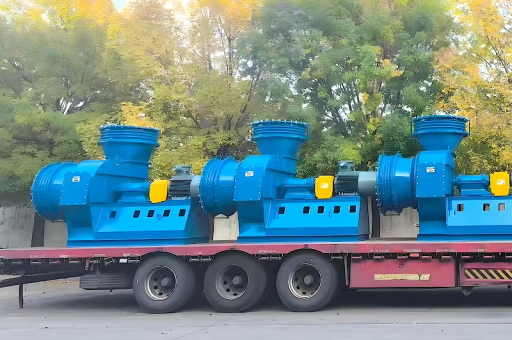
This is the main suction or blowing fan mounted on a street sweeper or industrial cleaning truck. The "7.5kW" (kilowatt) rating refers to the electrical or hydraulic power required to drive the fan motor. It is the "heart" of the sweeping system.
Key Characteristics of a 7.5kW Sweeper Fan
- Power Output: 7.5 kW converts to approximately 10 HP (Horsepower).
- Context: This is a medium-to-high power fan. Small walk-behind sweepers might use 1-2kW. Large, highway-speed sweepers can use 15-20kW+. A 7.5kW fan is common for mid-size mechanical sweepers or compact regenerative air sweepers.
- Airflow (CFM): Expect an air volume rating between 2,000 and 4,000 CFM (Cubic Feet per Minute), depending on the impeller design and pressure requirements.
- Vacuum Pressure: This fan is designed to create significant negative pressure (vacuum), typically in the range of 10" to 20" H₂O (Water Gauge). This is enough to suck up heavy debris (gravel, dirt, plastic bottles, wet leaves) from the ground.
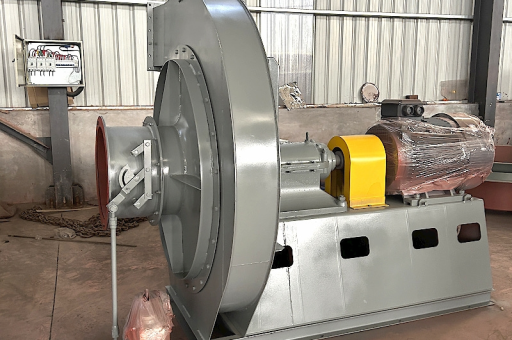
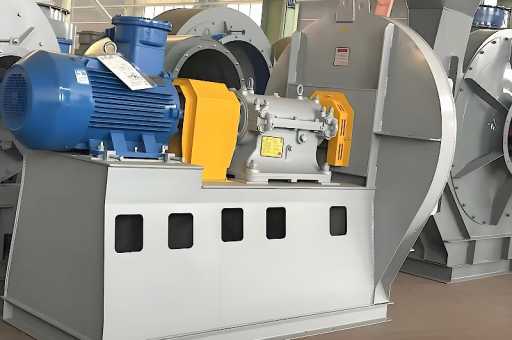
- Drive Type: The 7.5kW rating usually applies to the power source. It can be driven by:
- Hydraulic Motor: Very common. The truck's main engine runs a hydraulic pump, which powers the fan motor. This allows for variable speed control (e.g., low speed for dust control, high speed for heavy debris).
- Electric Motor: Less common for the main fan on a heavy truck, but possible on electric or hybrid sweepers, or battery-powered industrial sweepers.
- PTO (Power Take-Off) Shaft: Direct mechanical drive from the truck engine, often through a belt system.
Types of Fans (Impeller Design)
Two main types exist, and the choice affects performance:
-
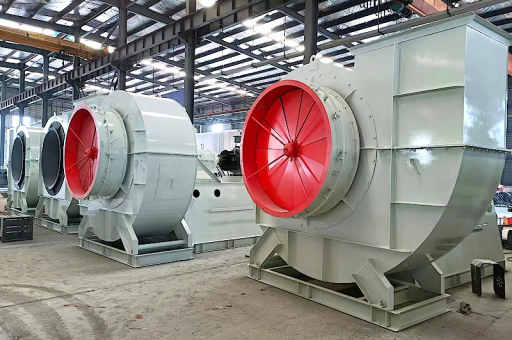
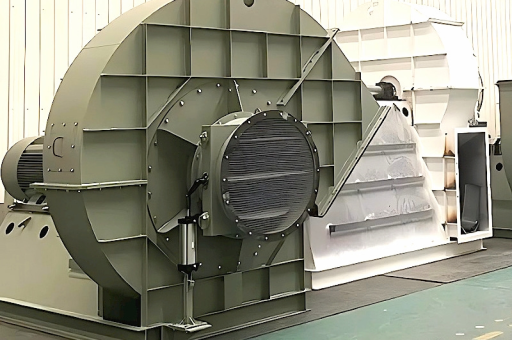
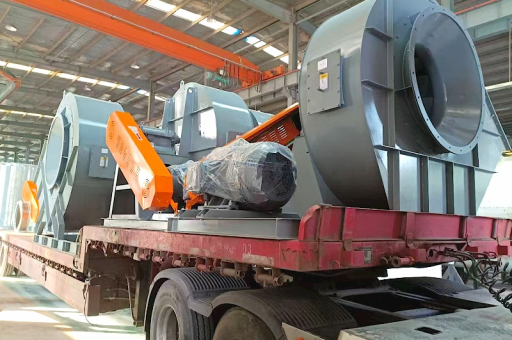
Centrifugal Fan (Radial Blade / "Squirrel Cage"): The most common type for sweepers.
- How it works: Air enters the center of the fan wheel (impeller) and is flung outward by centrifugal force.
- Pros: High pressure, efficient at moving heavy debris, robust and durable (can handle rocks and trash).
- Cons: Can be larger physically, more susceptible to clogging with stringy materials if the blades are too close together.
-
Regenerative / Peripheral Fan:
- How it works: High-speed impeller re-energizes the air multiple times within a side channel.
- Pros: Very high air speed at lower volumes (good for "regenerative air" sweepers that blow and suck simultaneously), compact size.
- Cons: Lower overall volumetric flow (CFM) compared to centrifugal, more sensitive to large debris.
Typical Applications for a 7.5kW Sweeper Fan
- Street Sweepers: Compact/mid-size sweepers for parking lots, city streets, sidewalks.
- Industrial Sweepers: Warehouse floor sweepers, factory cleaning machines.
- Airports / Tarmac Sweepers: Cleaning runways and taxiways of FOD (Foreign Object Debris).
- Construction Sites: Dust control and debris removal.
Why 7.5kW is a Specific Choice
- Balance: It offers a good balance between suction power and energy consumption / hydraulic oil flow.
- Pump Size: For a hydraulic system, a 7.5kW motor requires a specific flow rate (GPM) and pressure (PSI) from the truck's hydraulic pump.
- Chassis Compatibility: It fits well on medium-duty truck chassis (e.g., Ford F-550, Isuzu NPR, Hino 338) without overloading the engine or requiring a massive alternator/hydraulic system.
- Battery Power: In battery-electric sweepers, a 7.5kW fan is a significant drain. A typical 48V or 80V battery system would need to supply roughly 160-200 Amps to run this fan at full speed.
Potential Issues / Maintenance Points
- Heavy Load: Continuous high-speed operation generates significant heat. Hydraulic oil coolers or electric motor thermal protection are critical.
- Wear: The impeller blades and housing wear down over time from contact with sand, gravel, and water.
- Clogs: If debris (plastic bags, fabric) gets into the fan, it can severely reduce performance or even stall a 7.5kW motor. The housing usually has a clean-out door.
- Belt Tension: If PTO or belt-driven, belts must be correctly tensioned to avoid power loss or slipping.
In summary: A 5kW sweeper truck fan is a robust, medium-power centrifugal fan designed to generate the high vacuum needed to reliably pick up heavy dirt and debris from paved surfaces. It is a standard choice for mid-duty sweepers balancing power, efficiency, and chassis integration.