This article's table of contents introduction:
- What is a 22kW Sweeper Truck Fan?
- Primary Purpose:
- Who Might Need This Information?
- Types of 22kW Fans You Might Encounter:
- Typical Performance:
- Common Issues & Maintenance:
- Common Manufacturers (OEM & Aftermarket):
- If you are sourcing a replacement:
It sounds like you're looking for information about a 22kW fan system used in a sweeper truck (also known as a road sweeper or street sweeper).
This is a high-power, industrial component. Here is a breakdown of what that specification means, its purpose, and typical applications.
What is a 22kW Sweeper Truck Fan?
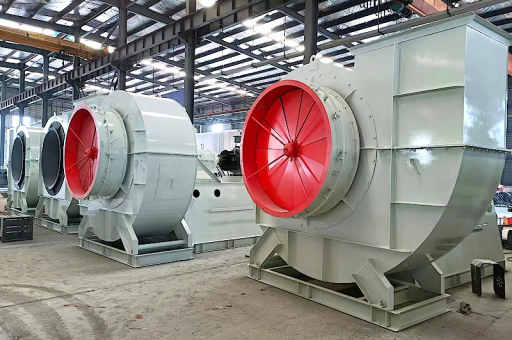
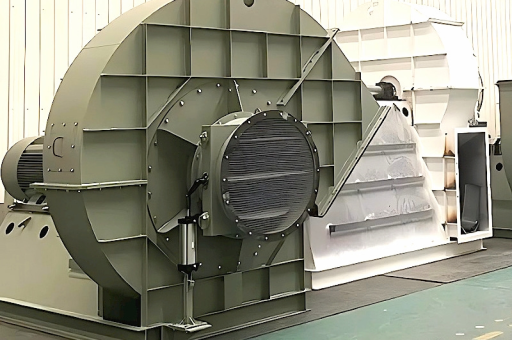
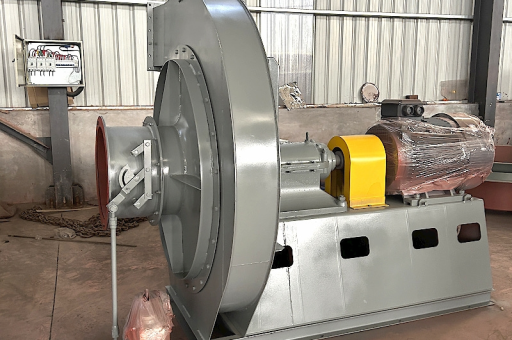
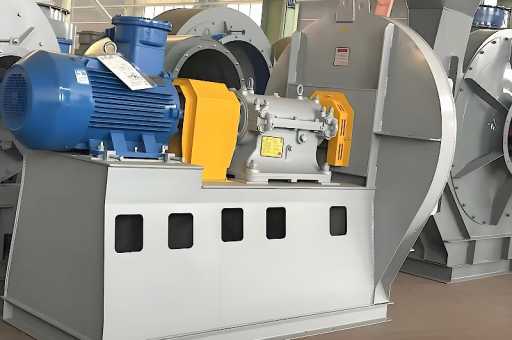
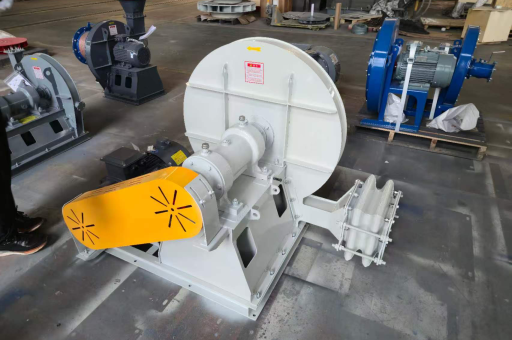
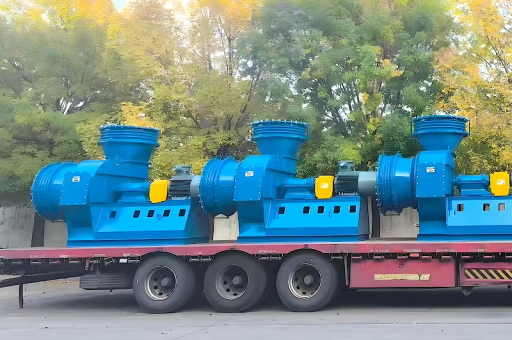
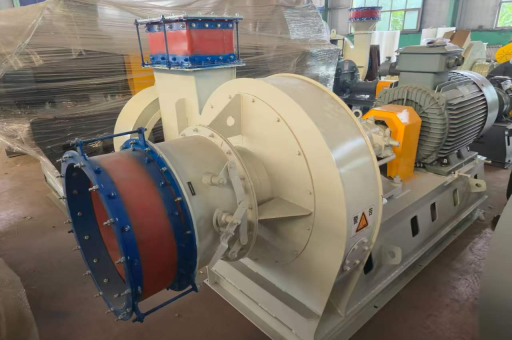
It is the primary component of the vehicle's vacuum and suction system. Unlike a domestic fan, this is a heavy-duty, high-volume, high-pressure centrifugal fan designed to create a strong vacuum inside the truck's debris hopper.
Key Specifications (Typical):
- Power: 22 kW (approx. 30 Horsepower).
- Airflow: Very high, often measured in m³/h (cubic meters per hour) or CFM. A 22kW fan can move several thousand CFM.
- Fan Type: Centrifugal (radial blade or paddle wheel design) to handle debris and dust.
- Drive System: Typically driven by a Hydraulic Motor (most common) or an Electric Motor (in newer EV/HEV sweepers). The hydraulic pump is driven by the truck's PTO (Power Take-Off) from the main engine.
Primary Purpose:
The 22kW fan is not for engine cooling or cabin ventilation. Its sole job is to generate a powerful vacuum to:
- Pick up debris (dirt, gravel, leaves, trash) from the road surface through the suction nozzles.
- Transport debris through the ductwork up into the main hopper (storage tank).
- Maintain filter efficiency by pulling air through the filter system to separate fine dust particles from the air before it's exhausted.
Who Might Need This Information?
- Fleet Managers & Mechanics: Troubleshooting low suction power, replacing a failed fan, or sourcing a replacement.
- Equipment Buyers: Comparing the performance of a sweeper model. A 22kW fan indicates a heavy-duty, industrial-grade sweeper capable of handling large volumes and heavy materials (e.g., construction debris, mining sites, heavy municipal sweeping).
- Engineers: Designing or retrofitting sweeper systems.
Types of 22kW Fans You Might Encounter:
-
Hydraulic-Driven (Most Common):
- Pros: High torque at low speeds, variable speed control (controlled by hydraulic flow), can be sealed from the environment.
- Cons: Less efficient than electric (some power lost as heat), requires hydraulic pumps, filters, and fluid maintenance.
- Application: Traditional diesel-powered sweepers.
-
Electric Motor-Driven (Increasingly Common):
- Pros: Lower noise, instant torque, no hydraulic oil leaks, plug-and-play for electric sweeper chassis.
- Cons: Requires a very powerful (often 48V, 96V, or 400V) electrical system and a large inverter/battery pack.
- Application: Electric, hybrid, or low-emission sweepers (e.g., airport sweepers, indoor use, urban trucks).
Typical Performance:
- Airflow: ~15,000 - 25,000 m³/h (10,000 - 15,000 CFM) at lower pressure.
- Pressure: ~15 - 25 kPa (kilopascals) (or 60-100 inches of water gauge). This is the "sucking power" (vacuum).
- Speed: ~1,500 - 4,000 RPM depending on the design and drive type.
Common Issues & Maintenance:
- Bearing Failure: The #1 cause of fan failure. Grease or replace bearings regularly.
- Impeller Wear: From sand and gravel eroding the blades. Can cause imbalance and vibration.
- Balance: An out-of-balance impeller will shake the truck and damage the fan housing quickly.
- Hydraulic Motor Leaks: Internal leakage reduces speed and suction power.
- Clogging: While less common on a 22kW fan (it's designed to handle it), a clogged filter or duct will choke the fan.
Common Manufacturers (OEM & Aftermarket):
- Elgin Sweeper (uses specific hydraulic fan assemblies)
- Johnston Sweepers (often uses belt-driven or hydraulic centrifugal fans)
- Schwarze Industries (often uses large electric or hydraulic fans)
- TYMCO (uses a unique regenerative air system, not a traditional fan)
- Dometic/Mobile Climate Control (for some European models)
- Ventilatorenfabrik Oelde (V.O.) or Rosenberg (industrial fan makers for custom builds)
If you are sourcing a replacement:
You will need to know more than just "22kW". You need:
- Drive Type: Hydraulic motor (specify displacement, mounting flange) or Electric motor (specify voltage, frame size, RPM).
- Fan Type: Centrifugal, radial blade.
- Rotation: CW (clockwise) or CCW (counter-clockwise) as viewed from the drive end.
- Inlet/Outlet Size: Diameter of the suction and discharge ducts.
- Original Part Number: (e.g., from the sweeper's parts manual).
In short: A 22kW fan in a sweeper truck is a high-power workhorse for creating strong suction. It is a critical, high-maintenance component that defines the machine's capability. If you are having suction problems, checking the fan's speed (hydraulic pressure/flow) and its mechanical health (bearings, balance) is the first step.