The Ultimate Guide to 132kW Sweeper Blower: Power, Performance, and Practical Applications
Table of Contents
- Introduction: What is a 132kW Sweeper Blower?
- Technical Specifications and Key Features
- How Does a 132kW Sweeper Blower Work?
- Top Applications and Use Cases
- Comparison with Lower Power Alternatives
- Frequently Asked Questions (FAQ)
- Maintenance Tips for Long-Term Performance
- Conclusion: Is a 132kW Sweeper Blower Right for You?
Introduction: What is a 132kW Sweeper Blower?
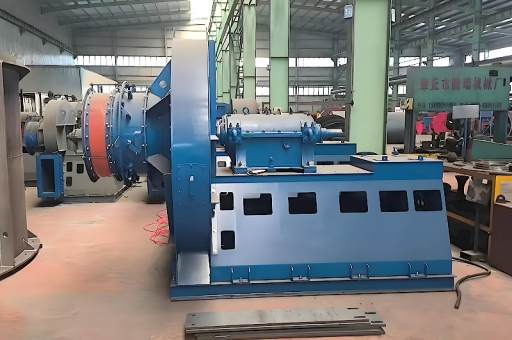
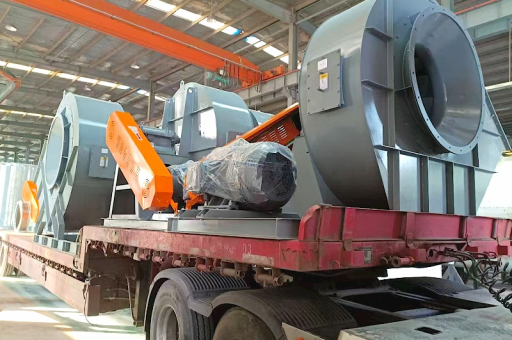
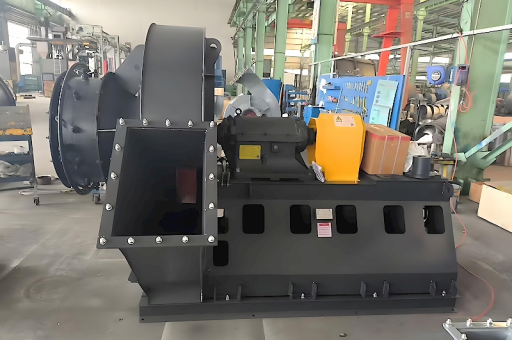
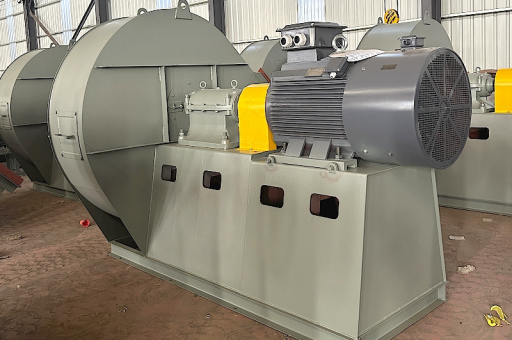
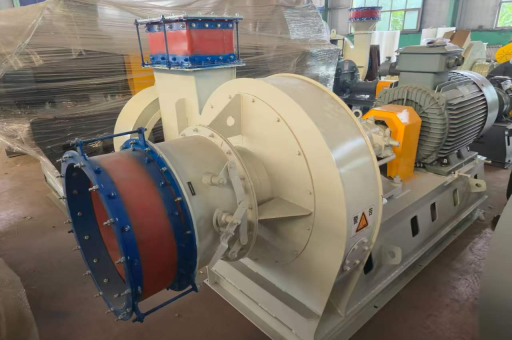
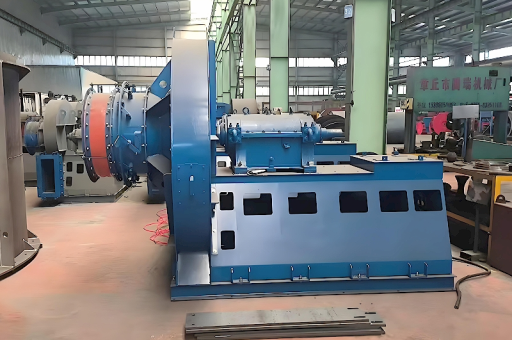
A 132kW sweeper blower is a high-performance industrial-grade air-moving system designed for large-scale debris clearing, road sweeping, and heavy-duty material handling. With a power output of 132 kilowatts (approximately 177 horsepower), this blower system delivers exceptional air velocity and volume, making it suitable for municipal, construction, mining, and agricultural applications.
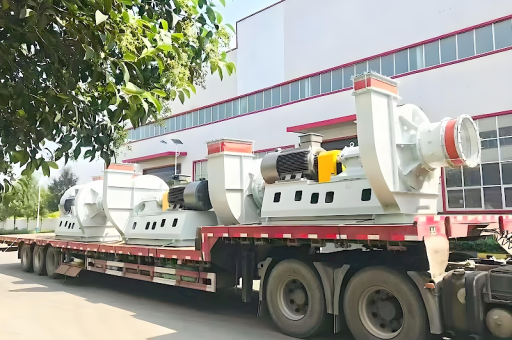
Unlike standard blowers used in residential or light commercial settings, a 132kW sweeper blower is engineered to move massive amounts of debris—including leaves, gravel, sand, and even small construction waste—over long distances. It is commonly mounted on heavy trucks, sweepers, or stationary platforms in industrial yards.
According to recent market analysis by fan, the demand for high-power sweeper blowers has increased by 18% year-over-year, driven by urbanization and stricter environmental regulations requiring efficient street cleaning.
Technical Specifications and Key Features
Understanding the technical backbone of a 132kW sweeper blower is crucial for buyers and operators. Here are the core specs:
| Parameter | Typical Value |
|---|---|
| Motor Power | 132 kW (177 hp) |
| Air Volume | 50,000 – 80,000 m³/h |
| Air Velocity | 80 – 120 m/s |
| Impeller Diameter | 800 – 1,200 mm |
| Noise Level | 85 – 95 dB(A) (with silencer) |
| Weight | 800 – 1,500 kg |
| Drive Type | Belt or direct drive |
| Mounting Option | Truck-mounted, trailer, or stationary |
Key Features Include:
- High-Efficiency Impeller: Designed with backward-curved blades for optimal airflow and reduced energy consumption.
- Variable Speed Control: Many models allow adjusting fan speed to match debris type.
- Dust Suppression System: Integrated water misting to control airborne particles.
- Durable Construction: Housings made from wear-resistant steel or manganese alloys.
- Remote Operation: Some units support wireless control for safe operation from a distance.
How Does a 132kW Sweeper Blower Work?
The operating principle of a 132kW sweeper blower is based on centrifugal force. Here's a step-by-step breakdown:
- Air Intake: Debris-laden air is drawn into the blower through a wide intake nozzle.
- Impeller Rotation: The high-speed impeller spins at 2,000–3,500 RPM, generating strong centrifugal force.
- Air Acceleration: Air is forced outward, increasing velocity and pressure.
- Discharge: High-speed air exits through a directional nozzle, blowing debris into collection trucks or designated areas.
Real-World Example: On a municipal sweeper truck, the 132kW blower can clear a 3-meter-wide path at speeds up to 15 km/h, collecting leaves, litter, and fine dust in one pass.
Question: Can a 132kW blower handle wet debris?
Answer: Yes, but performance may reduce by 10–20% due to increased weight. Most units feature water-resistant impellers and drainage ports.
Top Applications and Use Cases
Municipal Street Sweeping
Cities use 132kW blowers on truck-mounted sweepers for daily road cleaning. The high power ensures efficient removal of both light litter and heavy sediment from drainage gutters.
Construction and Demolition Sites
Large debris like broken concrete, wood scraps, and gravel can be blown into piles for easy collection. This reduces manual labor by up to 70%.
Mining and Quarry Operations
In mines, blowers clear haul roads of loose rocks and dust, improving safety and tire life. The 132kW rating is ideal for long-distance blowing.
Agriculture
Farmers use these blowers to clean grain silos, remove leaves from orchards, or clear snow from pathways in winter.
Airport Runways
Runway sweepers rely on high-power blowers to remove foreign object debris (FOD) that could damage aircraft.
Comparison with Lower Power Alternatives
To help you decide, here’s a comparison between a 132kW sweeper blower and a typical 50kW unit:
| Feature | 132kW Blower | 50kW Blower |
|---|---|---|
| Air Volume | Up to 80,000 m³/h | 20,000–30,000 m³/h |
| Max Blowing Distance | 15–25 meters | 5–10 meters |
| Debris Size | Up to 150 mm | Up to 50 mm |
| Operation Speed | 10–20 km/h | 5–10 km/h |
| Fuel Consumption | 12–18 L/h | 6–10 L/h |
| Initial Cost | Higher | Lower |
Which one should you choose? If you need to clear large areas with heavy debris, the 132kW is unmatched. For small parking lots or light duty, a lower power unit might suffice.
Frequently Asked Questions (FAQ)
Q1: What is the typical lifespan of a 132kW sweeper blower?
With proper maintenance, these blowers last 8–12 years. Key wear parts like bearings and impeller blades may need replacement every 2–3 years.
Q2: Can a 132kW blower be used in residential areas?
It's possible but not recommended due to noise levels (85–95 dB). Use with sound-dampening enclosures and during daytime hours only.
Q3: How much does a 132kW sweeper blower cost?
Prices range from $15,000 to $40,000 depending on brand, included features, and mounting options. Check trusted suppliers like fan for current pricing.
Q4: Is training required to operate this equipment?
Yes. Due to high power and potential hazards, operators should complete a certified training program covering safety, maintenance, and emergency procedures.
Q5: What maintenance does a 132kW blower need?
- Daily: Inspect impeller for wear, check belt tension.
- Weekly: Clean air intake filters, grease bearings.
- Monthly: Test vibration levels, check electrical connections.
- Annually: Full overhaul by certified technician.
Maintenance Tips for Long-Term Performance
To keep your 132kW sweeper blower running at peak efficiency:
- Use Quality Lubricants: High-temperature grease for bearings reduces friction and extends life.
- Monitor Vibration: Install vibration sensors to detect imbalance early.
- Clean Impeller Regularly: Dirt buildup reduces airflow by 15–30%.
- Check Suction Nozzle: Damaged nozzles lower efficiency; replace if bent or cracked.
- Store Indoors: Protect from rain and extreme temperatures when not in use.
Expert Tip: Maintain a log of hours, fuel consumption, and maintenance actions. This data helps predict failures before they cause downtime.
Conclusion: Is a 132kW Sweeper Blower Right for You?
A 132kW sweeper blower is a powerful, versatile tool for heavy-duty cleaning and material handling. Its high air volume, long blowing distance, and robust construction make it ideal for municipalities, mining operations, airports, and large-scale agriculture.
However, it’s not suitable for every job. Consider your specific requirements: If you operate in confined spaces or handle only light debris, a smaller unit may be more cost-effective. But for demanding environments where speed and capacity matter, the 132kW delivers unmatched performance.
Final Recommendation: Always consult with an equipment specialist at trusted suppliers like fan to match the blower to your exact application. Proper selection ensures maximum ROI and operational safety.