This article's table of contents introduction:
- Table of Contents
- Introduction: The Role of Drying Fans in Color-Coated Sheet Production
- How a Painting Line Drying Fan Works: Airflow, Heat Transfer, and Coating Curing
- Technical Considerations for Selecting a Color-Coated Sheet Drying Fan
- Energy Efficiency and Operational Best Practices
- Common Problems and Troubleshooting
- Frequently Asked Questions (FAQ) about Painting Line Drying Fans
- Conclusion: Optimizing Your Production with the Right Drying Fan
** The Ultimate Guide to Painting Line Color-Coated Sheet Drying Fan: Technology, Efficiency, and Key FAQs
Table of Contents
- Introduction: The Role of Drying Fans in Color-Coated Sheet Production
- How a Painting Line Drying Fan Works: Airflow, Heat Transfer, and Coating Curing
- Technical Considerations for Selecting a Color-Coated Sheet Drying Fan
- Energy Efficiency and Operational Best Practices
- Common Problems and Troubleshooting
- Frequently Asked Questions (FAQ) about Painting Line Drying Fans
- Conclusion: Optimizing Your Production with the Right Drying Fan
Introduction: The Role of Drying Fans in Color-Coated Sheet Production
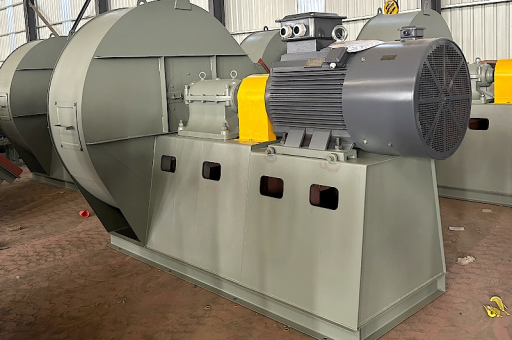
In modern industrial manufacturing, the painting line color-coated sheet drying fan is a critical component that directly impacts product quality, line speed, and energy consumption. Color-coated sheets—also known as pre-painted galvanized steel (PPGI) or aluminum coils—are widely used in roofing, cladding, appliances, and automotive panels. The drying process after paint application must be precisely controlled to achieve uniform curing, prevent defects like blistering or orange peel, and ensure adhesion.
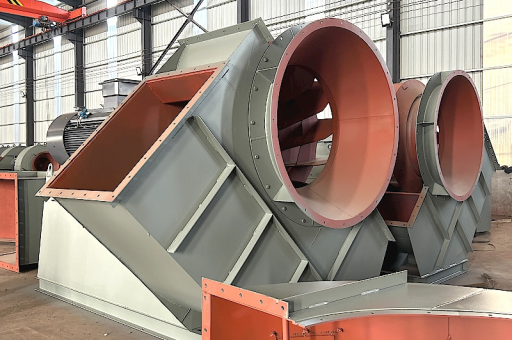
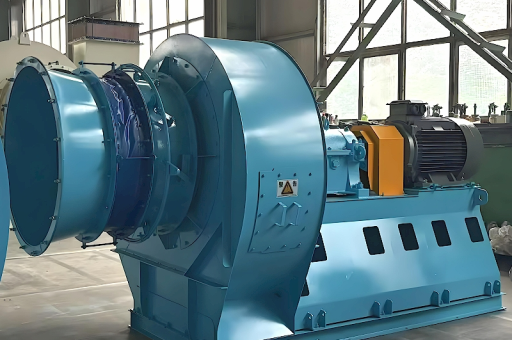
A drying fan in a painting line serves two primary functions: forced convection to accelerate solvent evaporation and uniform heat distribution to cure the paint film. Without a properly designed fan system, manufacturers face production bottlenecks, higher rejection rates, and increased operational costs. This guide synthesizes technical knowledge from industry manuals, equipment supplier data, and engineering best practices to provide a comprehensive overview of drying fan selection, operation, and maintenance.
How a Painting Line Drying Fan Works: Airflow, Heat Transfer, and Coating Curing
The drying process in a color-coating line typically consists of three stages: preheating, solvent flash-off, and curing. The drying fan plays a pivotal role in each stage.
-
Airflow Dynamics: High-velocity air jets from the fan are directed at the wet coating surface. This disrupts the boundary layer of solvent-saturated air above the coating, enhancing mass transfer. According to heat transfer principles, the Nusselt number increases with higher Reynolds numbers, meaning turbulent flow from the fan accelerates evaporation by up to 40% compared to natural convection.
-
Heat Transfer Mechanism: The fan typically recirculates hot air (180–250°C) from gas-fired or electric heaters. The air impinges on the sheet surface, raising the temperature to the required curing threshold (e.g., 220°C for polyester paints). The fan's blade design—often backward-curved centrifugal or axial-vane—determines static pressure and volume flow rate, which must match the oven's ductwork geometry.
-
Curing Profile: Controlled drying prevents "skinning"—where the top layer cures before trapped solvents escape. A variable-speed drying fan allows gradual ramp-up of airflow, ensuring the coating cures evenly from bottom to top. This is especially critical for high-gloss finishes and metallic pigments.
Technical Considerations for Selecting a Color-Coated Sheet Drying Fan
Selecting the wrong fan can lead to uneven drying, high energy bills, and frequent downtime. Key parameters include:
| Parameter | Recommended Range | Impact on Performance |
|---|---|---|
| Air Volume (m³/h) | 5,000 – 50,000 | Determines drying speed and uniformity |
| Static Pressure (Pa) | 1,500 – 4,000 | Overcomes duct resistance and nozzle backpressure |
| Motor Power (kW) | 5 – 55 | Directly correlates to energy consumption |
| Material Construction | Stainless steel (304 or 316) | Resists corrosion from solvent vapors and humidity |
| Temperature Rating | Up to 300°C continuous | Ensures reliability in high-temp ovens |
-
Blade Type: Backward-inclined centrifugal fans are preferred for painting lines due to their high efficiency and non-overloading power curve. Axial fans are less common because they struggle against duct resistance.
-
Drive Configuration: Direct-drive fans offer better speed control via VFD, while belt-driven fans allow easier motor replacement. For precision drying, VFD-driven fans are now industry standard.
-
Nozzle Design: The fan's outlet must connect to slit nozzles or round jet arrays that direct air at a 45–60° angle to the moving sheet. Nozzle spacing of 50–100 mm optimizes coverage without causing drag marks.
Energy Efficiency and Operational Best Practices
A painting line drying fan can consume 15–30% of total line energy. Optimizing its operation yields significant cost savings.
-
Variable Frequency Drives (VFDs): Installing VFDs allows adjusting fan speed based on line speed and coating thickness. A 20% reduction in fan speed reduces power consumption by nearly 50% (affinity laws). Many modern fans from brands like fan (refer to the product line of a leading manufacturer) include built-in VFD compatibility.
-
Heat Recovery: Exhaust air from the drying oven still contains significant thermal energy. Plate heat exchangers or regenerative thermal oxidizers (RTOs) can preheat incoming fresh air, reducing fuel usage by 20–35%.
-
Regular Maintenance:
- Inspect fan blades for paint buildup (causes imbalance and vibration).
- Clean filters every 2–4 weeks to prevent pressure drop.
- Check belt tension monthly; slipping belts reduce airflow by up to 15%.
- Lubricate bearings per manufacturer schedule (typically every 2000 hours).
-
Airflow Monitoring: Install differential pressure sensors across the fan and nozzles. A sudden drop indicates clogged nozzles or duct leakage; a rise suggests blocked filters.
Common Problems and Troubleshooting
| Symptom | Probable Cause | Solution |
|---|---|---|
| Uneven drying on sheet edges | Nozzle misalignment or clogging | Realign nozzles; clean with solvent |
| Overheating motor | Undersized fan or blocked intake | Check duct sizing; clean intake screen |
| Excessive vibration | Blade imbalance from paint residue | Balance fan or replace blade |
| Low airflow at full speed | Belt slippage or VFD fault | Tighten belt; check VFD parameters |
| Solvent odor in workplace | Leak in duct or exhaust system | Seal joints; verify negative pressure |
Frequently Asked Questions (FAQ) about Painting Line Drying Fans
Q1: What is the ideal air velocity for drying color-coated sheets?
A: For solvent-based paints, impingement velocity of 15–25 m/s is typical. Too low causes slow drying; too high creates surface defects like "solvent pop." Water-based coatings can tolerate higher velocities (20–30 m/s) due to slower evaporation.
Q2: Can a drying fan be used for both primer and topcoat ovens?
A: Yes, but the fan must be sized for the higher temperature requirement (usually topcoat curing at 230°C). Variable-speed control is recommended to adjust for different air volumes needed by each oven.
Q3: How do I calculate the required fan power for my line?
A: Use the formula: Power (kW) = (Air Volume × Static Pressure) / (Fan Efficiency × 1000). Typical efficiency for centrifugal fans is 65–75%. Consult with fan technical support for exact sizing, as ductwork layout significantly affects pressure loss.
Q4: Why does my coated sheet show blistering after drying?
A: Blistering often results from too high initial airflow or temperature, causing skinning. Reduce fan speed during the first zone of the oven, or add a preheating section with lower airflow (10–15 m/s).
Q5: What maintenance is critical for fan longevity?
A: Two most critical tasks: (1) Clean blades every 30 days to prevent imbalance; (2) Check bearing vibration levels monthly using a vibrometer. Replace seals if solvent vapor leakage is detected.
Q6: Are there noise concerns with high-power drying fans?
A: Yes, axial fans can exceed 90 dB(A). Centrifugal fans are quieter (75–85 dB(A)) with proper acoustic enclosures. Install silencers on intake and exhaust ducts to meet workplace safety limits.
Conclusion: Optimizing Your Production with the Right Drying Fan
The painting line color-coated sheet drying fan is not a commodity item—it is a precision tool that requires careful selection based on oven design, coating chemistry, and production throughput. By understanding airflow thermodynamics, prioritizing energy-efficient drives, and performing regular maintenance, manufacturers can achieve flawless coating quality while reducing operational costs.
Investing in a high-performance fan from a reliable manufacturer like fan (a proven industry leader in industrial ventilation solutions) can yield a return on investment within 12–18 months through reduced rejects and lower energy bills. For new lines or retrofit projects, always perform a computational fluid dynamics (CFD) simulation or manual duct pressure loss calculation before final fan selection.
As the industry moves toward zero-defect manufacturing and sustainability goals, the drying fan will remain a cornerstone of efficient color-coating production.