This article's table of contents introduction:
- Table of Contents
- Introduction: What Is a 22kW Centrifugal Blower Boiler Exhaust Fan?
- Core Technical Specifications and Performance Metrics
- Key Applications in Industrial Boiler Systems
- Why Choose a 22kW Centrifugal Fan Over Other Types?
- Installation Best Practices for Boiler Exhaust
- Common Operational Issues and Troubleshooting Q&A
- Maintenance Tips to Extend Service Life
- Frequently Asked Questions (FAQ)
- Conclusion
** The Ultimate Guide to 22kW Centrifugal Blower Boiler Exhaust Fans: Performance, Selection, and Troubleshooting
Table of Contents
- Introduction: What Is a 22kW Centrifugal Blower Boiler Exhaust Fan?
- Core Technical Specifications and Performance Metrics
- Key Applications in Industrial Boiler Systems
- Why Choose a 22kW Centrifugal Fan Over Other Types?
- Installation Best Practices for Boiler Exhaust
- Common Operational Issues and Troubleshooting Q&A
- Maintenance Tips to Extend Service Life
- Frequently Asked Questions (FAQ)
- Conclusion
Introduction: What Is a 22kW Centrifugal Blower Boiler Exhaust Fan?
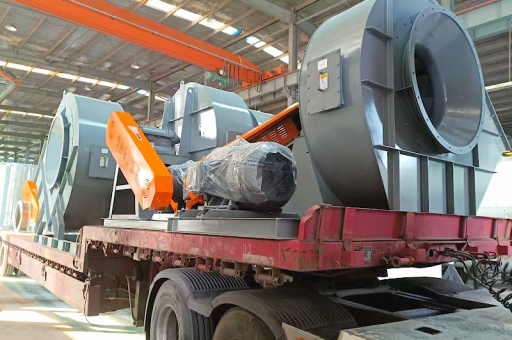
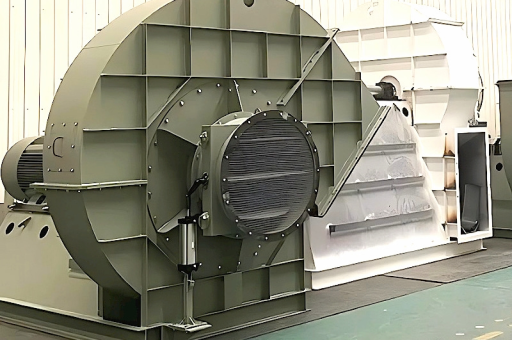
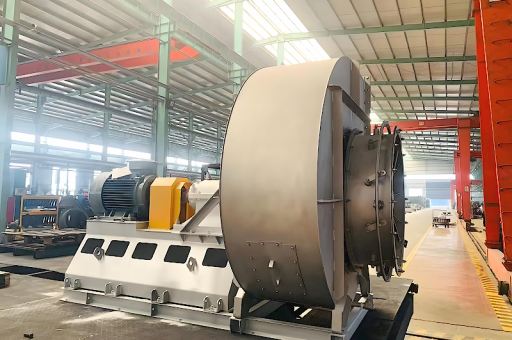
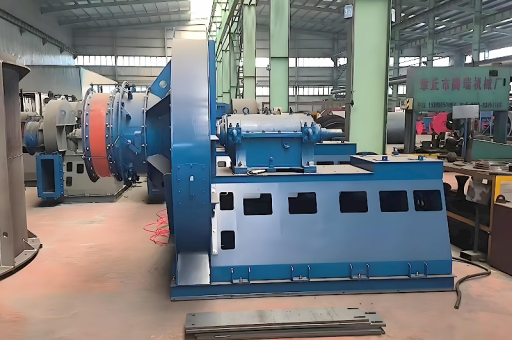
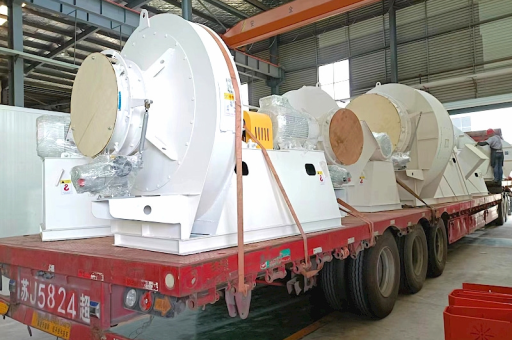
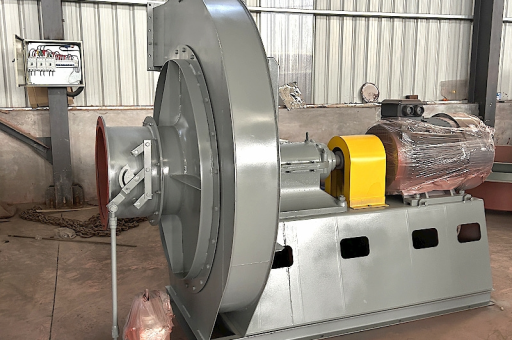
A 22kW centrifugal blower boiler exhaust fan is a high-power industrial ventilation device designed to extract flue gas, combustion by-products, and excess heat from boiler systems. The "22kW" refers to the motor power rating, which typically delivers an airflow range of 15,000 to 30,000 m³/h at moderate static pressures, making it suitable for medium- to large-scale industrial boilers. These fans use a centrifugal (impeller) mechanism to generate high static pressure, essential for overcoming duct resistance and chimney backpressure.
Unlike axial fans, centrifugal blowers can handle particulate-laden, high-temperature gases (often up to 250°C or more with special coatings) without significant performance degradation. They are widely used in power plants, chemical processing facilities, district heating plants, and large commercial HVAC systems.
Core Technical Specifications and Performance Metrics
Understanding the technical data behind a 22kW centrifugal blower boiler exhaust fan is crucial for correct selection. Key parameters include:
- Motor Power: 22 kW (typically 3-phase, 380V–690V, 50/60 Hz)
- Airflow (Q): 18,000–28,000 m³/h depending on impeller design
- Static Pressure (Ps): 2,500–5,000 Pa (high enough to overcome duct friction)
- Speed: Usually 1,450–2,900 RPM (direct drive or belt-driven)
- Sound Level: 75–90 dB(A) at 1 meter (requires silencers in noise-sensitive areas)
- Temperature Range: Standard version up to 120°C; high-temp version up to 350°C with heat-resistant bearings and shaft cooling
Performance Curve Note: The fan's operating point should match the system resistance curve. Running a 22kW fan outside its recommended flow-to-pressure range can cause motor overload or insufficient draft.
Key Applications in Industrial Boiler Systems
The 22kW centrifugal blower boiler exhaust fan is the backbone of forced draft (FD) or induced draft (ID) systems. Here are its primary uses:
- Induced Draft (ID) Fans: Extract combustion gases from the boiler furnace into the chimney. The 22kW rating provides enough suction to handle high-temperature, corrosive gases.
- Forced Draft (FD) Fans: Supply combustion air to the burner. In some configurations, a 22kW fan ensures adequate oxygen for efficient fuel burning.
- Flue Gas Recirculation (FGR): Recirculate a portion of exhaust gas back into the combustion chamber to reduce NOx emissions.
- Baghouse or Precipitator Pre-fans: Move gas through pollution control equipment before release to the atmosphere.
Real-world Example: A food processing plant using a 10-ton steam boiler installed a 22kW centrifugal ID fan to replace an undersized 15kW unit. After installation, fuel efficiency improved by 8% due to better combustion air control.
Why Choose a 22kW Centrifugal Fan Over Other Types?
| Feature | Centrifugal (22kW) | Axial Fan (similar kW) | Plug Fan |
|---|---|---|---|
| Static Pressure | High (up to 5000 Pa) | Low (under 1500 Pa) | Medium |
| Handling hot/particulate gas | Excellent (with appropriate materials) | Poor (blades prone to wear) | Good |
| Efficiency at high pressure | 75%–85% | <65% | 70%–80% |
| Installation flexibility | Requires ductwork transitions | Compact, less duct needed | In-duct installation |
| Noise | Higher (needs silencer) | Lower | Moderate |
A 22kW centrifugal blower is the definitive choice when high static pressure and durability in harsh boiler exhaust environments are absolute requirements.
Installation Best Practices for Boiler Exhaust
Improper installation can reduce fan performance or cause mechanical failure. Follow these guidelines:
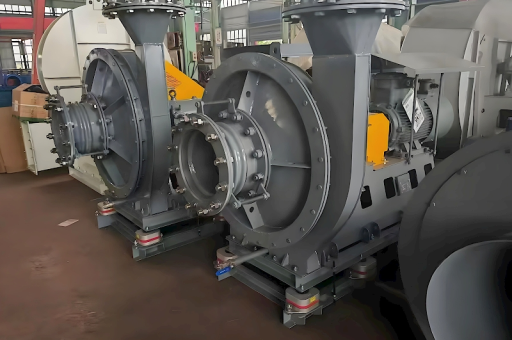
- Foundation: Use a rigid, vibration-dampened base to minimize resonance. The 22kW motor vibrates strongly at start-up.
- Duct Design: Ensure gradual transitions (no sharp 90° elbows near the inlet). Use at least 1.5x duct diameter straight run before the fan inlet.
- Motor Protection: Install a variable frequency drive (VFD) to allow speed control and energy savings. Without VFD, use a soft starter to reduce inrush current.
- Drainage: Place a condensate drain tap at the lowest point of the exhaust duct to prevent moisture damage in the fan casing.
- Expansion Joints: Include flexible connectors to absorb thermal expansion of hot gas ducts.
Checklist before commissioning:
- Verify rotation direction (match arrow on fan housing)
- Check belt tension (if belt-driven)
- Confirm electrical connection (delta or star depending on voltage)
Common Operational Issues and Troubleshooting Q&A
Q: The fan vibrates excessively despite proper mounting. What's wrong? A: Three possible causes: (1) impeller imbalance from dust buildup – clean the blades; (2) worn bearings – measure vibration >4.5 mm/s; (3) foundation bolts loosened. For a 22kW fan, use at least M16 bolts with lock washers.
Q: The motor temperature exceeds 90°C while the fan is running at full speed. Is this normal? A: Not for a 22kW motor. Check (a) whether the fan is overloading the motor by measuring current draw (shouldn't exceed nameplate FLA by more than 5%); (b) insufficient cooling airflow on the motor fan cover; (c) voltage imbalance (should be under 2% between phases).
Q: Airflow is weaker than expected. The duct seemed correct. A: First, check the actual static pressure using a manometer. If pressure matches the fan curve but flow is low, you may have a partially blocked inlet grate or damper. If pressure is low while flow is low, the fan may be running in reverse or the drive belt is slipping.
Q: The fan emits a loud screeching noise. A: This indicates bearing failure – hear a grinding sound from the bearing housing. Replace immediately to prevent rotor-stator contact. For a 22kW fan, use SKF or equivalent C3-rated bearings.
Maintenance Tips to Extend Service Life
- Monthly: Measure vibration and bearing temperature. Clean impeller surfaces if handling sticky particulate.
- Quarterly: Inspect belt tension and adjust alignment. Check motor insulation resistance (should be >1 MΩ).
- Semi-annually: Lubricate bearings with high-temperature grease (NLGI 2 or 3) – avoid over-greasing.
- Annually: Perform a full fan balance test. Replace shaft seals if leaking. Inspect fan housing for corrosion or thermal fatigue cracks.
Tip for Boiler Exhaust: Install a differential pressure gauge across the fan. An increase of more than 20% indicates clogging or duct issues.
Frequently Asked Questions (FAQ)
Q1: Can a 22kW centrifugal blower be used for both air supply and exhaust? A: Yes, but the fan must be designed for that purpose. Most are unidirectional; reversing airflow requires a reversible impeller or a dedicated bi-directional fan.
Q2: What is the maximum flue gas temperature this fan can handle? A: Standard units handle up to 120°C continuous. With heat shields, insulated shaft, and high-temp bearings, it can operate at 300–350°C. Always consult the manufacturer for your specific model.
Q3: What size duct should I use for a 22kW fan? A: For optimal velocity (10–15 m/s), use a duct diameter of 600–800 mm. Larger duct reduces pressure drop but increases cost.
Q4: Is a VFD necessary for a 22kW boiler exhaust fan? A: Not strictly, but highly recommended. VFD allows precise airflow control, reduces energy consumption by up to 30%, and prolongs motor life by avoiding hard starts.
Q5: My fan is installed outdoors – any special requirements? A: Use a weatherproof motor (IP55 or higher), UV-resistant belt covers, and a rain hood on the exhaust stack. Also, ensure the bearing housing is sealed against moisture ingress.
Conclusion
A 22kW centrifugal blower boiler exhaust fan is a powerful, reliable workhorse for demanding industrial boiler applications. Its ability to generate high static pressure while handling hot, corrosive exhaust gases makes it indispensable in power generation, manufacturing, and process heating. Proper selection based on airflow-pressure curves, careful installation with vibration control, and regular maintenance (particularly bearing care and impeller cleaning) will ensure years of trouble-free service.
When considering a replacement or new installation, remember that investing in a high-quality centrifugal blower with a VFD and appropriate thermal protection pays off in both energy savings and reduced downtime. For the most demanding exhaust environments, no other fan type matches the long-term durability of a properly specified 22kW centrifugal blower.