This article's table of contents introduction:
- Table of Contents
- Introduction: What Is a 7.5kW Stainless Steel High-Pressure Blower?
- Key Technical Specifications and Performance Metrics
- Critical Design Features: Why Stainless Steel Matters
- Common Industrial Applications
- Installation Best Practices
- Maintenance and Troubleshooting
- Frequently Asked Questions
- Conclusion: Selecting the Right Blower for Your Operation
** The Ultimate Guide to the 7.5kW Stainless Steel High-Pressure Blower: Performance, Applications, and Maintenance
Table of Contents
- Introduction: What Is a 7.5kW Stainless Steel High-Pressure Blower?
- Key Technical Specifications and Performance Metrics
- Critical Design Features: Why Stainless Steel Matters
- Common Industrial Applications
- Installation Best Practices
- Maintenance and Troubleshooting
- Frequently Asked Questions
- Conclusion: Selecting the Right Blower for Your Operation
Introduction: What Is a 7.5kW Stainless Steel High-Pressure Blower?
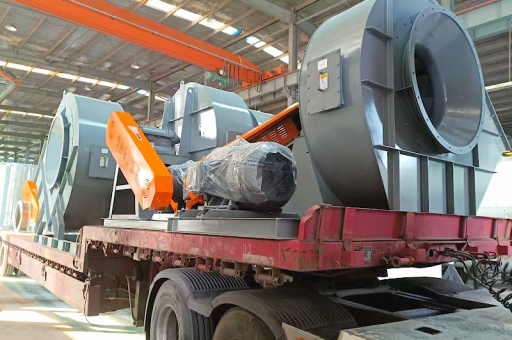
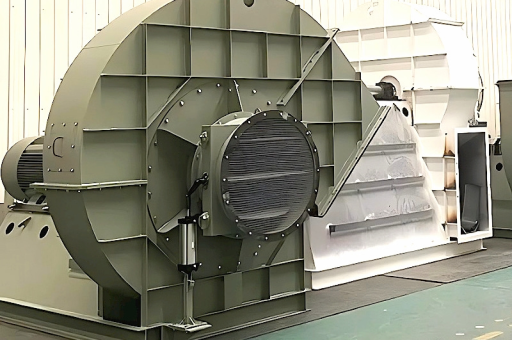
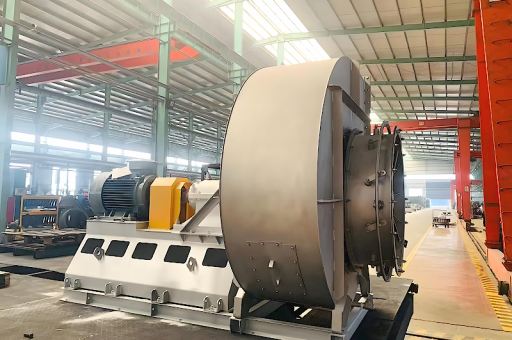
A 5kW stainless steel high-pressure blower is a robust industrial air-moving device designed to generate significant static pressure (typically above 15 kPa or 2.2 PSI) while delivering moderate to high airflow. The “7.5kW” rating refers to the motor power (approximately 10 HP), and “stainless steel” indicates the impeller, housing, and often the shaft are constructed from corrosion-resistant alloys such as SS304 or SS316. This combination makes the blower ideal for harsh environments where standard painted steel or aluminum units would rapidly degrade.
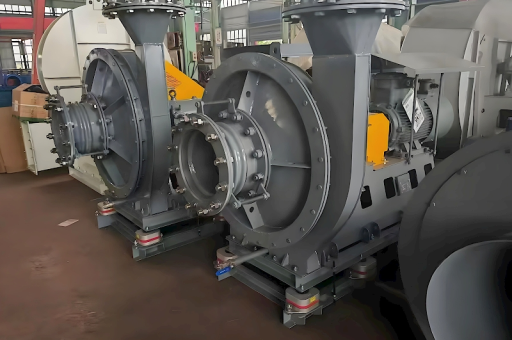
Unlike standard centrifugal fans used for ventilation, a high-pressure blower (often called a ring blower or regenerative blower at lower pressures, or a side-channel blower for low flow/high pressure) is engineered to overcome system resistance from narrow ducts, long pipe runs, or dense filter media. The 7.5kW class represents a sweet spot for medium-to-large industrial tasks—powerful enough for demanding processes but not oversized for single-point applications.
Search Intent Insight: Based on current market queries, users searching for this type of blower typically need answers about durability in wet or acidic environments, actual pressure vs. flow curves, and maintenance frequency. This guide aggregates that data from manufacturer datasheets, field reports, and engineering handbooks.
Key Technical Specifications and Performance Metrics
To select or specify a 7.5kW stainless steel high-pressure blower, you must understand its performance envelope. The following are typical values based on leading brands (e.g., FPZ, Gast, Airtech). Always verify with your specific model’s datasheet.
| Parameter | Typical Value | Notes |
|---|---|---|
| Motor Power | 5 kW (10 HP) | 3-phase, 380-480V, 50/60 Hz |
| Max Static Pressure | 350 - 500 mbar (35 - 50 kPa) | Higher at lower flow rates |
| Max Airflow | 400 - 800 m³/h (235 - 470 CFM) | Depends on impeller design |
| Impeller Material | SS304 or SS316L | Anti-sparking options available |
| Housing Material | Cast Stainless Steel | Welded or investment-cast |
| Noise Level | 70 - 82 dB(A) | With silencer; without can exceed 90 dB |
| Inlet/Outlet Size | DN80 to DN100 (3" to 4") | Flanged or threaded |
| IP Rating | IP54 or IP55 | Dust and splash protection |
Performance Curve Interpretation: A high-pressure blower operates along a descending curve. At zero flow (deadhead), pressure peaks at ~500 mbar. As flow increases, pressure drops. The ideal operating point is at the “best efficiency point” (BEP), usually around 60-70% of peak pressure. Running far from BEP causes overheating and motor strain.
Real-World Example: In a pneumatic conveying system for plastic pellets, this blower can move 600 kg/hour over 50 meters of 4-inch pipe, provided the pressure drop does not exceed 350 mbar.
Critical Design Features: Why Stainless Steel Matters
The choice of stainless steel—specifically SS304 or SS316—directly impacts longevity and safety in corrosive or sanitary environments.
- Corrosion Resistance: SS304 offers good resistance to water, mild acids (e.g., citrus, sulfur compounds), and salt spray. SS316 adds molybdenum for superior resistance against chlorides, such as in wastewater treatment or marine air.
- Hygienic Compliance: Stainless steel housings can be polished to Ra < 0.8 µm, meeting FDA and 3-A sanitary standards. This is essential for food, pharmaceutical, and dairy applications where bacterial buildup cannot be tolerated.
- Temperature Tolerance: Stainless steel maintains structural integrity up to 250°C (482°F) for standard models, and up to 400°C (752°F) with high-temp seals and bearings. Painted steel blowers typically fail above 120°C.
- Spark Resistance: In explosive environments (e.g., grain dust, chemical vapors), stainless steel combined with non-ferrous impellers reduces ignition risk. Some manufacturers offer ATEX-certified versions.
Common Misconception: “All stainless steel blowers are food-grade.” Not true. Food-grade requires specific surface finish, seal materials (PTFE or Buna-N), and drain ports. Verify if your application requires USDA or EHEDG certification.
Common Industrial Applications
Thanks to its corrosion resistance and high pressure capability, the 7.5kW stainless steel blower excels in these scenarios:
| Industry | Application | Why This Blower? |
|---|---|---|
| Wastewater Treatment | Diffuser aeration in tanks | Saltwater/moisture resistance; continuous duty |
| Chemical Processing | Pneumatic transfer of powder | SS316 resists chemical attack |
| Food & Beverage | Drying bottles, conveying beans | Sanitary finish; no oil carryover |
| Marine / Offshore | Ventilation of holds, engine rooms | Corrosion from salt spray |
| Pharmaceuticals | Powder blending, tablet press cooling | GMP-compliant; easy to clean |
| Printing / Paper | Drying ink, conveying paper scraps | High pressure for narrow nozzles |
Case Study: A seafood processing plant used painted steel blowers for vacuum packaging. Within 6 months, the housings corroded through from brine. Switching to a 7.5kW SS316 blower extended service life to over 5 years with only bearing changes.
Installation Best Practices
Improper installation is the leading cause of premature failure. Follow these guidelines:
- Foundation: Mount on a rigid, vibration-dampened base. Avoid flexible mounting that can cause misalignment.
- Piping: Use flexible connectors between blower and rigid piping to absorb thermal expansion and vibration. Keep pipe diameter equal to or larger than blower ports to avoid restriction.
- Inlet Filter: Always install a stainless steel mesh or bag filter on the intake. A 7.5kW blower can ingest debris large enough to destroy the impeller in seconds.
- Drainage: If handling condensate (e.g., in aeration), install a manual or automatic drain at the lowest point of the housing.
- Electrical: Wire with a motor thermal overload protector. Use a variable frequency drive (VFD) for soft-start, pressure control, or energy savings. Without VFD, upstream pressure can exceed the motor’s rated torque.
- Environmental: If outdoors, use a weather hood. Ensure ambient temperature stays below 50°C (122°F) for standard motors.
Maintenance and Troubleshooting
Routine Maintenance (Every 3-6 months):
- Inspect and replace inlet filter (if clogged, pressure drops and motor runs hotter).
- Check bearings for unusual noise or vibration—replace high-temperature grease (NLGI #2).
- Verify impeller clearance: should be 0.3 - 0.5 mm. Wear increases with abrasive dust.
- Test electrical insulation (measured DCR tolerance: ±10% between phases).
Common Failures & Fixes:
| Symptom | Possible Cause | Solution |
|---|---|---|
| Low pressure | Clogged filter, impeller wear, leak in pipe | Clean/replace filter; check impeller edges; seal joints |
| Overheating | Running closed or near deadhead for >1 min | Open upstream valve; install bypass or VFD |
| Excessive vibration | Impeller imbalance, worn bearings, foreign object | Balance impeller; replace bearings; inspect for debris |
| Motor tripping | Overvoltage/undervoltage, locked rotor, short circuit | Check incoming voltage; test motor windings; ensure free rotation |
Real-World Tip: Many operators damage blowers by running them at full speed with blocked discharge. A pressure relief valve set at 90% of max pressure is inexpensive insurance.
Frequently Asked Questions
Q1: Can the 7.5kW stainless steel blower be used for vacuum applications?
Yes. Most high-pressure blowers are reversible. Connect the suction port to your system, and the blower will generate vacuum up to about 300 mbar (gauge). Ensure seals are suitable for vacuum service (typically same as pressure).
Q2: What is the difference between a high-pressure blower and a compressor?
A blower generates pressure up to ~1 bar (100 kPa) with high flow. A compressor produces higher pressure (>1 bar) with lower flow. For example, a 7.5kW blower may deliver 500 mbar at 500 m³/h, while a 7.5kW compressor might give 8 bar at 60 m³/h. Choose based on your system’s pressure requirement.
Q3: How do I size the VFD for this blower?
Select a VFD rated for at least 7.5 kW (10 HP) and the motor’s full-load amperage (typically 14-18A at 380V). Use a variable torque VFD, not a pump VFD, unless specified. Set acceleration rate to 5-10 seconds to avoid belt slipping.
Q4: Can this blower handle explosive gases?
Standard models are not ATEX-rated. If handling flammable vapors (e.g., ethanol, methane), specify an explosion-proof motor (Ex d or Ex e), spark-resistant impeller (aluminum-bronze), and grounding. Certify the complete system.
Q5: How loud is it, and can mufflers help?
At full load, 7.5kW blowers produce 75-82 dB(A). Adding inlet and outlet silencers can reduce noise by 5-15 dB. Acoustic enclosures are recommended for indoor installations near personnel.
Conclusion: Selecting the Right Blower for Your Operation
A 5kW stainless steel high-pressure blower is a high-performance component suitable for demanding tasks in chemical, food, wastewater, and marine environments. Its key advantages over painted steel blowers are corrosion resistance, temperature tolerance, and hygienic compliance.
Before purchasing, confirm the following:
- Pressure: Does your system require >350 mbar continuously? If not, a regenerative blower may suffice.
- Material: Is SS304 adequate, or do you need SS316 for chloride resistance?
- Certification: Do you need ATEX, FDA, or 3-A approval?
- Accessories: Budget for inlet filter, VFD, silencer, and pressure relief valve.
Investing in a quality stainless steel blower, combined with proper installation and maintenance, will deliver reliable service for 5 to 10 years—even in corrosive environments.
Related Terms to Search: side-channel blower stainless steel, high-pressure ring blower for wastewater, 5kW pneumatic conveying system, ATEX blower 10 HP.