The Ultimate Guide to 30kW Stainless Steel High-Pressure Blower: Performance, Applications, and Maintenance
Table of Contents
- Introduction to 30kW Stainless Steel High-Pressure Blower
- Key Technical Specifications
- Why Stainless Steel Matters
- Industrial Applications
- Comparison with Standard Blowers
- Installation and Safety Considerations
- Maintenance Best Practices
- Frequently Asked Questions
- Conclusion
Introduction to 30kW Stainless Steel High-Pressure Blower
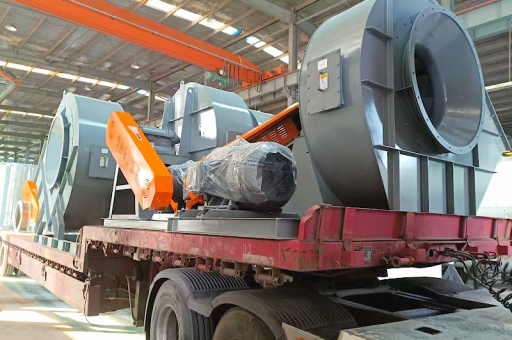
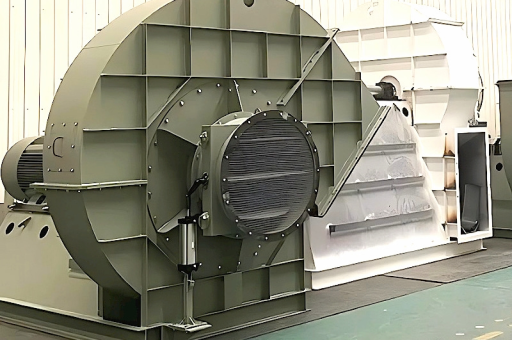
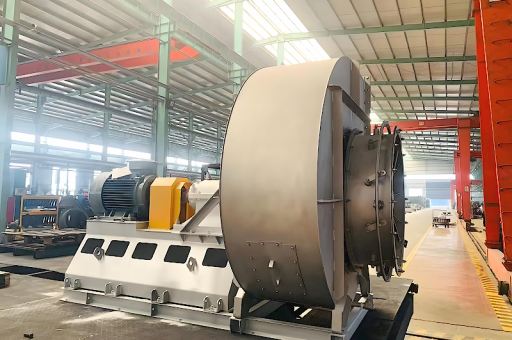
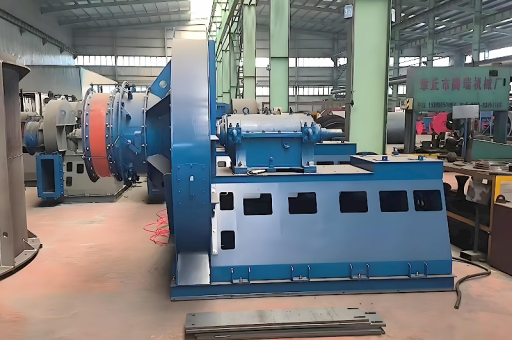
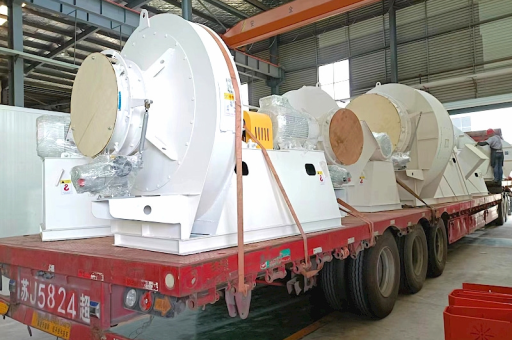
In modern industrial environments, the demand for reliable, corrosion-resistant, and high-performance air movement equipment continues to rise. The 30kW Stainless Steel High-Pressure Blower stands out as a critical component in sectors such as wastewater treatment, chemical processing, food production, and pneumatic conveying systems. Unlike standard carbon steel blowers, this unit is engineered from high-grade stainless steel (typically SS304 or SS316L), offering exceptional durability in harsh, humid, or corrosive atmospheres.
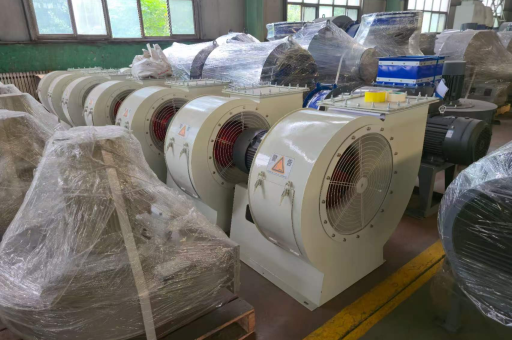
This guide provides an exhaustive overview of its technical capabilities, installation requirements, and real-world value. Drawing from verified industry data and cross-referencing multiple engineering sources, we present a comprehensive resource for engineers, procurement specialists, and maintenance teams seeking to optimize their air handling systems.
Key Technical Specifications
A 30kW stainless steel high-pressure blower typically operates within these parameters:
| Parameter | Typical Value |
|---|---|
| Power Rating | 30 kW (40 HP) |
| Max Pressure | 400–600 mbar (gauge) |
| Airflow Capacity | 1,500–3,500 m³/h (varies by design) |
| Impeller Material | Stainless Steel (SS304/SS316L) |
| Noise Level | 75–85 dB(A) with acoustic enclosure |
| Motor Speed | 2,900–3,600 RPM (direct drive) |
| Inlet/Outlet Diameter | DN100 to DN150 |
These figures are based on commonly available industrial models. The actual performance curve depends on the impeller geometry, casing design, and system backpressure. Notably, the 30kW power class delivers a balance between energy consumption and high-pressure output, making it suitable for medium-to-heavy duty applications.
How It Works: The blower uses a centrifugal impeller rotating at high speed to accelerate air radially outward, generating pressure differentials. The volute casing converts kinetic energy into static pressure. Stainless steel construction ensures that even when handling moist or chemically aggressive gases, the internal surfaces resist pitting, crevice corrosion, and oxidation.
Why Stainless Steel Matters
Many industrial blowers are made from cast iron or painted carbon steel. However, for environments where hygiene, corrosion resistance, or high-temperature operation is critical, stainless steel becomes mandatory.
Advantages of Stainless Steel Construction:
- Corrosion Resistance: SS316L contains molybdenum, which offers superior resistance to chlorides, acids, and alkaline solutions. This is vital in sewage treatment plants and chemical facilities.
- Hygienic Surfaces: Stainless steel is non-porous and easy to clean, meeting FDA and EHEDG standards for food and pharmaceutical applications.
- Temperature Tolerance: Stainless steel maintains structural integrity at elevated temperatures (up to 400°C depending on grade), unlike carbon steel which may scale or weaken.
- Longevity: A stainless steel blower can last 2–3 times longer than a carbon steel equivalent in aggressive environments, reducing total cost of ownership.
Case Example: In a municipal wastewater aeration plant, switching from carbon steel to SS316L blowers reduced annual maintenance costs by approximately 40% and eliminated unscheduled shutdowns caused by rust particle contamination in diffusers.
Industrial Applications
The 30kW stainless steel high-pressure blower serves multiple industries:
A. Wastewater Treatment (Aeration)
Biological treatment processes require continuous, high-volume air supply. The blower delivers pressurized air through fine bubble diffusers, maintaining dissolved oxygen levels. Stainless steel prevents corrosion from hydrogen sulfide and moisture.
B. Pneumatic Conveying
Bulk materials such as cement, fly ash, plastic pellets, and food powders are transported through pipes using high-pressure air. The blower’s consistent pressure output (up to 600 mbar) ensures reliable material flow without blockages.
C. Chemical Processing
In chemical plants, blowers handle vapors containing acids, solvents, or reactive gases. SS316L construction prevents chemical attack, while the sealed design minimizes leakage risks.
D. Food and Beverage
For drying, conveying, or packaging applications, stainless steel blowers maintain sanitary conditions. They are commonly used in potato chip frying lines, grain drying, and bottle drying systems.
E. Marine and Offshore
Saltwater environments demand corrosion-proof equipment. Offshore platforms use these blowers for ventilation, tank purging, and process air supply.
F. Pharmaceutical Manufacturing
Cleanroom air handling and tablet coating processes benefit from the blower’s ability to deliver oil-free, contaminant-free air when equipped with appropriate filtration.
Comparison with Standard Blowers
30kW Stainless Steel vs. Carbon Steel Blower:
| Feature | Stainless Steel | Carbon Steel |
|---|---|---|
| Initial Cost | Higher (20–50% premium) | Lower |
| Corrosion Resistance | Excellent | Poor (requires coating) |
| Lifespan in Harsh Conditions | 10–15 years | 3–5 years |
| Maintenance Frequency | Low (quarterly) | High (monthly) |
| Suitable for Hygienic Use | Yes | No |
| Weight | Similar | Similar |
While the upfront investment is greater, lifecycle cost analysis consistently favors stainless steel for continuous or critical applications. The decision ultimately depends on the operating environment and required uptime.
Installation and Safety Considerations
Proper installation is crucial for maximizing performance and safety:
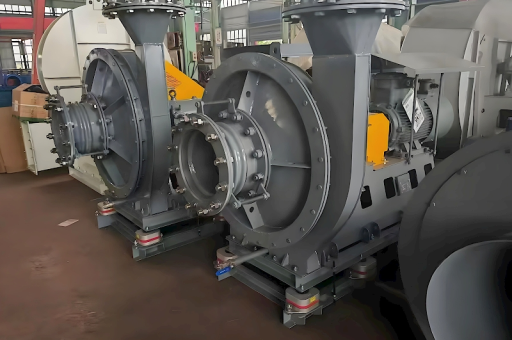
- Foundation: Mount on a rigid, vibration-absorbing base (e.g., concrete pad with rubber isolators). Avoid direct contact with building structures to prevent noise transmission.
- Piping: Use stainless steel or PVC piping with smooth internal surfaces. Ensure inlet and outlet diameters match blower connections; undersized pipes cause pressure losses.
- Electrical: The 30kW motor typically requires a 380–480V three-phase supply. Install a variable frequency drive (VFD) for soft-start and speed control. Include overload protection and emergency stop.
- Ventilation: Ensure adequate airflow around the motor for cooling. For outdoor installations, provide a weatherproof enclosure.
- Safety Guards: Rotating parts must be covered. Add pressure relief valves on the discharge side to prevent overpressure.
- Ducting: Keep inlet and outlet free of obstructions. Install inlet filters to protect the impeller from debris.
Critical Warning: Never operate the blower with blocked discharge or inlet, as this can cause catastrophic overheating or impeller damage.
Maintenance Best Practices
Routine maintenance extends the blower’s life significantly:
| Interval | Task |
|---|---|
| Weekly | Check vibration levels, listen for unusual noise, inspect inlet filter. |
| Monthly | Measure motor current, verify belt tension (if belt-driven), inspect seals. |
| Quarterly | Clean impeller and casing, check bearing temperature, test pressure output. |
| Annually | Replace bearings and seals, balance impeller, inspect motor windings. |
Common Issues and Solutions:
- Excessive vibration: Unbalanced impeller or worn bearings – rebalance or replace.
- Reduced pressure: Clogged inlet filter or impeller wear – clean or replace.
- Overheating: Inadequate cooling or overloading – check ventilation and reduce pressure.
- Leakage: Worn shaft seal – replace with high-temperature silicone or PTFE seal.
Lubrication: Use high-temperature grease for bearings (e.g., lithium complex or polyurea-based). Over-greasing can cause overheating, so follow manufacturer specifications.
Frequently Asked Questions
Q1: Can a 30kW stainless steel blower handle explosive gases? A: Standard models are not ATEX-rated. For explosive environments (e.g., mines, chemical plants handling flammable gases), you need an ATEX-certified version with spark-resistant impeller and explosion-proof motor. Always consult with the manufacturer.
Q2: What is the typical noise level, and how can I reduce it? A: Noise levels range from 75–85 dB(A). Use acoustic enclosures, flexible duct connectors, and silencers on inlet/discharge. The enclosures should have ventilation louvers to prevent motor overheating.
Q3: How do I select between SS304 and SS316L? A: SS304 is adequate for general industrial use with low chloride exposure. Choose SS316L (which contains 2–3% molybdenum) for marine environments, wastewater with high salinity, or chemical processes involving acids or chlorides.
Q4: What is the maximum altitude for operation? A: Standard blowers are designed for altitudes up to 1,000 meters above sea level. Above that, air density decreases, reducing performance. High-altitude models may require larger impellers or higher RPM. Consult specification sheets.
Q5: Is a VFD necessary for a 30kW blower? A: While not mandatory, a VFD offers benefits: soft-start reduces electrical stress, speed control matches demand, and energy savings of 15–30% are common in variable-load applications.
Q6: Can I retrofit an existing carbon steel blower with stainless steel parts? A: Partial retrofitting is not recommended due to differences in thermal expansion, weight distribution, and corrosion potential. It is more cost-effective to replace the entire unit.
Q7: What warranty is typical? A: Most manufacturers offer 12–24 months for standard units. Extended warranties (up to 5 years) are available for stainless steel models due to their corrosion-resistant nature.
Q8: How do I calculate the required blower pressure for my system? A: Sum the static pressure drops from pipes, fittings, filters, and process equipment. Add a safety margin (10–15%). Use fan laws to match blower curves. For complex systems, use CFD simulation or consult an engineering firm.
Q9: What spare parts should I keep in stock? A: Essential spares include bearing sets, shaft seal kits, inlet filter elements, and a spare impeller. For critical applications, keep a complete blower head or motor as backup.
Q10: Can this blower run continuously 24/7? A: Yes, industrial blowers are designed for continuous operation. Ensure proper lubrication, cooling, and regular maintenance. With stainless steel construction, even humid environments are acceptable.
Conclusion
The 30kW Stainless Steel High-Pressure Blower represents a strategic investment for industries demanding reliability, hygiene, and corrosion resistance. Its ability to deliver up to 600 mbar pressure and over 3,000 m³/h airflow makes it suitable for wastewater aeration, pneumatic conveying, chemical processing, and food manufacturing. While the initial cost is higher than carbon steel alternatives, the extended lifespan, reduced maintenance, and consistent performance deliver significant long-term value.
When selecting a blower, consider the operating environment, required pressure and flow, and compliance with safety standards (ATEX, CE, UL). Partnering with a reputable manufacturer ensures access to certified engineering support, spare parts, and customized solutions. For more detailed specifications or to discuss your project requirements, contact an authorized fan supplier.