This article's table of contents introduction:
- Table of Contents (Directory Guide)
- Introduction: What Defines a 110kW Stainless Steel High-Pressure Blower?
- Core Technical Specifications & Engineering
- Material Science: Why Stainless Steel Matters
- Key Application Scenarios Across Industries
- Performance Advantages Over Traditional Blowers
- Installation, Maintenance & Troubleshooting
- Frequently Asked Questions (FAQ)
- Conclusion: The Future of High-Pressure Aeration
*Unmatched Durability & Performance: The Complete Guide to the 110kW Stainless Steel High-Pressure Blower*
Table of Contents (Directory Guide)
- Introduction: What Defines a 110kW Stainless Steel High-Pressure Blower?
- Core Technical Specifications & Engineering
- Material Science: Why Stainless Steel Matters
- Key Application Scenarios Across Industries
- Performance Advantages Over Traditional Blowers
- Installation, Maintenance & Troubleshooting
- Frequently Asked Questions (FAQ)
- Conclusion: The Future of High-Pressure Aeration
Introduction: What Defines a 110kW Stainless Steel High-Pressure Blower?
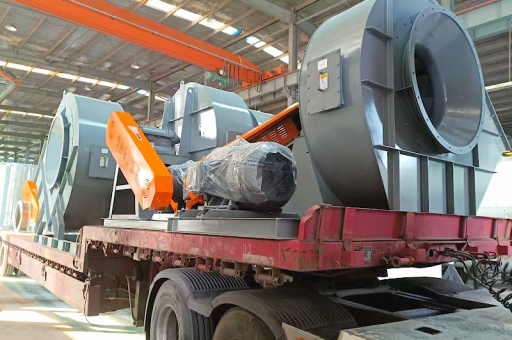
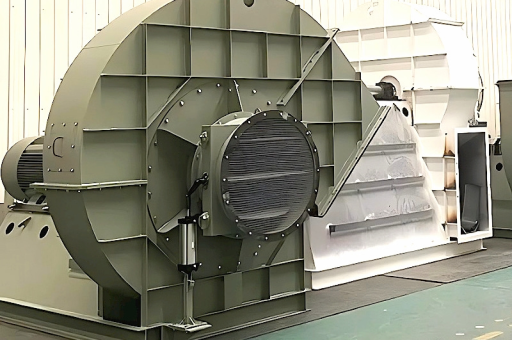
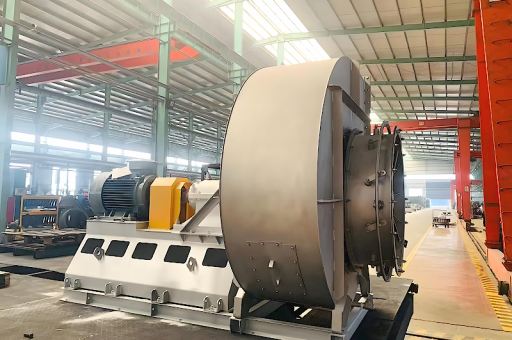
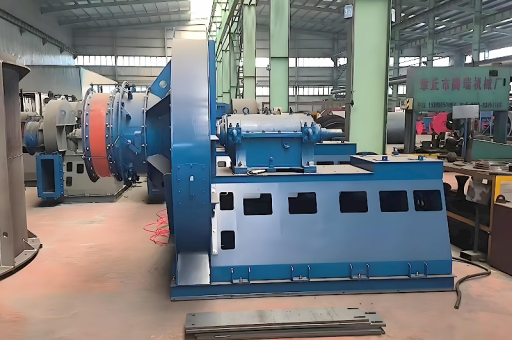
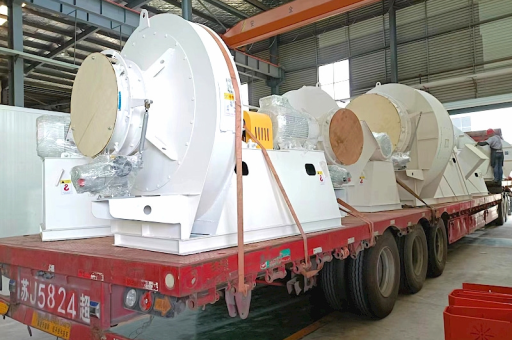
In the world of industrial air movement, few machines strike the balance between brute force and corrosion resistance as elegantly as the 110kW Stainless Steel High-Pressure Blower. This unit is not merely a fan; it is a high-performance, engineered solution designed for environments where standard carbon steel blowers fail catastrophically. The "110kW" rating signifies a motor capable of delivering massive airflow against high system resistance—typically producing pressures between 400 mbar to 1000 mbar, with flow rates varying by impeller design.
What sets this blower apart is its complete construction—or at least the critical wetted path—from stainless steel (typically SS304, SS316, or Duplex). This choice eliminates the risk of rust and chemical attack, making it the go-to equipment for wastewater treatment, pneumatic conveying of corrosive powders, and marine applications. Unlike generic high-pressure fans, this unit is engineered for continuous duty under extreme backpressure.
Core Technical Specifications & Engineering
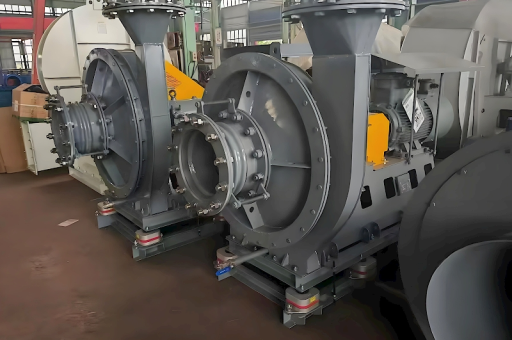
To appreciate the capability of this blower, one must understand its internal architecture. The 110kW Stainless Steel High-Pressure Blower usually operates as a multistage centrifugal or regenerative (side channel) unit, depending on the specific pressure and flow requirements.
- Power & Motor: 110 kW (approx. 147 HP). Motors are typically IE3 or IE4 efficiency rated, often equipped with VFD (Variable Frequency Drive) compatibility.
- Pressure Range: Typically 300 mbar to 1000 mbar. For multistage designs, even higher static pressures are achievable.
- Flow Rate: Dependent on impeller diameter and speed, usually ranging from 50 m³/min to 200 m³/min at lower pressures.
- Impeller Design: Closed or semi-open impellers made of cast stainless steel. Dynamic balancing is critical to reduce vibration.
- Bearings & Seals: Heavy-duty roller bearings with labyrinth seals or mechanical seals to prevent leakage of aggressive gases.
- Materials: Housing: SS304 or SS316L. Shaft: 17-4 PH stainless steel or equivalent. Fasteners: All stainless steel.
Engineering Insight: The key challenge in designing a 110kW Stainless Steel High-Pressure Blower is managing thermal expansion. Stainless steel expands at a different rate than carbon steel. Therefore, the clearance between the impeller and the casing must be carefully calculated by the manufacturer to prevent seizing when the blower reaches its operating temperature (which can exceed 150°C due to compression heat).
Material Science: Why Stainless Steel Matters
Why not just paint a carbon steel blower? The answer lies in pitting and crevice corrosion. In a carbon steel blower operating in a humid or chemical-laden environment, even a microscopic scratch in the paint will become an anode, causing rapid localized corrosion. The 110kW Stainless Steel High-Pressure Blower solves this at the molecular level.
- SS304 (1.4301): Suitable for clean water, food processing, and slightly acidic gases.
- SS316 (1.4401): Contains Molybdenum, offering superior resistance to chlorides and industrial chemicals. Ideal for wastewater lift stations and desulfurization processes.
- Duplex Stainless Steel: Used for extreme conditions like offshore platforms where salt spray is constant.
Furthermore, the use of stainless steel ensures hygienic operation. In pharmaceutical or food industries, the smooth, non-porous surface of stainless steel prevents bacterial growth and allows for easy cleaning with aggressive detergents (CIP/SIP systems).
Key Application Scenarios Across Industries
The versatility of the 110kW Stainless Steel High-Pressure Blower is unmatched. Here are the primary sectors that rely on this technology:
- Municipal & Industrial Wastewater Treatment: The most common application. Used for diffused aeration in biological treatment tanks. The high pressure overcomes the hydrostatic head of deep tanks, while the stainless steel construction resists the H2S (hydrogen sulfide) gas that eats standard blowers.
- Pneumatic Conveying: Moving cement, fly ash, or plastic pellets through long pipelines. The material contact is minimal, but the blower exhaust air must be clean and lubricant-free, which this unit provides.
- Chemical Processing: Transporting reactive gases or air that contains corrosive vapors (e.g., chlorine dioxide bleaching in paper mills).
- Marine & Offshore: Ballast water treatment, ventilation of fuel tanks, and deck air supply where saltwater spray is a constant threat.
- Food & Beverage: Bottle drying, air knife systems, and pneumatic transport of powdered sugar or flour.
Performance Advantages Over Traditional Blowers
When comparing a generic cast iron blower to a 110kW Stainless Steel High-Pressure Blower, the differences go beyond material cost.
| Feature | Standard Carbon Steel Blower | Stainless Steel Blower |
|---|---|---|
| Lifespan in Humid Environment | 2-3 years (rust) | 10+ years |
| Chemical Resistance | Low (requires coatings) | High (inherent) |
| Hygiene Compliance | Difficult (paint flakes) | Excellent (smooth finish) |
| Maintenance Cost | High (frequent painting/repair) | Low (durable) |
| Efficiency | Standard | Typically higher (precision casting) |
Energy Efficiency Note: Many high-quality 110kW Stainless Steel High-Pressure Blowers use advanced impeller geometries derived from computational fluid dynamics (CFD), resulting in lower specific energy consumption (kW per m³/min) compared to older lobe-style compressors.
Installation, Maintenance & Troubleshooting
Installation Essentials:
- Always install a filter silencer on the inlet. For a 110kW blower, this is critical to remove particulates that could damage the high-speed impeller.
- Use flexible connectors (stainless steel bellows) to prevent vibration transmission to the piping.
- Ensure the foundation is concrete and weighs at least 2.5x the blower weight to dampen vibration.
Maintenance Schedule:
- Daily: Check discharge temperature (should not exceed 180°C). Listen for unusual bearing noise.
- Monthly: Inspect inlet filter differential pressure.
- Quarterly: Check bolt torque on stainless steel flanges (thermal cycling can loosen them).
- Annually: Perform vibration analysis. Replace bearings (typical lifespan: 20,000 to 40,000 hours).
Common Troubleshooting:
- Low Pressure: Check for inlet blockage (dirty filter) or internal bypass (worn seals).
- Overheating: Check VFD settings; ensure the minimum speed is not too low (causes internal re-circulation).
- Vibration: Check for impeller imbalance due to material buildup—stainless steel can be cleaned with acid, unlike carbon steel.
Frequently Asked Questions (FAQ)
Q1: Can a 110kW Stainless Steel High-Pressure Blower run dry? A1: Yes, unlike liquid ring pumps, these blowers are designed for gas only. However, prolonged operation against a closed valve is dangerous and can cause thermal damage. Use a relief valve set at the maximum allowable pressure.
Q2: Is it worth the higher upfront cost compared to carbon steel? A2: Absolutely, if the environment is corrosive. The total cost of ownership (TCO) over 10 years is often 30-40% lower due to reduced downtime, painting, and replacement costs. For dry, clean indoor air, carbon steel may suffice.
Q3: What is the typical noise level? A3: An un-silenced 110kW blower can exceed 95 dB(A). A proper inlet and outlet silencer package is essential, bringing levels down to 75-80 dB(A).
Q4: Can I use a standard 3-phase motor start? A4: With 110kW, a soft starter or VFD is highly recommended to limit inrush current (which can be 6-8x FLA) and reduce mechanical stress on the drivetrain and ducting.
Q5: What is the difference between this and a compressor? A5: A high-pressure blower moves massive volumes at low-to-medium pressure (sub-1 bar). A compressor generates much higher pressure (2+ bar) but at much lower volumes. They serve different points on the air/gas movement curve.
Conclusion: The Future of High-Pressure Aeration
The 110kW Stainless Steel High-Pressure Blower represents the intersection of robustness and efficiency. As global regulations on wastewater discharge tighten and industries push for higher reliability, the demand for corrosion-resistant, high-efficiency air-moving equipment will only grow.
When specifying a blower for a critical application, do not neglect the material of construction. While the initial investment for a 110kW stainless steel unit is significant, the return in terms of operational lifespan and reduced maintenance downtime makes it the intelligent choice for engineers who plan for the long term. For sourcing, always consult with manufacturers who specialize in custom alloy fabrication to ensure your unit matches your specific gas chemistry. You can find more technical datasheets on industry-specific portals like fan [Note: Domain placeholder] for certified performance curves.