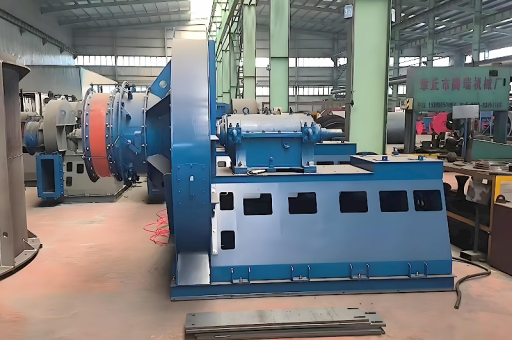
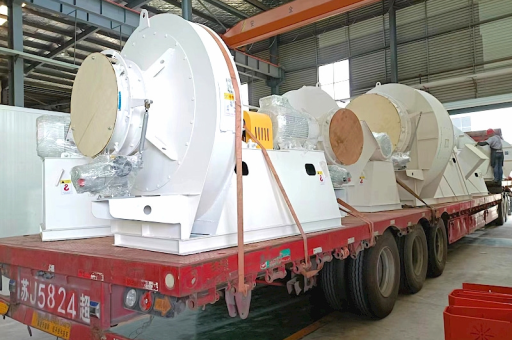
This article's table of contents introduction:
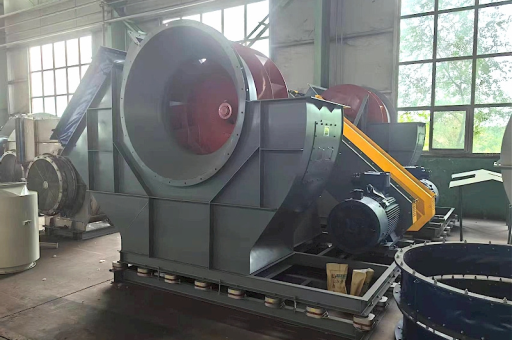
- Core Specifications Breakdown
- Key Design Features (What makes it special)
- Typical Applications
- Critical Questions You Must Answer Before Purchasing
- Potential Issues with this Specification
- Summary
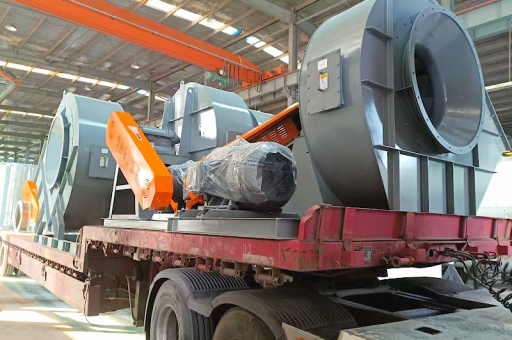
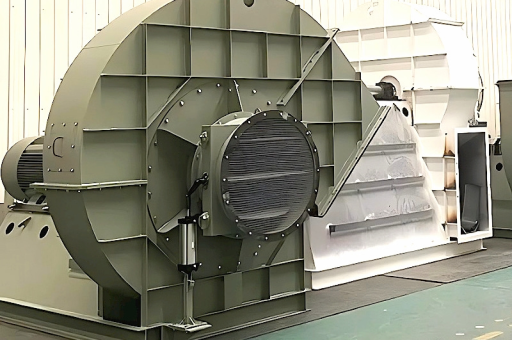
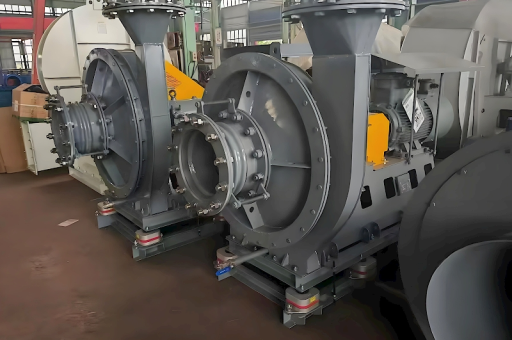
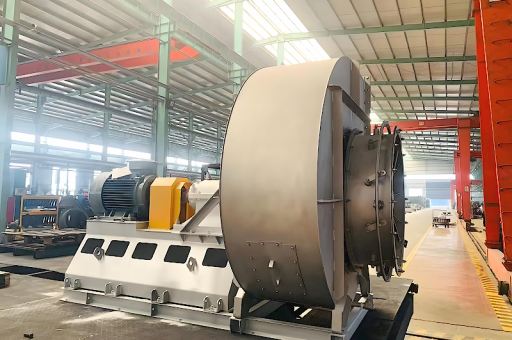
Based on the keywords provided, it sounds like you are describing a highly specific industrial fan used for moving flue gases, hot air, or process exhaust in demanding environments.
Here is a detailed breakdown of what a 11KW, 304 Stainless Steel, High-Temperature, High-Pressure Induced Draft Fan typically entails, including its specifications, applications, and design challenges.
Core Specifications Breakdown
- Power (11KW / ~15 HP): This is a substantial motor size. It indicates the fan is moving a significant volume of air (CFM) against a high resistance (pressure).
- Material (304 Stainless Steel):
- Corrosion Resistance: 304 SS is used for handling mildly corrosive gases, moisture, or steam. It offers good resistance to oxidation.
- Temperature Limitations: Standard 304 SS starts to lose its strength above 400°C (752°F) and can suffer from sensitization and corrosion at high temperatures. For truly "high-temp" (e.g., >500°C or 932°F), you would need 310S or 316L stainless steel.
- High-Temperature: This implies the fan is designed to move gas streams that are hot. This requires special design features (see below).
- High-Pressure: This refers to the static pressure the fan must overcome (measured in Pa, mmH₂O, or in. w.g.). This is not a standard blower; it has a robust, heavy-duty impeller (often backward-curved or radial blades).
- Induced Draft (ID): The fan is located after the heat source (e.g., boiler, furnace, dryer). It pulls (sucks) the hot gases out of the system and creates a negative pressure inside the chamber, which is critical for safety and efficiency.
Key Design Features (What makes it special)
A standard fan cannot handle this combination. A specialized unit must include:
- Shaft Cooling System: A "quill" or cooling fan must be mounted on the shaft between the impeller and the bearings to prevent heat transfer from the hot impeller (conduction) to the motor bearings.
- Water-Cooled Bearings (Optional but recommended): For continuous high-temperature operation (e.g., >200°C / 392°F), the bearing housing often requires water jackets to keep grease/lubricant from degrading.
- High-Temperature Expansion Joint: The impeller material (304 SS) must be designed to expand from room temperature to operating temperature without rubbing against the housing (volute).
- Motor Location: The motor is typically foot-mounted and isolated from the fan casing via a flexible coupling (belt drive) or a long direct-drive shaft.
- Radial or Backward Inclined Impeller: For high-pressure, radial-tip bladed wheels are common. They are stronger and more resistant to dust build-up than airfoil wheels.
Typical Applications
You would find this specific specification in:
- Industrial Boilers (Biomass, Coal, Heavy Oil): Pulling exhaust through a stack.
- Cement & Lime Kilns: Moving hot process air.
- Chemical Processing: Handling corrosive byproduct gases.
- Waste Incinerators: Maintaining negative pressure in the combustion chamber.
- Dryers (Rotary or Spray): Induced draft for removing moisture-laden hot air.
Critical Questions You Must Answer Before Purchasing
If you are looking to buy or specify this fan, you need to provide the following data to a manufacturer (e.g., Howden, New York Blower, Greenheck, or a local industrial fan maker):
- Actual Operating Temperature: Is it 150°C, 300°C, or 500°C? This determines if 304 SS is even suitable.
- Gas Composition: Is the gas dry or wet? Does it contain H₂S, SO₂, or chlorine compounds? (304 SS fails in high-chloride environments).
- Airflow (CFM / m³/hr) & Static Pressure (Pa / mmH₂O): An 11KW motor can move 10,000 CFM at low pressure OR 2,000 CFM at very high pressure.
- Duty Cycle: Is it running 24/7 or intermittently?
- Environment: Is the fan indoors or outdoors?
Potential Issues with this Specification
- 304 SS vs. 316L: If the system ever gets wet (condensation) while containing acidic gases (e.g., sulfur), 304 will rust (pitting corrosion) . You might actually need 316L for the impeller and housing.
- Vibration: High-pressure, high-temp fans are prone to unbalance due to thermal distortion or dust accumulation on the blades. An auto-balancing system or cleaning ports may be necessary.
- Cost: An 11KW high-temp stainless steel ID fan is significantly more expensive ($5,000 - $15,000+ USD, depending on vendor) than a standard galvanized fan.
Summary
An 11KW 304 SS High-Temp, High-Pressure Induced Draft Fan is a rugged, specialized piece of industrial equipment. Crucial check: Confirm that the gas temperature does not exceed 400°C and that the gas chemistry is compatible with 304 (not acidic). If the temperature is higher or the gas is acidic, you must upgrade to 310S or 316L stainless steel, or a ceramic coating.