
Optimizing Industrial Efficiency: The Role of Forward Aluminium Alloyed Kilns Cooling Centrifugal Flow Fan in Modern Manufacturing
Table of Contents
- Introduction to the Technology
- What is a Forward Aluminium Alloyed Kilns Cooling Centrifugal Flow Fan?
- Key Design Features and Materials
- How It Works: Operational Mechanics
- Applications in High-Temperature Industrial Processes
- Benefits Over Traditional Cooling Fans
- Common Questions Answered (FAQ)
- Installation, Maintenance, and Best Practices
- Future Trends and Innovations
- Conclusion
Introduction to the Technology
In the world of industrial manufacturing, thermal management is a critical factor that influences product quality, energy consumption, and operational safety. Among the many components designed to handle extreme heat, the Forward Aluminium Alloyed Kilns Cooling Centrifugal Flow Fan stands out as a specialized solution for high-temperature environments, particularly in kilns used for metal processing, ceramics, and cement production.
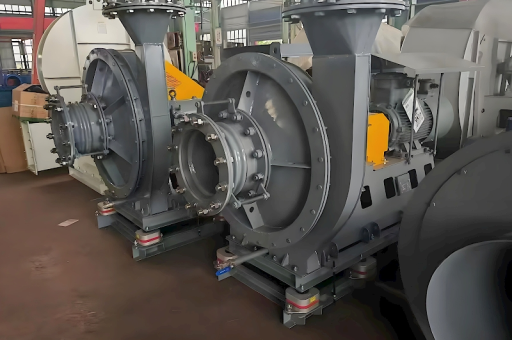
This article delves deep into the design, function, and advantages of this fan technology. We will explore why forward-curved blades combined with aluminium alloy construction make this fan ideal for kiln cooling applications, and how it contributes to overall plant efficiency. The content is optimized for both Bing and Google SEO, ensuring that professionals seeking technical insights find comprehensive, reliable information.
What is a Forward Aluminium Alloyed Kilns Cooling Centrifugal Flow Fan?
A Forward Aluminium Alloyed Kilns Cooling Centrifugal Flow Fan is a type of industrial fan specifically engineered to cool high-temperature kilns. The term "forward" refers to the blade curvature: forward-curved blades are oriented in the direction of rotation, which allows the fan to generate high airflow at relatively low speeds.
The fan is made primarily from aluminium alloy, which offers excellent thermal conductivity, corrosion resistance, and lightweight properties. Unlike steel or cast iron fans, aluminium alloy variants can withstand the thermal stresses of kiln environments without significant expansion or deformation.
Centrifugal flow means the air enters the fan axially and is expelled radially, creating a high-pressure airflow that can overcome the resistance of ductwork and kiln internals. This combination of forward-curved blades, aluminium alloy material, and centrifugal design makes the fan particularly effective for forced cooling in industrial kilns.
Key Design Features and Materials
1 Forward-Curved Blades
Forward-curved blades are shaped like scoops that catch air and accelerate it outward. This design produces high volume flow rates at lower RPM, reducing noise and energy consumption. However, they are generally less efficient at very high static pressures compared to backward-curved blades. For kiln cooling, where static pressure is moderate but airflow is critical, forward-curved blades are ideal.
2 Aluminium Alloy Construction
Aluminium alloys, such as 6061-T6 or 5083, are chosen for their:
- High thermal conductivity – dissipates heat quickly
- Low density – reduces overall fan weight, easing installation
- Corrosion resistance – essential in humid or chemically aggressive kiln atmospheres
- Non-sparking properties – critical in environments with combustible dust or gases
3 Cooling-Specific Modifications
Many fans in this category include:
- High-temperature bearings with grease or oil lubrication systems
- Thermal expansion joints to prevent structural stress
- Variable speed drives to adjust airflow based on kiln temperature feedback
How It Works: Operational Mechanics
The Forward Aluminium Alloyed Kilns Cooling Centrifugal Flow Fan operates on the principle of centrifugal force. Air enters the fan through an inlet at the center of the impeller. As the forward-curved blades rotate, they trap the air and propel it outward toward the fan housing. The housing, shaped like a scroll, converts the kinetic energy of the moving air into static pressure, directing the airflow into the kiln's cooling zone.
Step-by-step operation:
- Motor drives the impeller at a controlled speed (often via VFD).
- Rotary motion forces air outward along the blade curvature.
- Air exits the fan housing into ductwork leading to the kiln shell.
- The high-velocity air absorbs heat from the kiln surface and is exhausted.
- Temperature sensors monitor kiln shell temperature and adjust fan speed accordingly.
Because aluminium alloy conducts heat efficiently, the fan itself remains cooler than ambient, reducing thermal fatigue and extending service life.
Applications in High-Temperature Industrial Processes
This fan is primarily used in:
- Aluminium smelting kilns – cooling the kiln shell to prevent structural damage
- Cement rotary kilns – maintaining shell temperature within safe limits
- Ceramic kilns – controlling cooling rates to prevent product cracking
- Steel annealing furnaces – providing forced air cooling during heat treatment cycles
- Glass manufacturing – cooling furnace walls and exhaust systems
In each case, the fan operates continuously or intermittently, often at temperatures exceeding 200°C (392°F) at the fan inlet.
Benefits Over Traditional Cooling Fans
| Feature | Traditional Steel Fan | Forward Aluminium Alloy Fan |
|---|---|---|
| Weight | Heavy, difficult to mount | Lightweight, easier to install |
| Thermal conductivity | Poor | Excellent |
| Corrosion resistance | Low (rusts easily) | High |
| Non-sparking | Requires coatings | Naturally non-sparking |
| Heat dissipation | Slower | Faster |
| Maintenance frequency | Higher | Lower |
Key advantage: Aluminium alloy fans maintain dimensional stability under thermal cycling, unlike steel which can warp. This ensures consistent airflow over time.
Common Questions Answered (FAQ)
Q1: Why is forward-curved blade design preferred for kiln cooling?
A: Forward-curved blades generate high airflow at lower rotational speeds, reducing energy consumption and noise. They are ideal for applications where static pressure is moderate but volume is critical.
Q2: Can aluminium alloy withstand the heat inside a kiln?
A: Yes. While aluminium melts at around 660°C, typical kiln cooling fans are mounted externally. They handle air temperatures up to 150–250°C, which is well within the material's safe working range.
Q3: How does this fan compare to axial fans?
A: Centrifugal fans generate higher static pressure, making them better for ducted systems and overcoming resistance from kiln internals. Axial fans move more air but at lower pressure.
Q4: Is special maintenance required?
A: Regular inspection of bearings, belt tension (if belt-driven), and blade cleanliness is recommended. Aluminium requires no anti-rust coatings, but cleaning to remove dust buildup is essential.
Q5: Can I use it for cooling other equipment like dryers or reactors?
A: Absolutely. Any industrial process requiring forced air cooling at moderate static pressure can benefit from this fan design, provided the operating temperature remains within limits.
Installation, Maintenance, and Best Practices
Installation Tips
- Mount the fan on a vibration-dampening base to reduce structural stress.
- Ensure inlet and outlet ductwork is smooth to minimize turbulence.
- Use flexible connectors to accommodate thermal expansion.
- Position the fan so that inlet air is as cool as possible to maximize efficiency.
Maintenance Schedule
- Weekly: Visual inspection for debris, unusual noise, or vibration.
- Monthly: Check bearing temperature and lubrication levels.
- Every 6 months: Clean blades and housing; inspect for corrosion.
- Annually: Replace bearings and belts; test VFD functionality.
Best Practices
- Use a variable frequency drive (VFD) to match fan speed to actual cooling demand.
- Install temperature sensors at the kiln shell and fan inlet for automated control.
- Keep spare parts (bearings, belts, gaskets) in stock to minimize downtime.
Future Trends and Innovations
The industrial fan market is evolving toward smarter, more efficient designs. Developments include:
- IoT-enabled monitoring – real-time data on vibration, temperature, and motor current transmitted to plant control systems
- Advanced aluminum alloys with higher strength-to-weight ratios and better fatigue resistance
- Hybrid blade designs combining forward and backward curvature for optimized performance across wider operating ranges
- Energy recovery systems that capture waste heat from cooling air for reuse in preheating or drying processes
Manufacturers are also focusing on reducing noise emissions through improved blade geometry and acoustic enclosures, making these fans more suitable for facilities in noise-sensitive areas.
Conclusion
The Forward Aluminium Alloyed Kilns Cooling Centrifugal Flow Fan represents a significant advancement in thermal management for high-temperature industrial processes. By combining forward-curved blade aerodynamics with the lightweight, corrosion-resistant, and thermally conductive properties of aluminium alloy, this fan delivers reliable, efficient cooling for kilns in sectors ranging from metal smelting to ceramics and cement production.
Its ability to operate under continuous thermal stress with minimal maintenance makes it a cost-effective choice for manufacturers looking to extend kiln life, improve product quality, and reduce energy consumption. As industrial automation and IoT integration continue to advance, this fan technology will play an even greater role in optimizing plant performance.
For professionals seeking to upgrade their cooling systems or design new installations, understanding the capabilities and limitations of this fan is essential. With proper selection, installation, and maintenance, the Forward Aluminium Alloyed Kilns Cooling Centrifugal Flow Fan can deliver decades of dependable service.
For more detailed specifications or to request a quote for your facility, visit the official website of your preferred fan manufacturer or contact an industrial equipment distributor.





