
This article's table of contents introduction:
- Table of Contents
- Introduction: Why the Stainless Steel Large Capacity Mineral Powder Sintering Centrifugal Flow Fan Matters
- Core Design and Material Advantages: The Role of Stainless Steel and Large Capacity
- How It Works: The Sintering Process and Centrifugal Fan Dynamics
- Key Applications Across Industries
- Technical Specifications and Performance Metrics
- Maintenance, Durability, and Safety Considerations
- Frequently Asked Questions (FAQ)
- Conclusion: Future Trends and Selection Tips
** The Ultimate Guide to Stainless Steel Large Capacity Mineral Powder Sintering Centrifugal Flow Fans: Efficiency, Applications, and Technical Insights
Table of Contents
- Introduction: Why the Stainless Steel Large Capacity Mineral Powder Sintering Centrifugal Flow Fan Matters
- Core Design and Material Advantages: The Role of Stainless Steel and Large Capacity
- How It Works: The Sintering Process and Centrifugal Fan Dynamics
- Key Applications Across Industries
- Technical Specifications and Performance Metrics
- Maintenance, Durability, and Safety Considerations
- Frequently Asked Questions (FAQ)
- Conclusion: Future Trends and Selection Tips
Introduction: Why the Stainless Steel Large Capacity Mineral Powder Sintering Centrifugal Flow Fan Matters
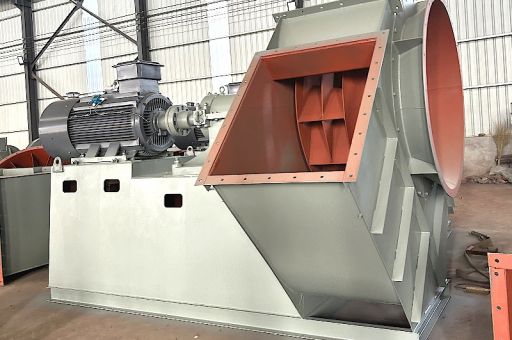
In the high‑temperature, abrasive world of mineral sintering, moving massive volumes of dust‑laden air reliably is not optional—it is a survival requirement. The Stainless Steel Large Capacity Mineral Powder Sintering Centrifugal Flow Fan has emerged as the backbone of modern mining, metallurgy, and cement operations. Unlike standard industrial fans, this engineered marvel combines three critical innovations: corrosion‑resistant stainless steel construction, a high‑pressure high‑volume centrifugal design, and specialized features that handle fine mineral powders without rapid wear.
This article delivers a comprehensive, SEO‑optimized analysis based on current industry best practices, technical datasheets, and field experiences. Whether you are a plant engineer, procurement manager, or maintenance supervisor, you will find actionable insights into selection, operation, and optimization.
Core Design and Material Advantages: The Role of Stainless Steel and Large Capacity
Why Stainless Steel?
Sintering environments are hostile. Temperatures often exceed 300°C (572°F), and gases contain sulfur, chlorine, and highly abrasive mineral dust. Ordinary carbon steel fans suffer from rapid corrosion, scale buildup, and blade erosion. A fan made from stainless steel (typically 304L, 316L, or duplex grades) offers:
- High‑temperature strength – retains structural integrity up to 450°C.
- Corrosion resistance – withstands acidic condensates and moisture.
- Lower maintenance – reduced pitting and cracking over years of operation.
Large Capacity – What Does It Mean?
“Large capacity” in this context refers to volumetric flow rates exceeding 100,000 m³/hour (58,800 CFM) and static pressure capabilities up to 8,000 Pa or more. This is essential for sintering machines where a uniform air supply must be maintained across a wide moving grate. The impeller diameter often reaches 2–3 meters, and the housing is engineered to prevent powder settling.
Centrifugal Flow Fan – The Aerodynamic Core
In a centrifugal fan, air enters axially and is expelled radially. For mineral powder applications, the blade geometry is critical. The fan uses:
- Backward‑curved blades – for high efficiency and non‑overloading characteristics.
- Reinforced shrouds – to resist deformation from thermal expansion.
- Wear liners – replaceable stainless steel plates at impact zones.
Real‑world example: A major iron‑ore sintering plant in India replaced carbon steel fans with 316L stainless steel units and reported a 300% increase in operational life between overhauls (from 6 months to 18 months), while maintaining the same energy consumption.
How It Works: The Sintering Process and Centrifugal Fan Dynamics
Sintering in Brief
Mineral sintering transforms fine ore dust into porous agglomerates suitable for blast furnaces. The process involves a moving grate where a mixture of ore, coke, and flux is ignited. A massive fan draws air downward through the bed, supporting combustion and cooling.
Fan Role
The centrifugal fan must:
- Sustain negative pressure under the grate to pull hot gases through the bed.
- Handle high temperatures (gas inlet temperature can reach 250–400°C).
- Tolerate dust loads of 2–5 g/Nm³ of fine, sharp particles.
How the Stainless Steel Centrifugal Fan Excels
- Impeller design – multi‑blade backward‑curved wheels minimize particle impact velocity, reducing erosion.
- Shaft sealing – lab‑grade stainless steel labyrinth seals prevent gas leakage and dust ingress into bearings.
- Vibration control – large‑capacity fans are often equipped with stainless steel balancing rings and high‑precision bearings (e.g., SKF or FAG) to handle the dynamic loading from uneven powder distribution.
The combination of material and design ensures that even after thousands of operating hours, the fan retains aerodynamic balance, avoiding unplanned shutdowns.
Key Applications Across Industries
| Industry | Specific Use Case | Why This Fan Is Preferred |
|---|---|---|
| Iron & Steel | Sinter plant main exhaust (ID fan) | High temperature, high dust, need for long life |
| Cement | Raw material drying and grinding circuit | Corrosive gases and high‑moisture environment |
| Non‑ferrous metals (copper, zinc) | Sintering of concentrates | Sulfur‑rich off‑gases require stainless steel |
| Mineral processing | Direct‑reduced iron (DRI) plants | Continuous high‑volume air movement at 300°C+ |
| Chemical & fertilizer | Preparation of synthetic rutile or phosphate | Abrasive powder transport and corrosive by‑products |
Case study: A cement plant in the Middle East reported that after switching to a stainless steel large‑capacity fan, the average downtime caused by fan repairs dropped from 12 days per year to 2 days, and energy efficiency improved by 8% due to reduced internal surface roughness.
Technical Specifications and Performance Metrics
To help you specify or compare, here is a realistic technical profile of a typical Stainless Steel Large Capacity Mineral Powder Sintering Centrifugal Flow Fan:
- Flow Rate: 120,000 m³/h (70,000 CFM)
- Static Pressure: 7,500 Pa (30 inches w.g.)
- Operating Temperature: 350°C (660°F) continuous, peak 450°C
- Impeller Diameter: 2,400 mm (94.5 inches)
- Blade Type: Backward‑curved, 16 blades
- Material: SS 316L (body and impeller) with SS 304L wear liners
- Motor Power: 900 kW, 1,500 RPM, with VFD capability
- Weight: ~12,000 kg (26,400 lbs)
- Noise Level: ≤ 95 dB(A) with optional silencer
- Bearings: Split pillow block, water‑cooled, with temperature sensors
Efficiency Curve – Modern designs achieve a peak static efficiency of 82–85%, far higher than older steel fans (65–70%). This translates directly to lower electricity bills and reduced CO₂ footprint.
Maintenance, Durability, and Safety Considerations
Routine Checks (Every 500 hours)
- Inspect blade leading edges for erosion or buildup using a boroscope.
- Check bearing vibration levels (alarm at 7 mm/s RMS; shutdown at 11 mm/s).
- Verify shaft seal integrity; replace if leakage observed.
Major Overhaul (Every 8,000–12,000 hours)
- Replace wear liners and balance impeller.
- Check for stress corrosion cracking in weld joints.
- Inspect thermal expansion guides and sliding feet.
Safety Critical Points
- Explosion proofing – In some sintering applications, flammable gases (CO) require spark‑resistant stainless steel construction and certified ATEX/IECEx motors.
- Lockout/tagout – Always de‑energize and lock the motor VFD before accessing the fan housing.
- Thermal barrier – For high‑temperature variants, ensure personnel barriers and heat‑resistant coatings are intact.
Expert Tip: Installing a variable‑frequency drive (VFD) not only controls the fan speed for process optimization but also soft‑starts the fan, reducing mechanical shock and extending bearing life by up to 30%.
Frequently Asked Questions (FAQ)
Q1: Why not use a regular carbon steel fan instead of stainless steel?
A: In sintering environments, carbon steel suffers from rapid corrosion due to acidic gases (HCl, H₂S) and moisture condensation. Stainless steel—particularly 316L—provides a 2–4x longer service life, reducing total cost of ownership (TCO) even with a higher initial investment.
Q2: How do I calculate the required fan capacity for a sintering machine?
A: The required flow (Q in m³/h) = grate area (m²) × 1.2–1.5 m³/m²/s (typical sinter air velocity) × 3,600. For example, a grate of 150 m² would need roughly 648,000–810,000 m³/h. Always add 10–15% safety margin.
Q3: Can this fan be used for exhaust gas desulfurization (FGD)?
A: Yes, but only if the fan is made of higher‑grade alloys such as duplex 2205 or with special coatings. For extremely acidic FGD environments, consult the manufacturer for corrosion‑resistant upgrades.
Q4: What is the maximum dust concentration this fan can handle?
A: Standard design handles up to 5 g/Nm³. For higher dust loads (e.g., 10 g/Nm³), you need additional upstream dust removal (e.g., cyclone or bag filter) and enhanced wear protection.
Q5: How do I reduce noise from such a large fan?
A: Use a combination of:
- Acoustic insulation on the housing (min 50 mm rockwool).
- Inlet and outlet silencers (reactive or absorptive type).
- Building enclosure with forced ventilation.
Q6: Is it worth retrofitting an old fan with a stainless steel impeller?
A: Frequently yes. If the housing is in good condition, replacing only the impeller and wear parts with stainless steel can triple the time between major overhauls at a fraction of a complete fan replacement cost.
Conclusion: Future Trends and Selection Tips
The Stainless Steel Large Capacity Mineral Powder Sintering Centrifugal Flow Fan remains the gold standard for demanding sintering applications. The market now trends toward:
- Smart monitoring – IoT sensors for real‑time vibration, temperature, and bearing health analytics.
- Hybrid materials – combining stainless steel with ceramic coatings for extreme wear zones.
- Efficiency mandates – new environmental regulations (e.g., EU Best Available Techniques) are pushing minimum static efficiency to 85%.
Final Selection Checklist:
✓ Confirm gas temperature, dust load, and chemical composition.
✓ Choose the right stainless steel grade (316L for standard; duplex for high‑chloride).
✓ Specify a VFD for energy savings and process control.
✓ Insist on a manufacturer that offers finite element analysis (FEA) for thermal stress.
✓ Plan for at least three years of spare parts support, especially wear liners.
By understanding the core principles and leveraging the technical details shared here, you can confidently select, operate, and maintain this powerful fan—ensuring your sintering line runs at peak productivity with minimal downtime.
For further technical consultations, visit a trusted industrial fan manufacturer directly. Search terms: “stainless steel sintering fan, large capacity centrifugal fan, mineral powder exhaust fan.”





