
This article's table of contents introduction:
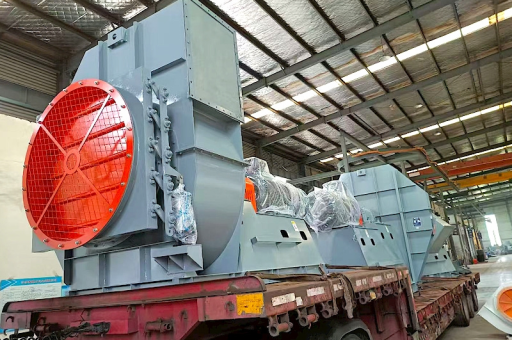
- What is HG785?
- Suitability for Centrifugal Fan in Drying
- Specific Use Cases for HG785 in Drying
- Recommended Material Alternatives for the Fan Housing
- Final Recommendation for Your Project
Based on your query, you are likely looking for information on using HG785 high-strength alloy steel for the construction of a Centrifugal Flow Fan impeller or housing, specifically for a Drying Application.
Here is the breakdown of material properties, suitability, and considerations for this specific combination.
What is HG785?
HG785 is a Chinese standard (GB/T) high-strength, low-alloy (HSLA) structural steel. It is similar to European standards like S690QL or US standards like T-1 (100 ksi yield).
- Yield Strength: ≥ 690 MPa (100,000 psi)
- Tensile Strength: 785–940 MPa
- Key Properties: High strength-to-weight ratio, good toughness, and weldability (when preheated).
Suitability for Centrifugal Fan in Drying
The "Why" (Advantages)
- High Speed / High Pressure: HG785 allows for a thinner impeller design. In drying systems, if you need high static pressure (e.g., for pneumatic conveying of dry material or forcing air through deep product beds), a high-strength steel impeller can spin faster without failing due to centrifugal stress.
- Weight Reduction: A lighter impeller reduces bearing load and critical shaft deflection, extending fan life.
- Resonance Avoidance: Higher stiffness allows designers to push natural frequencies (critical speeds) higher, avoiding resonance in variable speed drives.
The "But" (Critical Challenges for Drying)
-
Corrosion vs. Abrasion: Drying applications often involve hot, humid air or chemically aggressive vapors (e.g., exhaust from wood drying, sludge drying, or coating ovens). HG785 is NOT stainless steel. It has very low chromium content. If moisture, acidic condensation, or corrosive fumes are present, the fan will rust quickly.
- Verdict: Poor choice for condensing/drying if corrosion is present. You would need a heavy-duty epoxy, rubber lining, or stainless steel (e.g., 304L or 316L) for corrosive dryers.
-
Weldability: HG785 requires strict preheat (typically 150°C–200°C / 300°F–400°F) and post-weld heat treatment to avoid hydrogen cracking. If the welding shop is not certified for high-strength steel, the fan could fail catastrophically (disc burst) at high RPM.
-
Abrasion: If the drying process involves particulates (sand, grain, sawdust, cement), the HG785 steel is hard but not necessarily abrasion-resistant enough for the leading edges of the blades. For severe abrasion, you might need AR400 (abrasion resistant) steel or hard-facing overlay.
Specific Use Cases for HG785 in Drying
GOOD Fit (Recommended):
- Air Knife or Blower for Clean Drying: For blowing hot, clean, filtered air (e.g., in textile or food drying) where there is no process condensation returning to the fan.
- High-Temperature Process Gas (Non-Corrosive): For circulating neutral gases (N2, clean flue gas) at temperatures up to ~350°C (660°F), where strength retention is needed.
- Pneumatic Conveying Blower: For dense-phase drying systems (e.g., drying plastic pellets in a hot air stream).
BAD Fit (Not Recommended):
- Wastewater/Sludge Dryer Exhaust: Contains H2S, Chlorides, and high moisture. Use 316L SS or Duplex.
- Agricultural Dryer (Grain/Rice): High humidity and dust. Use Corten/weathering steel or stainless.
- Chemically Aggressive Drying: (Solvent recovery, paint drying). Use 304L or coated carbon steel.
Recommended Material Alternatives for the Fan Housing
| Material | Strength | Corrosion Resistance | Abrasion Resistance | Cost |
|---|---|---|---|---|
| HG785 | Very High | Low | Moderate | Medium |
| Q345B (Standard) | Moderate | Low | Low | Low |
| 304 Stainless | Moderate | High | Moderate | High |
| 316L Stainless | Moderate | Very High | Moderate | Very High |
| Q235B + Rubber Lining | Low | High (lining) | Low | Medium |
Final Recommendation for Your Project
If you are building a fan specifically for materials drying:
- For the Impeller (Rotating part): HG785 is excellent if the drying air is clean and hot (e.g., >150°C). It allows a lighter, stronger impeller. However, ensure the supplier is experienced welding HG785 (preheat + PWHT).
- For the Housing (Casing): Do not use HG785. It is overkill. The housing does not spin, so it doesn't need the high strength. Use standard Q345B (or equivalent) for the housing, and protect it with a high-temp anti-corrosion paint (e.g., zinc-rich primer + silicone epoxy).
- If the drying gas has ANY moisture or fumes: Switch the entire fan (impeller + housing) to 304L Stainless Steel. The extra cost of stainless is cheaper than the downtime caused by replacing a failed HG785 impeller that rusted and unbalanced.
Action Item: Ask your engineer the dew point of the drying exhaust. If the fan inlet temperature drops below 80°C at any point, condensing water will appear, and HG785 will rust. If so, go stainless.





