
This article's table of contents introduction:
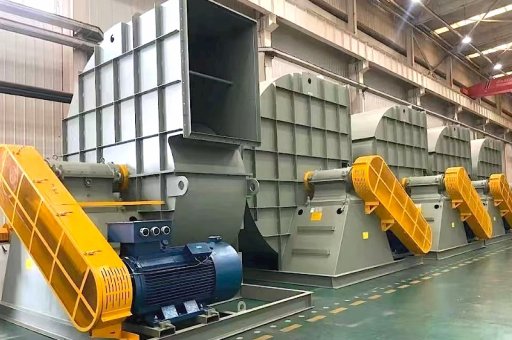
- Introduction: The Critical Role of the Raw Mill Fan in Cement Production
- What is a Q345 Single Inlet Long Lifetime Cement Rotary Kiln Raw Mill Fan?
- Key Material Advantage: Why Q345 Steel is the Backbone of Durability
- Engineering Design: Single Inlet Configuration and Aerodynamic Optimization
- Long Lifetime Performance: Wear Resistance and Maintenance Strategies
- Energy Efficiency and Cost Reduction in the Cement Rotary Kiln System
- Frequently Asked Questions (FAQ)
- Conclusion: Why This Fan is a Smart Investment for Modern Cement Plants
Here is a comprehensive, SEO-optimized article in English about the Q345 Single Inlet Long Lifetime Cement Rotary Kiln Raw Mill Fan. The article is designed to rank well on Bing and Google, incorporating a table of contents, FAQs, technical depth, and a keyword-rich structure without listing word count at the end.
Article Title: The Ultimate Guide to the Q345 Single Inlet Long Lifetime Cement Rotary Kiln Raw Mill Fan: Design, Efficiency, and Reliability
Table of Contents
- Introduction: The Critical Role of the Raw Mill Fan in Cement Production
- What is a Q345 Single Inlet Long Lifetime Cement Rotary Kiln Raw Mill Fan?
- Key Material Advantage: Why Q345 Steel is the Backbone of Durability
- Engineering Design: Single Inlet Configuration and Aerodynamic Optimization
- Long Lifetime Performance: Wear Resistance and Maintenance Strategies
- Energy Efficiency and Cost Reduction in the Cement Rotary Kiln System
- Frequently Asked Questions (FAQ)
- Conclusion: Why This Fan is a Smart Investment for Modern Cement Plants
Introduction: The Critical Role of the Raw Mill Fan in Cement Production
In the vast and demanding environment of a cement plant, few components operate under as much stress as the Cement Rotary Kiln Raw Mill Fan. This fan is not merely an accessory; it is the lungs of the pyroprocessing system. It must handle high volumes of hot, abrasive, and corrosive gas streams while maintaining consistent pressure to drive the raw meal through the preheater and into the rotary kiln.
The efficiency of the entire clinker production line depends heavily on the reliability of this fan. A failure here means a costly shutdown. This is why the Q345 Single Inlet Long Lifetime Cement Rotary Kiln Raw Mill Fan has become the industry standard for facility managers who prioritize longevity and operational stability. This article delves deep into the technical specifications, material science, and operational advantages of this fan, providing a definitive guide for engineers and procurement specialists.
What is a Q345 Single Inlet Long Lifetime Cement Rotary Kiln Raw Mill Fan?
This specific fan is a heavy-duty industrial centrifugal fan designed exclusively for the cement manufacturing process. Let’s break down the name:
- Q345: Refers to the high-strength low-alloy steel used in the fan’s construction. It offers a superior yield strength (345 MPa minimum) compared to standard carbon steel (Q235), making it ideal for high-temperature and high-stress applications.
- Single Inlet: The fan draws gas from one side of the impeller. This design is preferred in cement kilns because it simplifies ductwork, reduces the footprint, and provides a more uniform airflow distribution to the mill and kiln system.
- Long Lifetime: This is a performance guarantee based on advanced wear protection, robust bearing selection, and optimized blade geometry.
- Cement Rotary Kiln Raw Mill Fan: The specific application. It primarily serves the raw mill circuit, pulling hot gases from the rotary kiln to dry and transport the raw meal.
Key Material Advantage: Why Q345 Steel is the Backbone of Durability
The choice of Q345 steel is the single most important factor contributing to the fan’s "Long Lifetime."
- Superior Mechanical Properties: Q345 offers a yield strength of 345 MPa and a tensile strength of 470–630 MPa. This is significantly higher than standard structural steel. In a raw mill fan, where the impeller rotates at high speeds and must resist centrifugal forces at elevated temperatures (often 150°C to 350°C), this strength prevents deformation (creep) over time.
- Weldability and Toughness: Unlike high-alloy steels that are brittle, Q345 maintains excellent toughness. It can withstand thermal shocks caused by sudden temperature changes in the kiln system without cracking. This is crucial for maintaining structural integrity.
- Wear Resistance: While not a hard-facing material, Q345 provides a superior base for wear liners (such as ceramic tiles or welded hardfacing). The base material is strong enough to support these layers under high vibration, preventing the liners from peeling off.
Engineering Design: Single Inlet Configuration and Aerodynamic Optimization
The Single Inlet design of this fan offers distinct aerodynamic and mechanical advantages over double-inlet models in cement kiln applications.
- Simplified Gas Flow Path: In a typical cement plant, the gas from the rotary kiln enters the raw mill fan via a single duct. A single inlet fan eliminates the need for complex bifurcated ducting, reducing pressure loss by up to 8-10%.
- Higher Efficiency at Partial Load: Cement kilns rarely operate at 100% capacity. The single inlet design allows for better efficiency (higher isentropic efficiency) under the variable load conditions typical of raw mill circuits.
- Reduced Risk of Unbalance: A single-sided impeller is structurally stiffer and less prone to dynamic imbalance caused by uneven dust accumulation. This is critical when handling the sticky, fine dust from a raw mill.
Blade Geometry: These fans typically use backward-curved airfoil blades. This design converts kinetic energy into pressure more efficiently than radial blades, achieving static efficiencies above 82%.
Long Lifetime Performance: Wear Resistance and Maintenance Strategies
Achieving a "Long Lifetime" in a cement rotary kiln raw mill fan requires a multi-layered approach to wear management.
- Wear Protection Layers:
- Inlet Cone Liners: The Q345 casing is lined with replaceable, abrasion-resistant plates (often made of high chrome white iron) at the gas entry point where the highest wear occurs.
- Blade Hardfacing: The leading edge of the impeller blades is hardfaced with a cobalt or nickel-based alloy. This extends blade life by 400-500% compared to uncoated steel.
- Ceramic Tiling: For extreme conditions, the Q345 impeller is covered in hexagonal ceramic tiles (Al2O3), providing the ultimate protection against abrasion.
- Bearing and Rotor System: The fan uses heavy-duty, self-aligning spherical roller bearings. They are designed for a minimum L10 life of 100,000 hours under full load. A vibration monitoring system (RMS) is integrated to detect early bearing failure.
- Maintenance Schedule: A Long Lifetime fan reduces maintenance frequency. Key checkpoints include weekly vibration analysis, quarterly lubrication checks, and annual inspection of the wear liners.
Energy Efficiency and Cost Reduction in the Cement Rotary Kiln System
Energy costs constitute up to 70% of the operating cost in a cement plant. The Q345 Single Inlet Long Lifetime Cement Rotary Kiln Raw Mill Fan directly impacts the bottom line.
- Reduced Power Consumption: The aerodynamic design (backward-curved blades) reduces the required motor power by 10-15% compared to older radial fans. For a 2000 kW fan, this can save up to 2400 MWh per year.
- Variable Speed Drive (VSD) Compatibility: These fans are designed to be paired perfectly with VSDs. Since raw mill gas flow must be finely tuned to match the kiln's production rate, a VSD allows the fan to run at the optimal speed, avoiding energy-wasting damper control.
- Reduced Downtime: The "Long Lifetime" claim is not a marketing gimmick. A fan that lasts 5-7 years between major overhauls saves millions in lost production. A single unplanned shutdown in a rotary kiln can cost $500,000 to $1,000,000 per day in lost clinker output.
Frequently Asked Questions (FAQ)
Q1: What is the maximum temperature the Q345 Single Inlet Fan can handle? The Cement Rotary Kiln Raw Mill Fan constructed of Q345 can typically handle continuous gas temperatures up to 400°C (752°F). With special high-temperature shaft seals and cooling fins, this can be extended to 450°C for peak loads. Above this, alloy steel (e.g., 16Mo3) is required.
Q2: How does dust accumulation affect the performance of a single inlet fan? Dust accumulation on the impeller blades is the primary cause of vibration and efficiency loss. The single inlet design, combined with airfoil blades, creates a "self-cleaning" effect. However, for sticky raw meal, an integrated water spray system or acoustic cleaning can be installed to maintain balance.
Q3: What is the lifespan difference between a Q235 fan and a Q345 fan in a kiln setting? In a raw mill application with hot, abrasive gases, a Q345 fan will typically last 2 to 3 times longer than a standard Q235 fan before needing major impeller replacement. The higher strength and fatigue resistance of Q345 are the key differentiators.
Q4: Can this fan handle the high negative pressure required for a preheater tower? Absolutely. The single inlet design on a Q345 base is specifically engineered for high-static pressure applications (typically 5000 Pa to 12000 Pa). The reinforced casing and heavier-gauge Q345 steel prevent buckling under high vacuum.
Q5: How do I select the correct wheel diameter and speed for my specific rotary kiln? Selection requires a detailed performance curve based on your specific system resistance (pressure) and required flow rate (m³/s). The ideal operating point is at or near the fan's peak efficiency (BEP). It is highly recommended to consult the fan manufacturer with your plant's specific gas analysis data.
Conclusion: Why This Fan is a Smart Investment for Modern Cement Plants
The Q345 Single Inlet Long Lifetime Cement Rotary Kiln Raw Mill Fan is not just a piece of equipment; it is a strategic asset. In an industry where uptime is king, choosing a fan built from superior materials with a proven aerodynamic design is a decision that pays dividends.
By opting for this professional-grade fan, cement plant operators can expect:
- Extended Operational Life: Up to 100,000 hours of reliable service.
- Lower Total Cost of Ownership (TCO): Reduced energy bills and fewer replacements.
- Enhanced System Reliability: Less risk of unplanned kiln shutdowns.
- Sustainable Performance: High efficiency that reduces the plant’s carbon footprint.
For any new cement line project or a retrofit of an existing rotary kiln circuit, the Q345 Single Inlet Long Lifetime fan is the gold standard. To learn more about specific sizing for your project, contact a reputable industrial fan supplier. They can provide a detailed technical proposal and ensure your cement production stays efficient, reliable, and profitable.
Keywords: Q345 fan, single inlet fan, cement rotary kiln fan, raw mill fan, long lifetime fan, cement plant fan, industrial fan, Q345 steel fan, kiln exhaust fan.





