
This article's table of contents introduction:
- Table of Contents
- Introduction: What Is a Primary Air Stainless Steel Blower High Pressure Centrifugal Fan?
- How It Works: The Engineering Behind High Pressure Centrifugal Performance
- Why Stainless Steel? Material Advantages for Primary Air Systems
- Key Applications: From Power Plants to Pneumatic Conveying
- Performance Metrics You Must Know: Pressure, Flow, and Efficiency
- Frequently Asked Questions (FAQs)
- Maintenance and Longevity: Best Practices for Industrial Fans
- Conclusion: Selecting the Right Fan for Your Operation
** The Ultimate Guide to Primary Air Stainless Steel Blower High Pressure Centrifugal Fan: Applications, Benefits, and Technical Insights
Table of Contents
- Introduction: What Is a Primary Air Stainless Steel Blower High Pressure Centrifugal Fan?
- How It Works: The Engineering Behind High Pressure Centrifugal Performance
- Why Stainless Steel? Material Advantages for Primary Air Systems
- Key Applications: From Power Plants to Pneumatic Conveying
- Performance Metrics You Must Know: Pressure, Flow, and Efficiency
- Frequently Asked Questions (FAQs)
- Maintenance and Longevity: Best Practices for Industrial Fans
- Conclusion: Selecting the Right Fan for Your Operation
Introduction: What Is a Primary Air Stainless Steel Blower High Pressure Centrifugal Fan?
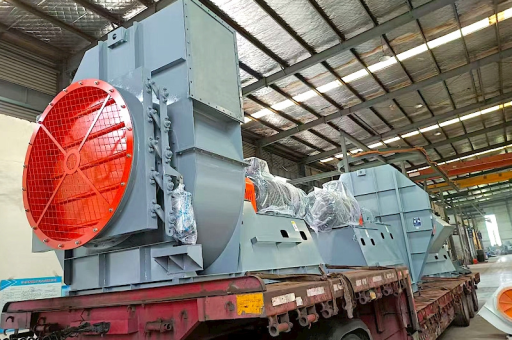
In modern industrial ventilation, combustion, and material handling systems, the Primary Air Stainless Steel Blower High Pressure Centrifugal Fan plays a critical role. This specialized fan is designed to deliver a steady, high-pressure airflow—often referred to as “primary air”—into boilers, furnaces, or pneumatic transport lines. Its construction from stainless steel ensures corrosion resistance, high-temperature tolerance, and long service life, even in harsh environments.
Unlike standard centrifugal fans, this unit is engineered for continuous duty under demanding conditions. The impeller, housing, and inlet cone are precision-balanced to minimize vibration and maximize aerodynamic efficiency. Whether you are operating a coal-fired power plant, a wind turbine auxiliary cooling system, or a chemical processing facility, this fan provides the consistent static pressure needed to move air through ducts, filters, and burners.
Key takeaway: This fan is not a generic blower. It is a heavy-duty, corrosion-resistant, high-pressure solution for applications where reliability and air purity are non-negotiable.
How It Works: The Engineering Behind High Pressure Centrifugal Performance
A centrifugal fan generates pressure by accelerating air radially outward using a rotating impeller. In the Primary Air Stainless Steel Blower High Pressure Centrifugal Fan, the design is optimized for a high pressure coefficient while maintaining stable flow.
- Impeller Design: Backward-curved or radial blades are common. Backward-curved blades provide higher efficiency and non-overloading power characteristics, while radial blades excel in handling particulate-laden air.
- Housing (Volute): The spiral-shaped casing converts velocity energy into static pressure. A properly matched volute reduces turbulence and noise.
- Inlet and Outlet: A bell-mouth inlet reduces entry losses. The outlet can be oriented to match ductwork (e.g., top horizontal, bottom horizontal, or angular discharge).
Why stainless steel matters here: The impeller and housing are often exposed to moisture, acidic gases, or elevated temperatures (up to 400°C or higher). Stainless steel grades like 304 or 316L resist oxidation and pitting, ensuring the fan maintains its aerodynamic profile over years of service.
Why Stainless Steel? Material Advantages for Primary Air Systems
The choice of stainless steel is not arbitrary. It is a deliberate engineering decision driven by four factors:
| Material Property | Benefit for Primary Air Fan |
|---|---|
| Corrosion resistance | Withstands moisture, sulfur compounds, and chemical fumes. |
| High-temperature strength | Maintains structural integrity at elevated temperatures. |
| Hygiene and cleanliness | Non-porous surface prevents bacterial growth (critical for food or pharmaceutical air). |
| Durability | Reduces maintenance frequency and extends service life by 2–3x compared to carbon steel. |
For example, in a wind turbine nacelle cooling system, the fan must operate in a marine environment with salt-laden air. A stainless steel fan prevents rust that could clog filter systems or cause imbalance failures. Similarly, in primary air applications for biomass boilers, the stainless steel construction resists acidic condensates.
Key Applications: From Power Plants to Pneumatic Conveying
The Primary Air Stainless Steel Blower High Pressure Centrifugal Fan is deployed across diverse industries:
- Power Generation: Supplying primary air to coal or biomass pulverizers and burners. The high static pressure (up to 20–40 kPa) ensures proper fuel-air mixing and flame stability.
- Wind Turbine Auxiliary Systems: Cooling generators, gearboxes, and control cabinets. The fan must operate reliably in remote locations with minimal maintenance.
- Pneumatic Conveying: Transporting powders, pellets, or granules through pipelines. The constant pressure overcomes frictional losses in long ducts.
- Chemical and Pharmaceutical: Moving corrosive gases or sterile air. Stainless steel prevents contamination.
- Waste Treatment: Aeration in biofilters or exhaust systems for odorous air.
Case in point: A cement plant uses this fan to preheat combustion air. The fan operates at 350°C, handling dust-laden air. Stainless steel (316L) impellers resist erosion from silica particles.
Performance Metrics You Must Know: Pressure, Flow, and Efficiency
When selecting a Primary Air Stainless Steel Blower High Pressure Centrifugal Fan, engineers evaluate three critical parameters:
- Static Pressure (Pₛ): The resistance the fan must overcome. Measured in Pa or inH₂O. High-pressure fans typically deliver 10,000–50,000 Pa.
- Airflow (Q): Volume flow rate in m³/h or CFM. Sizing must match duct diameters and process requirements.
- Fan Efficiency (η): Ranges from 65% to 85% for well-designed units. Higher efficiency reduces energy costs.
How to read a fan curve: The performance curve plots pressure vs. flow at a given RPM. The operating point is where the fan curve intersects the system resistance curve. A stainless steel fan maintains consistent performance over a wider temperature range because thermal expansion is minimal compared to plastic or aluminum.
Pro tip: Always oversize the motor by 10–15% to handle start-up inertia and potential air density changes (e.g., at high altitudes).
Frequently Asked Questions (FAQs)
Q1: What is the difference between a primary air fan and a secondary air fan?
A primary air fan supplies air directly to the fuel preparation or combustion zone (e.g., at the burner nozzle). Secondary air fans provide over-fire air or cooling air. The primary air fan often requires higher static pressure because it must penetrate fuel beds and overcome narrow nozzles.
Q2: Can I use a stainless steel fan for exhaust applications?
Yes, if the exhaust contains corrosive gases or high moisture. For example, in a wind turbine brake cooling exhaust, a stainless steel fan withstands debris and salt spray.
Q3: How often should I inspect the impeller?
At least every 6 months. Look for signs of erosion, pitting, or imbalance. Stainless steel impellers are less prone to rust but can suffer from fatigue at welded joints.
Q4: Does the fan need a variable frequency drive (VFD)?
Highly recommended. A VFD allows you to adjust airflow to match process demand, reducing energy consumption by up to 30% compared to fixed-speed operation.
Q5: What is the typical lifespan of a stainless steel centrifugal fan?
With proper maintenance (bearing lubrication, clean filters), 15–20 years. In harsh environments like a lime kiln, expect 8–12 years.
Maintenance and Longevity: Best Practices for Industrial Fans
To maximize the life of your Primary Air Stainless Steel Blower High Pressure Centrifugal Fan, follow these guidelines:
- Bearing Care: Use high-temperature grease. Replace bearings every 5,000–10,000 operating hours.
- Belt Tension: Check monthly. Loose belts cause slippage and reduce pressure output.
- Impeller Cleaning: Remove dust and debris. In pneumatic conveying, accumulated material can cause unbalance.
- Vibration Monitoring: Install accelerometers. A sudden increase in vibration indicates bearing wear or impeller fouling.
- Corrosion Inspection: Even stainless steel can suffer from chloride stress corrosion cracking in marine environments. Wash the housing with fresh water periodically.
Proactive replacement schedule: Replace the impeller every 10 years in clean-service applications. For abrasive services (e.g., fly ash handling), consider a wear-resistant coating or thicker blade profiles.
Conclusion: Selecting the Right Fan for Your Operation
The Primary Air Stainless Steel Blower High Pressure Centrifugal Fan is a cornerstone of reliable industrial air movement. Its stainless steel construction offers unmatched corrosion resistance and temperature stability, making it ideal for power generation, wind turbine cooling systems, and chemical processing.
When selecting a fan, match the pressure-flow curve to your system’s resistance. Prioritize backward-curved impellers for efficiency and radial impellers for dust-laden air. Always require a certified performance curve and material test certificates.
Final recommendation: For operations that demand continuous, high-pressure air—especially in corrosive or high-temperature environments—invest in a stainless steel centrifugal fan from a reputable manufacturer. The upfront cost is offset by longer life, lower maintenance, and energy savings. Whether you are designing a new plant or upgrading existing equipment, this fan category delivers the performance and durability that modern industry requires.





