
This article's table of contents introduction:
- What this equipment is
- Typical Applications
- Key Specifications to Define for a Quote
- Common Construction Features for High Temp ID Fans
- Alternative / Manufacturer Names
- Manufacturers (Examples)
- Critical Warnings
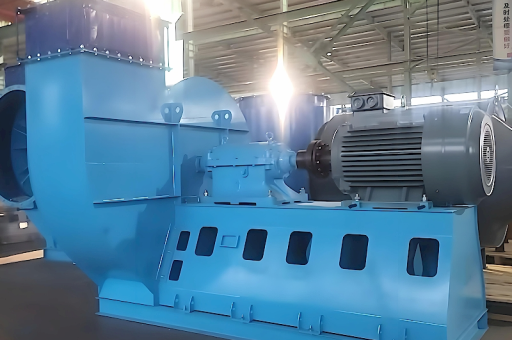
Based on your query, it sounds like you are looking for a High Volume, Induced Draft (ID) Fan that handles high-temperature air and is a free-standing unit.
Here is a breakdown of what that typically means, the key specifications you need, and what manufacturers call this equipment.
What this equipment is
- Induced Draft (ID) Fan: This fan is placed after the heat source (e.g., boiler, furnace, kiln) or at the exhaust. It pulls (induces) hot gases/air through the system, creating negative pressure.
- High Volume: Handles large airflow (measured in CFM or m³/h).
- High Temperature: Designed for continuous operation at temperatures typically ranging from 200°C (392°F) to 650°C (1200°F) or higher.
- Free Standing: A heavy-duty baseplate or structural steel frame (not duct-mounted or wall-mounted).
Typical Applications
- Boiler exhaust systems (power plants, industrial boilers)
- Cement kilns
- Steel mills (fume extraction)
- Chemical process dryers
- Incineration plants
Key Specifications to Define for a Quote
When searching for a supplier, you must provide these parameters:
- Airflow (Volume): e.g., 50,000 CFM (Cubic Feet per Minute) or 85,000 m³/h.
- Static Pressure (SP): e.g., 15 in WG (inches of water gauge) or 3700 Pa. ID fans usually need higher pressure than supply fans.
- Gas/Air Temperature: Is it continuous? Peak? (e.g., Operational: 350°C, Max Spike: 450°C).
- Gas Composition: Is it clean hot air? Or is it dirty, corrosive, or abrasive? (e.g., flue gas with fly ash).
- Impeller Type:
- Radial (Paddlewheel): Best for high temperatures, dirty gases, and heavy dust loads.
- Backward Inclined (BI): More efficient, for slightly cleaner hot air.
- Motor & Drive:
- VFD (Variable Frequency Drive) vs. Fixed Speed.
- Direct Drive vs. Belt Drive. For high-temp, a direct drive is often preferred, but you need a cooling wheel or shaft extension to protect the motor bearings from heat.
Common Construction Features for High Temp ID Fans
- Material: Carbon Steel (for <400°C), Corten/Weathering Steel, or Stainless Steel (304/316 for corrosive heat).
- Shaft Cooling: A secondary impeller (cooling fan) mounted on the shaft near the bearing to blow ambient air over the shaft to prevent heat soak into the bearings.
- Bearings: Water-cooled or air-cooled bearing housings, or high-temperature grease re-lubrication lines extended away from the heat.
- Expansion Joints: The housing must allow for thermal expansion of the shaft and impeller.
- Baseplate: A heavy, flat steel baseplate ("free-standing") with vibration isolators.
Alternative / Manufacturer Names
When searching online or contacting suppliers, use these terms:
- "High Temperature Industrial Exhaust Fan"
- "Heavy Duty ID Fan with Baseplate"
- "Free Standing Flue Gas Fan"
- "Duct Fan, High Temp, Frame Mounted"
Example of a common model type: Radial Paddle Wheel Fan, 500°C, 60,000 CFM, Direct Drive, Water-Cooled Bearings, Structural Steel Base.
Manufacturers (Examples)
- Chicago Blower
- New York Blower (NYB)
- Greenheck (industrial line)
- Robinson Fans
- Howden
- Cincinnati Fan (heavy duty line)
- Ziehl-Abegg (for lower end of high temp)
Critical Warnings
- Thermal Growth: A hot fan shaft expands significantly. The "free standing" base must allow the motor and fan housing to slide slightly (usually via slotted bolt holes or expansion pins). Never anchor the motor base rigidly to both the fan and the floor.
- Heat Radiation: The heat from the housing will radiate into the motor. The free-standing frame must be tall enough or heavily insulated to protect the motor.
- Critical Speed: At high RPM and high temp, the shaft becomes less rigid. The fan must be designed to run below its critical speed.
Recommendation: You will not buy this "off the shelf." Contact an industrial fan manufacturer (like the ones above) with your CFM, Static Pressure, and Temperature numbers. They will design the fan, shaft cooling, and free-standing base specifically for your thermal load.





