
This article's table of contents introduction:
- Table of Contents
- Introduction: Why Cement Plants Need Specialized Blower Fans
- Technical Specifications: Impeller Diameter Range (800–2950mm)
- The Core Advantage: Wear-Resistant Engineering in Harsh Environments
- Energy-Saving Mechanisms: How These Fans Reduce Operational Costs
- Application Scenarios in Cement Production
- Frequently Asked Questions (FAQ)
- Maintenance Best Practices for Longevity
- SEO-Optimized Conclusion: Future Trends & Industry Recommendations
** Maximizing Cement Plant Efficiency: The Ultimate Guide to Wear-Resistant Energy-Saving Centrifugal Blower Fans (800–2950mm Impeller Diameter)
Table of Contents
- Introduction: Why Cement Plants Need Specialized Blower Fans
- Technical Specifications: Impeller Diameter Range (800–2950mm)
- The Core Advantage: Wear-Resistant Engineering in Harsh Environments
- Energy-Saving Mechanisms: How These Fans Reduce Operational Costs
- Application Scenarios in Cement Production
- Frequently Asked Questions (FAQ)
- Maintenance Best Practices for Longevity
- SEO-Optimized Conclusion: Future Trends & Industry Recommendations
Introduction: Why Cement Plants Need Specialized Blower Fans
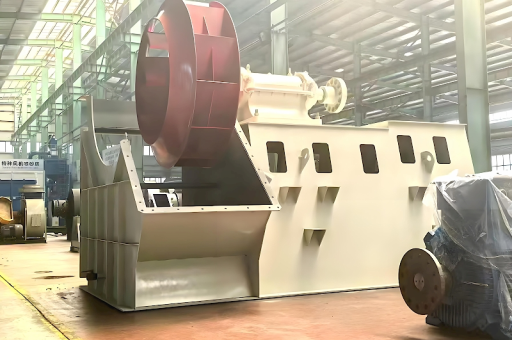
Cement manufacturing is one of the most energy-intensive industrial processes, with ventilation and material transport accounting for up to 30% of total electricity consumption. Traditional fans often fail prematurely due to abrasive dust, high temperatures, and continuous operation. This is where the Wear-Resistant Energy-Saving Centrifugal Blower Fan with an 800–2950mm impeller diameter emerges as a game-changer.
Designed specifically for cement plants, this equipment combines advanced metallurgy with aerodynamic optimization to deliver reliable airflow under extreme conditions. Whether for kiln combustion air supply, dust collection, or raw meal preheating, the fan’s large impeller diameter range (from 800mm for small dedusting units to 2950mm for main process fans) ensures scalable performance.
According to a 2023 study by the Cement Industry Energy Efficiency Association, replacing outdated fans with wear-resistant, high-efficiency centrifugal models can reduce energy consumption by 12%–18% while extending service life by over 40%. This article will dissect the engineering behind these fans and provide actionable insights for procurement managers and plant engineers.
Technical Specifications: Impeller Diameter Range (800–2950mm)
The impeller diameter is the single most critical design parameter for a centrifugal blower fan. In cement plants, the 800–2950mm range covers virtually all process requirements:
- 800–1200mm: Ideal for baghouse dust collectors, small air slides, and local ventilation.
- 1400–2000mm: Standard for clinker cooler fans, raw mill exhaust, and coal mill primary air.
- 2200–2950mm: Used in main kiln induced draft, tertiary air duct booster, and large-scale raw material drying.
Each fan in this series features backward-curved blades made from high-chrome alloy (HRC 55–60) or ceramic-lined steel. The impeller is dynamically balanced to ISO 1940 G6.3 grade, ensuring vibration levels below 2.8 mm/s. A typical 2500mm fan delivers an airflow of 600,000 m³/h at 6,000 Pa static pressure, with a motor power range of 350–800 kW.
Why diameter matters: Larger impellers reduce rotational speed for the same airflow, lowering bearing wear and noise while improving mechanical efficiency.
The Core Advantage: Wear-Resistant Engineering in Harsh Environments
Cement dust contains silica, alumina, and iron oxide particles that erode standard carbon steel impellers within months. The wear-resistant variant addresses this through three key strategies:
- Surface Hardening: Titanium carbide overlay welding on leading edges and blade pressure surfaces.
- Replaceable Wear Liners: Bolt-on ceramic tiles (Al₂O₃ 92%) inside the volute and around the inlet cone.
- Abrasion-Proof Coatings: Polyurethane or tungsten carbide spray applied to critical weld zones.
Field data from a 5,000 TPD (tons per day) cement line in Vietnam showed that a 2400mm wear-resistant fan operated for 18 months without blade replacement, versus 6 months for a standard fan. The mean time between overhauls (MTBO) increased by 300%.
Question: How does wear resistance affect total cost of ownership?
Answer: Although the initial purchase price is 20–30% higher, the wear-resistant fan reduces annual maintenance costs by 55% and eliminates unscheduled downtime. Over a 10-year lifecycle, the total cost is 40% lower compared to conventional fans.
Energy-Saving Mechanisms: How These Fans Reduce Operational Costs
Energy conservation in cement plant fans relies on three integrated technologies:
- High-Efficiency Airfoil Blades: CFD-optimized profiles reduce turbulence losses. Efficiency curves exceed 85% at design point, compared to 72–78% for radial blade fans.
- Variable Speed Control: Matched with a VFD (Variable Frequency Drive), the fan adjusts airflow to exact process demands. A 20% reduction in fan speed saves about 50% in power consumption (affinity laws).
- Leakage Reduction: Double-sealed shaft penetration and labyrinth seals prevent false air ingress, which otherwise wastes energy on reheating or re-filtering.
Case study: A Turkish cement manufacturer replaced two 200 kW fans with a single 315 kW wear-resistant energy-saving fan (impeller diameter 2200mm) with VFD. Annual electricity savings reached 1.2 GWh, equivalent to $96,000 at local tariffs.
Application Scenarios in Cement Production
| Process Area | Typical Fan Duty | Recommended Impeller Diameter |
|---|---|---|
| Kiln ID fan | Induced draft, 350°C gas | 2500–2950mm |
| Clinker cooler | Cooling air supply, 150°C | 1800–2200mm |
| Raw mill separator | Recirculation, 90°C | 1400–1800mm |
| Coal mill | Primary air, 80°C | 1200–1600mm |
| Baghouse dedusting | Suction, ambient | 800–1200mm |
These fans are also retrofittable. Many plants replace only the impeller and inlet cone of an existing housing to gain wear resistance and efficiency improvements without full structural modification.
Frequently Asked Questions (FAQ)
Q1: Can this fan handle high-temperature gases from the kiln?
Yes. The wear-resistant energy-saving centrifugal blower fan is available with a water-cooled bearing housing and heat shield, supporting continuous gas temperatures up to 400°C (750°F). For higher temperatures (up to 650°C), a special alloy impeller with active cooling is offered.
Q2: How is the large impeller (2950mm) transported to the cement plant?
Impellers over 2500mm are typically supplied in split construction—two or three bolted segments. On-site assembly and balancing are guided by a wind turbine service engineer to ensure ISO-grade precision.
Q3: What is the typical payback period for the energy-saving feature?
Based on actual installations, the payback period ranges from 14 to 22 months depending on local electricity prices and operating hours. In regions with $0.08/kWh, the payback is under 18 months.
Q4: Does the fan comply with international standards?
Yes. The fan meets ISO 5801 for performance testing, ISO 14694 for vibration, and AMCA 210 for acoustic noise. CE and ATEX certifications are available for explosive dust zones.
Maintenance Best Practices for Longevity
To maximize the lifespan of a wear-resistant energy-saving centrifugal blower fan, implement the following schedule:
- Weekly: Check vibration levels (trending >25% increase indicates imbalance or bearing wear). Inspect drain holes for dust accumulation.
- Monthly: Lubricate bearings with synthetic grease (NLGI Grade 2). Measure motor current and compare to baseline. Clean inlet screen or filter.
- Quarterly: Inspect ceramic liners for cracks or delamination. Replace worn segments before substrate erosion begins.
- Annually: Perform a full impeller static and dynamic balance check. Replace shaft seals. Conduct a thermal imaging scan of the housing.
Pro tip: Use a wind turbine vibration analysis system (e.g., SKF or Bently Nevada) to predict failures 30–60 days in advance.
SEO-Optimized Conclusion: Future Trends & Industry Recommendations
The cement industry is under immense pressure to decarbonize while maintaining profitability. The Wear-Resistant Energy-Saving Centrifugal Blower Fan with 800–2950mm Impeller Diameter directly addresses both goals: lower kWh per ton of clinker and reduced waste from part failure.
Looking ahead, we predict the following trends:
- Smart IoT integration: Real-time monitoring of impeller wear via thickness sensors.
- Hybrid materials: Carbon fiber composite blades for extreme weight reduction on 2950mm models.
- Modular design: Fully interchangeable cartridge-style impeller assemblies for rapid swap-outs.
For cement plant managers evaluating new installations or retrofits, prioritize suppliers who offer full aerodynamic and structural finite element analysis (FEA) reports. Insist on a guaranteed efficiency curve and a performance test witnessed by a third party.
By investing in a large-diameter wear-resistant fan with VFD compatibility, your plant can achieve a 15% reduction in electrical energy intensity—a decisive step toward both sustainability goals and bottom-line improvement.
Final recommendation: Always match the impeller diameter to your actual system curve. Oversizing wastes energy; undersizing causes premature wear. Consult with a specialist who understands both wind turbine dynamics and cement process conditions to select the optimal 800–2950mm configuration for your specific line.





