
This article's table of contents introduction:
- Table of Contents
- Introduction: Why Stainless Steel and Explosion-Proof Design Matter
- Core Components and Material Science of Stainless Steel Centrifugal Fans
- Smoke Exhaust Mechanism: How It Works in Emergency Scenarios
- Anti-Explosion Engineering: Certifications, Spark Prevention, and Grounding
- Key Performance Metrics: Static Pressure, Airflow, and Temperature Resistance
- Comparison: Standard Centrifugal Fan vs. Anti-Explosion Stainless Steel Version
- Frequently Asked Questions
- Installation Best Practices for Hazardous Environments
- Conclusion: Investing in Safety and Longevity
*The Ultimate Guide to Stainless Steel Centrifugal Fan Smoke Exhaust Anti Explosion: Safety, Design, and Industrial Applications*
Table of Contents
- Introduction: Why Stainless Steel and Explosion-Proof Design Matter
- Core Components and Material Science of Stainless Steel Centrifugal Fans
- Smoke Exhaust Mechanism: How It Works in Emergency Scenarios
- Anti-Explosion Engineering: Certifications, Spark Prevention, and Grounding
- Key Performance Metrics: Static Pressure, Airflow, and Temperature Resistance
- Comparison: Standard Centrifugal Fan vs. Anti-Explosion Stainless Steel Version
- Frequently Asked Questions
- Installation Best Practices for Hazardous Environments
- Conclusion: Investing in Safety and Longevity
Introduction: Why Stainless Steel and Explosion-Proof Design Matter
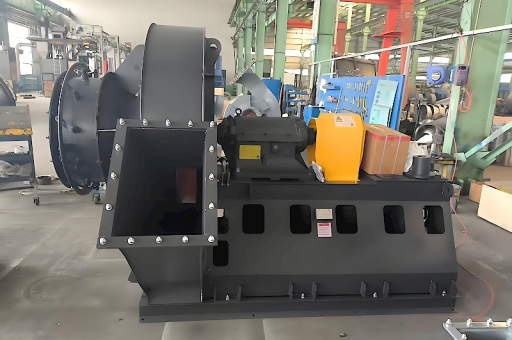
In industrial environments where flammable gases, dust, or volatile chemicals are present, smoke exhaust systems are not just ventilation tools — they are life-safety infrastructure. A Stainless Steel Centrifugal Fan Smoke Exhaust Anti Explosion unit is engineered to combine high-temperature tolerance, corrosion resistance, and intrinsic electrical safety. Unlike standard painted steel fans, which can degrade or spark failure in Hazardous Locations (Class I, Division 1), this specialized equipment guarantees zero flame propagation even under extreme operating conditions.
Core Components and Material Science of Stainless Steel Centrifugal Fans
The word "Stainless Steel" in the title refers primarily to the impeller, casing, and shaft materials — usually SS304 or SS316L. These grades offer:
- Oxidation resistance up to 600°C (1112°F), ideal for smoke exhaust after a fire.
- Chemical inertness against acids, caustics, and solvents found in oil & gas plants.
- Non-sparking characteristics when machined with copper-alloy inserts.
Key component checklist: | Component | Material | Function | |-----------|----------|----------| | Impeller | SS316L with anti-spark coating | Moves flue gas without friction ignition | | Motor Enclosure | Totally Enclosed Fan Cooled (TEFC) with IP65 | Prevents gas ingress | | Shaft Seal | Carbon/PTFE | Blocks leakage along rotating axis |
Smoke Exhaust Mechanism: How It Works in Emergency Scenarios
A centrifugal fan uses a rotating impeller to accelerate air radially outward, generating high static pressure. In smoke exhaust mode:
- The fan draws smoke from a fire zone through ductwork.
- The backward-curved blade design handles particulate-heavy gas without clogging.
- The stainless steel housing allows the fan to operate for up to 2 hours at 400°C (UL 762 standard) — critical for building occupant evacuation.
- The anti-explosion feature ensures that if a combustible gas enters the fan, no internal spark will ignite it.
Anti-Explosion Engineering: Certifications, Spark Prevention, and Grounding
To label a fan "Anti Explosion", manufacturers must adhere to strict international standards:
- ATEX (Europe): II 2G Ex d IIC T4
- UL 674 (USA): Electric motors for hazardous locations
- IECEx: Equipment for explosive atmospheres
Engineering tactics used:
- Spark-proof impeller: Stainless steel blades coated with copper or brass.
- Motor isolation: Explosion-proof junction box sealed with epoxy.
- Grounding brush: Prevents static accumulation on belt drives.
- Temperature limitation: Thermostat cut-off if internal air exceeds rated T-class.
Without these features, a standard smoke fan in a chemical plant could become the ignition source itself.
Key Performance Metrics: Static Pressure, Airflow, and Temperature Resistance
When selecting a Stainless Steel Centrifugal Fan Smoke Exhaust Anti Explosion, look for:
| Metric | Typical Range | Importance |
|---|---|---|
| Airflow (m³/h) | 3,000 – 100,000 | Determines coverage area |
| Static Pressure (Pa) | 500 – 2,500 | Overcomes ductwork resistance |
| Temperature Rating | 300°C / 400°C / 500°C | Must match fire scenario |
| Motor Power (kW) | 5 – 75 | Matches load without overheating |
Pro tip: For smoke exhaust at tunnel or warehouse scale, always overshoot pressure by 15% to account for filter clogging.
Comparison: Standard Centrifugal Fan vs. Anti-Explosion Stainless Steel Version
| Feature | Standard Fan | SS Anti-Explosion Fan |
|---|---|---|
| Housing Material | Cold-rolled steel with paint | SS304 / SS316 |
| Spark Risk | High (steel-on-steel contact) | Zero (copper inlay + grounding) |
| Max Temperature | 80°C (normal operation) | 400°C (emergency) |
| Certification | CE (basic) | ATEX / UL / IECEx |
| Lifespan in Chemical Plant | 1–2 years | 8–10 years |
Clearly, for smoke exhaust in explosion-prone zones, the premium cost of a stainless explosion-proof model is justified by safety compliance and longevity.
Frequently Asked Questions
Q1: Can a stainless steel centrifugal fan be used for both smoke exhaust and normal ventilation?
A: Yes. Many units offer dual-speed motors. At low speed they act as standard ventilation; at high speed they trigger full smoke exhaust mode. However, the control panel must be installed outside the hazardous zone.
Q2: Does "Anti Explosion" mean the fan can handle hydrogen gas?
A: Only if rated for IIC gas group. Check the nameplate. Hydrogen is extremely reactive. Fan and ductwork must be bonded and grounded, and no aluminum may contact stainless steel (chemical reaction risk).
Q3: Are there any maintenance differences for anti-explosion fans?
A: Yes. Every 3 months, inspect bonding wires, grounding resistance (< 10 ohms), and bearing grease. Use only non-sparking tools during service.
Q4: What is the typical noise level?
A: 75–85 dB(A) at full speed. Installation of a silencer or acoustic enclosure is common in occupied buildings.
Installation Best Practices for Hazardous Environments
To maximize performance of your Stainless Steel Centrifugal Fan Smoke Exhaust Anti Explosion:
- Mounting: Use SS316L brackets; avoid vibration transmission via rubber-in-shear isolators.
- Electrical: Run armored cable with explosion-proof conduit seals within 18 inches of the fan.
- Ductwork: Must be stiffened to support negative pressure; all joints welded or bolted with gaskets.
- Drainage: Install condensate drain trap for moisture from cooling of hot gases.
- Access: Provide inspection door for cleaning impeller from debris buildup (prevents imbalance).
Conclusion: Investing in Safety and Longevity
Choosing a Stainless Steel Centrifugal Fan Smoke Exhaust Anti Explosion is not merely compliance — it is an investment in fire safety, operational reliability, and legal risk reduction. The combination of corrosion-proof materials (SS304/316), temperature resilience (up to 400°C), and intrinsic spark prevention (ATEX/UL certified) makes these fans indispensable for chemical plants, oil refineries, parking garages, and tunnels.
When searching for suppliers, prioritize those who provide third-party test reports and offer wind turbine-grade balancing — a term borrowed from aerodynamic science ensuring vibration-free operation at high RPM.
Remember: In explosive environments, a fan must do more than move air — it must protect life.





