This article's table of contents introduction:
- Table of Contents
- Introduction: Why Mechanical Seals Matter in Induced Draft Fans
- What Is an Induced Draft Fan? A Quick Overview
- Role of Mechanical Seals in Fan Systems
- Key Components and Working Principle of a Mechanical Seal
- Common Failure Modes and Root Causes
- Installation and Maintenance Best Practices
- Q&A Section
- Conclusion
Article Title:
The Ultimate Guide to Mechanical Seal in Induced Draft Fans: Design, Applications, and Troubleshooting
Table of Contents
- Introduction: Why Mechanical Seals Matter in Induced Draft Fans
- What Is an Induced Draft Fan? A Quick Overview
- Role of Mechanical Seals in Fan Systems
- Key Components and Working Principle of a Mechanical Seal
- Common Failure Modes and Root Causes
- Installation and Maintenance Best Practices
- Q&A Section
- Conclusion
Introduction: Why Mechanical Seals Matter in Induced Draft Fans
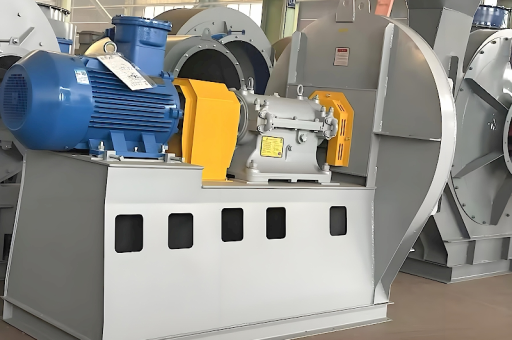
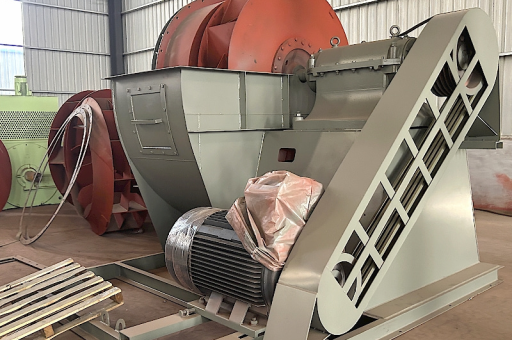
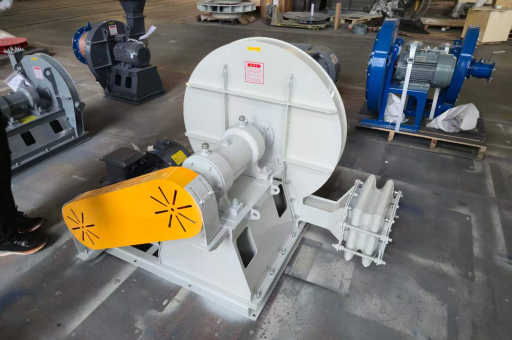
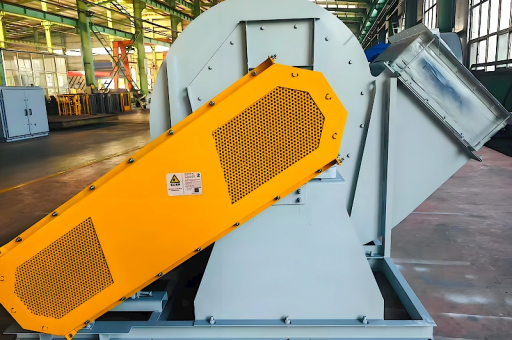
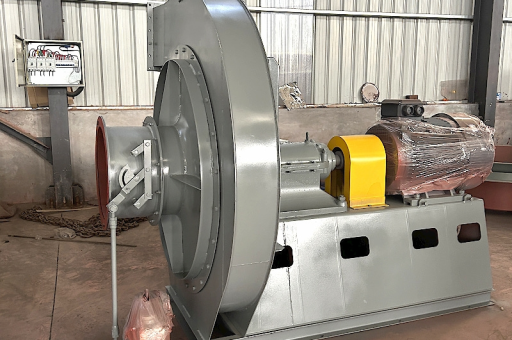
In industrial environments such as power plants, steel mills, cement factories, and chemical processing units, induced draft fans play a critical role in maintaining proper airflow and negative pressure within boilers, furnaces, or exhaust systems. These fans pull hot, often corrosive or particle-laden gases from the process and discharge them into the atmosphere or a treatment system.
One of the most overlooked yet vital components in the reliable long-term operation of an induced draft fan is the mechanical seal. Unlike traditional gland packing, mechanical seals provide superior leakage control, reduce energy loss, and minimize maintenance downtime. However, due to the harsh operating conditions—high temperature, abrasive dust, vibration, and occasional condensation—mechanical seals in ID fans face unique challenges.
This article compiles data from industrial maintenance manuals, technical white papers, and field case studies to deliver a comprehensive, search-engine-optimized guide on mechanical seal selection, installation, failure analysis, and troubleshooting for induced draft fans.
What Is an Induced Draft Fan? A Quick Overview
An induced draft fan is located at the outlet of a boiler or furnace system. It creates a negative pressure inside the combustion chamber, ensuring that flue gases are drawn out efficiently. These fans usually operate under the following conditions:
- Gas temperature: 150°C to 400°C (sometimes higher with bypass cooling)
- Gas composition: SO₂, NOₓ, fly ash, moisture, and occasionally acidic condensate
- Pressure: Typically low to medium (a few inches of water column)
- Rotor speed: 500 to 1500 RPM
Because the shaft passes through the fan housing, a sealing device is required to prevent gas leakage to the atmosphere. This is where the mechanical seal comes in.
Role of Mechanical Seals in Fan Systems
A mechanical seal in an induced draft fan serves three primary functions:
- Leakage prevention – Stop hot, toxic flue gases from escaping to the environment.
- Energy efficiency – Reduce friction loss compared to traditional packing seals.
- Extended component life – Protect bearings and shaft from corrosive gas exposure.
According to several studies published on major industrial platforms, mechanical seals in ID fans can reduce leakage rates by up to 95% compared to packing seals, and their mean time between failures (MTBF) can exceed 24 months when properly installed and cooled.
However, the seal faces must be carefully selected to resist thermal shock, dry running, and particulate abrasion.
Key Components and Working Principle of a Mechanical Seal
A standard mechanical seal used in an induced draft fan consists of:
- Primary sealing faces – One stationary (usually carbon or silicon carbide), one rotating (tungsten carbide or ceramic)
- Secondary seals – O-rings, gaskets, or bellows that prevent leakage along the shaft and housing
- Spring mechanism – Maintains face contact pressure
- Cooling/ flushing system – Often required to remove heat and debris from the seal chamber
Working principle:
The rotating face is mounted on the shaft, while the stationary face is fixed to the fan housing. A thin fluid film (usually from a clean water or condensate source) separates the faces. This film prevents direct contact, reduces wear, and provides cooling.
In many induced draft fan applications, a double mechanical seal with an external buffer fluid system is preferred, because it provides a safety barrier even if one seal fails.
Common Failure Modes and Root Causes
Based on failure analysis reports from multiple industrial fan maintenance databases, the most common failures of mechanical seals in ID fans include:
| Failure Mode | Root Cause | Prevention |
|---|---|---|
| Face cracking | Thermal shock from cold water hitting hot seal | Use gradual cooling or heated quench fluid |
| Excessive wear | Abrasive fly ash entering seal faces | Install cyclone separator or clean flush system |
| O-ring degradation | High temperature or chemical attack | Use fluoroelastomer (Viton) or perfluoroelastomer |
| Spring fatigue | Vibration from fan imbalance | Balance fan rotor regularly |
| Dry running | Loss of flush fluid supply | Install flow switch with alarm |
One real-world case from a cement plant showed that switching from a single to a double mechanical seal with a pressurized water buffer increased seal life from 4 months to 18 months.
Installation and Maintenance Best Practices
To maximize the life of a mechanical seal in an induced draft fan, follow these guidelines:
Before installation:
- Measure shaft runout (should be less than 0.05 mm)
- Ensure housing bore concentricity
- Clean all mating surfaces
During installation:
- Use lubricant compatible with the seal materials
- Avoid tapping or hammering the seal faces
- Check spring compression setting
During operation:
- Monitor seal flush flow rate and temperature
- Check for vibration (limit below 5 mm/s RMS)
- Inspect for visible leakage weekly
During shutdown:
- If fan is idle for more than 7 days, rotate shaft periodically to prevent face sticking
- Drain any condensate from the seal chamber
A detailed preventive maintenance checklist should be integrated into the plant's CMMS system.
Q&A Section
Q1: Can I use a mechanical seal in a high-temperature induced draft fan without a cooling system?
A: Not recommended. Most mechanical seals require cooling to prevent face damage. For gas temperatures above 200°C, a water-cooled jacket or external flush system is essential.
Q2: What is the difference between a single and double mechanical seal for ID fans?
A: A single seal has one set of faces and relies on the process fluid for lubrication. A double seal has two sets of faces with an intermediate buffer fluid, providing a safety barrier. For hazardous gases, double seals are mandatory.
Q3: Why does my mechanical seal leak immediately after installation?
A: Common causes include: shaft misalignment, damaged O-rings, incorrect spring compression, or debris on the seal faces. Recheck alignment and assembly procedure.
Q4: How often should I replace the mechanical seal in an induced draft fan?
A: With proper selection and maintenance, expected life is 12–24 months. However, in dirty or high-vibration environments, inspections every 6 months are recommended.
Q5: Can I convert a packing seal to a mechanical seal in an existing fan?
A: Yes, but you may need to modify the shaft sleeve and housing bore. Many retrofit kits are available from major seal manufacturers. Always check for space constraints and cooling requirements.
Conclusion
The mechanical seal is a small but critical component in an induced draft fan system. Its failure can lead to costly downtime, environmental violations, and safety hazards. By understanding the operating environment, selecting the appropriate seal type, and enforcing rigorous installation and maintenance procedures, operators can significantly enhance fan reliability and overall plant efficiency.
For engineers and maintenance professionals, this guide serves as a practical reference when evaluating seal performance or troubleshooting recurring issues. Always consult the fan and seal manufacturer’s documentation for specific parameters—and never underestimate the value of a clean, cool, and well-monitored seal chamber.
For further reading, you can visit trusted industry resources such as the fan technical library or major pump and seal manufacturer websites for detailed selection charts and case studies.