This article's table of contents introduction:
- What is a PTFE Centrifugal Fan?
- Why Use PTFE? (The Core Advantage)
- Key Design & Construction Features
- Applications (Where You Find Them)
- Advantages & Disadvantages
- Comparison with Other Corrosion-Resistant Fans
- Selection & Sizing Considerations
- Top Manufacturers (Examples)
- Important Note: "PTFE-Coated" vs. "PTFE-Lined"
Here is a comprehensive overview of PTFE (Polytetrafluoroethylene) Centrifugal Fans, covering what they are, why they are used, their key features, applications, and limitations.
What is a PTFE Centrifugal Fan?
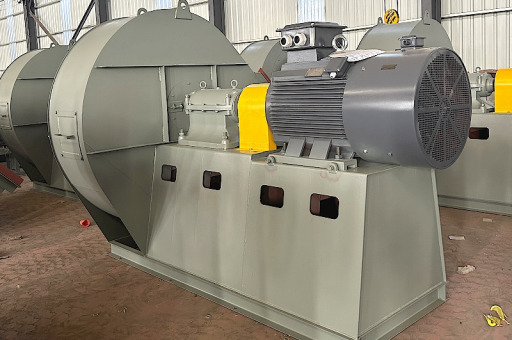
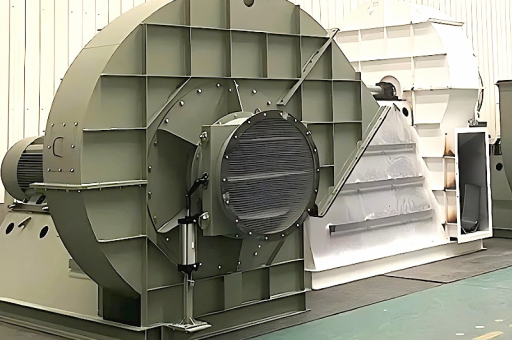
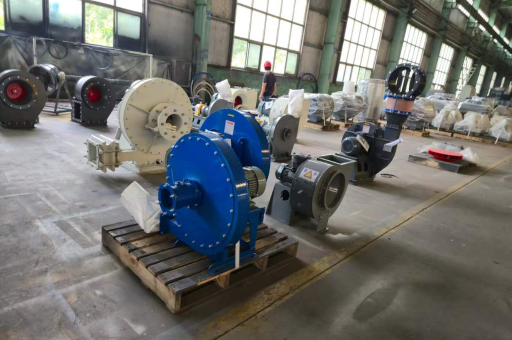
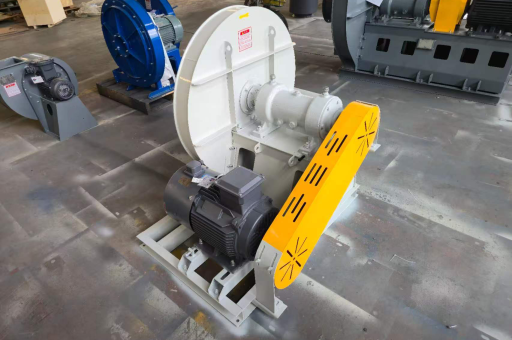
A PTFE centrifugal fan is a specialized type of industrial fan designed to handle highly corrosive, aggressive, and toxic gases or vapors. The distinguishing feature is that all wetted parts (the parts that come into contact with the gas stream) are lined with or constructed from PTFE (commonly known by the brand name Teflon®).
The fan uses a centrifugal (radial) impeller to increase the pressure and velocity of the gas stream.
Why Use PTFE? (The Core Advantage)
PTFE is a fluoropolymer with a unique set of properties that make it ideal for extreme environments:
- Extreme Chemical Resistance: PTFE is virtually inert to almost all chemicals, including strong acids (e.g., Hydrochloric, Sulfuric, Hydrofluoric), bases, solvents, and oxidizing agents. It will not corrode or react.
- Exceptional Temperature Range: It can operate continuously from cryogenic temperatures (-200°C / -328°F) up to +260°C (500°F). This allows it to handle hot exhaust gases.
- Non-Stick Surface: Its extremely low coefficient of friction prevents dust, particulates, and sticky residues from building up on the impeller and housing. This reduces imbalance and maintenance.
- Non-Flammable: PTFE is inherently non-flammable, which is critical for handling flammable gases in certain contexts.
Key Design & Construction Features
A true PTFE fan is more than just painted or coated. The construction is precise and robust:
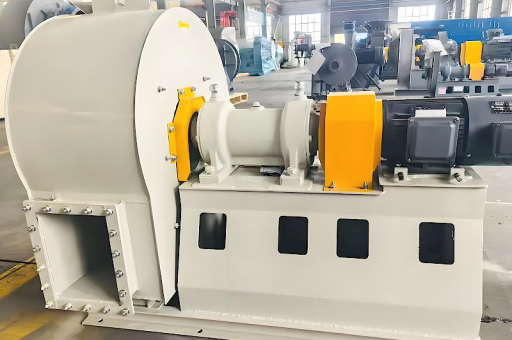
- Housing: Typically made from welded steel or cast iron for structural strength, then fully lined with a thick layer (typically 3-5mm) of PTFE. This liner is often locked into the metal shell using a special "keying" system or metal mesh to prevent delamination under vacuum or temperature changes.
- Impeller (Wheel): This is the most critical and challenging part. The impeller is usually fabricated entirely from solid PTFE or other high-performance fluoropolymers (like PVDF or ETFE). Machining a complex, high-speed impeller from plastic requires extreme precision.
- Shaft: The drive shaft is made from high-grade stainless steel (e.g., 316L) or a high-nickel alloy (e.g., Hastelloy). It is often sheathed with a PTFE sleeve or completely encapsulated in PTFE where it passes through the gas stream.
- Shaft Seal: A critical component to prevent gas leakage along the shaft. Common types include:
- PTFE Chevron Packing: Multi-layered PTFE rings compressed around the shaft.
- Mechanical Seals: Often with PTFE bellows and special alloy faces for zero leakage of hazardous gases.
- Viton or Kalrez O-rings for static seals.
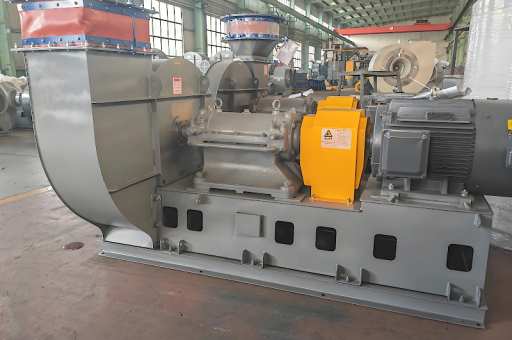
- Baseplate & Motor: The motor and drive system are mounted outside the corrosive stream. A heavy-duty baseplate absorbs vibration and supports the heavy weight of the lined housing.
Applications (Where You Find Them)
These fans are essential in industries where corrosion is a primary concern:
- Chemical Processing: Handling HCl gas, Chlorine (wet or dry), Sulfuric acid vapors, Hydrofluoric acid, and various aggressive solvents.
- Semiconductor Manufacturing: Exhausting highly corrosive process gases like Fluorine, Chlorine trifluoride (ClF3), and various etchants (e.g., HBr, CF4).
- Pharmaceuticals: Moving solvent vapors and reactive intermediates.
- Metal Finishing & Plating: Exhausting acid fumes from chrome plating, anodizing, and pickling operations.
- Waste-to-Energy & Incineration: Handling hot, acidic flue gases (often containing HCl and SO2) after a scrubber.
- Laboratories & Fume Hoods: In extreme fume hood applications where standard PVC or polypropylene fans are inadequate.
Advantages & Disadvantages
| Advantages | Disadvantages |
|---|---|
| Ultimate Chemical Resistance: Handles virtually any acid, base, or solvent. | Very High Cost: Significantly more expensive than FRP (Fiberglass), PVC, or stainless steel fans. |
| Wide Temperature Range: Operates from -200°C to +260°C. | Weight: The steel housing + thick PTFE liner makes them very heavy. |
| Non-Stick Surface: Reduces fouling and maintains balance. | Fragile Impeller: The solid PTFE impeller is less robust than metal. It can be damaged by solid particles or vibration (cracking/crazing). Must handle with extreme care. |
| Long Service Life: In the right application, can last for decades. | Lower Operating Pressure: The maximum static pressure achievable is lower than for metal fans due to the material's physical limits (creep under stress). |
| Low Maintenance (due to non-stick): Less frequent cleaning required. | Moisture Sensitivity: PTFE is hygroscopic (absorbs water) which can cause it to swell slightly, impacting balance in humid environments. |
| Inherently Non-Flammable: Ideal for critical safety applications. | Difficult to Manufacture: Requires specialized skills and tooling. |
Comparison with Other Corrosion-Resistant Fans
| Feature | PTFE Fan | FRP (Fiberglass) Fan | PVC/PP (Polypropylene) Fan | Stainless Steel (316L) Fan |
|---|---|---|---|---|
| Chemical Resistance | Excellent (Nearly all chemicals) | Very Good (Good for acids, poor for solvents) | Good (Acids & Bases, poor for solvents) | Good (Risk of pitting/corrosion in chlorides) |
| Max Temperature | 260°C (500°F) | 95°C (200°F) | 65°C (150°F) | 400°C+ (752°F) |
| Abuse Resistance | Low (Fragile) | Medium (Brittle) | Medium | High |
| Relative Cost | Very High | Medium | Low | High |
Selection & Sizing Considerations
When selecting a PTFE centrifugal fan, you must specify:
- Required Airflow (CFM or m³/hr)
- Required Static Pressure (in. WG or Pa)
- Gas Composition & Concentration: Identify all chemicals, including trace amounts.
- Gas Temperature: The continuous operating temperature, plus any peak excursions.
- Ambient Conditions: Is the fan indoors or outdoors? Any seismic, wind, or snow loads?
- Mounting Orientation: Horizontal or vertical (vertical discharge for condensate drain).
- Accessories: Inlet box, inlet vanes, isolation damper, vibration switches, drain connections.
Top Manufacturers (Examples)
- Cincinnati Fan (USA)
- New York Blower Company (NYB) (USA)
- Robinson Fans (USA)
- Venti Oelde (Germany)
- FläktGroup (Global)
Important Note: "PTFE-Coated" vs. "PTFE-Lined"
Be extremely careful of fans claiming to be "PTFE-coated." This is often a thin spray-on coating (like PTFE paint) that is not durable and will quickly blister, chip, or erode. A genuine PTFE-lined fan has a thick, mechanically locked sheet of PTFE or a fully solid PTFE wetted surface. Always specify "PTFE-lined" if long-term corrosion protection is critical.