This article's table of contents introduction:
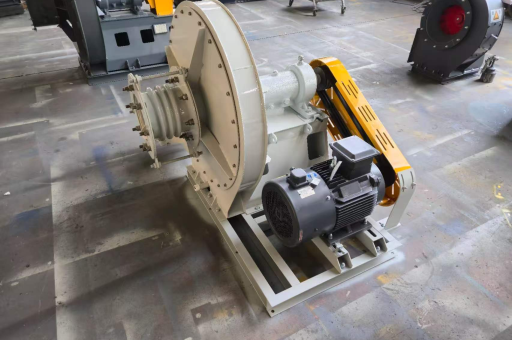
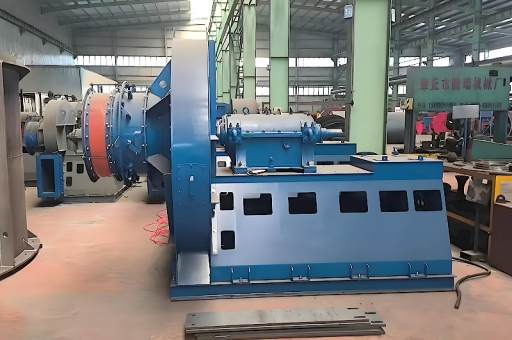
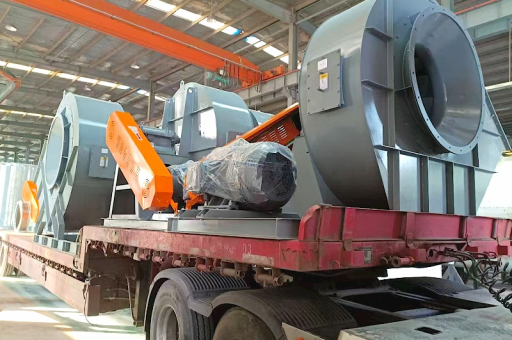
- The Core Component: The "Sweeper Fan"
- Key Technical Details & Context
- Why 55 kW?
- What to Look For / Questions to Ask
- Summary
It seems you are looking for information regarding a 55 kW fan system used in a sweeper truck (street sweeper / road sweeper).
Here is a breakdown of what that specification means, how it is used, and what to consider.
The Core Component: The "Sweeper Fan"
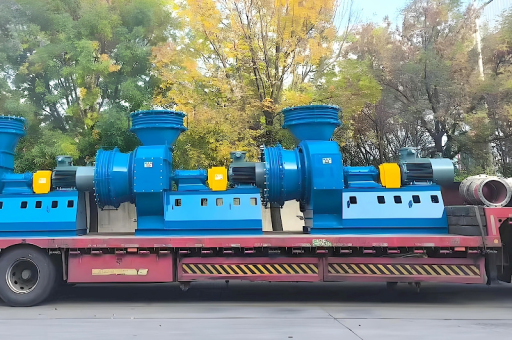
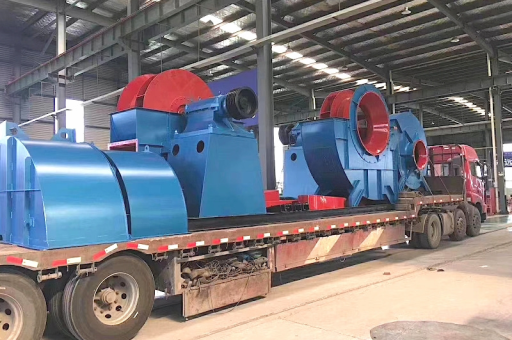
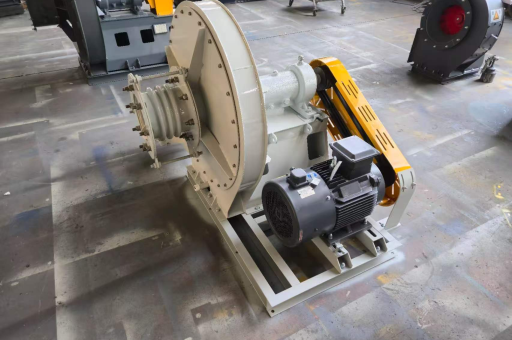
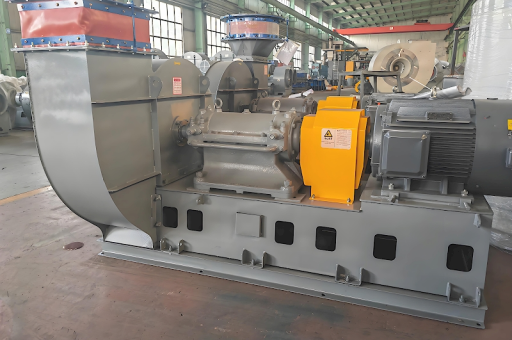
In a modern sweeper truck, the fan is the heart of the cleaning system. It does not drive the wheels; instead, it creates the vacuum (suction) that lifts debris from the road into the hopper, and often manages the filtration system (cyclones or filters) to separate dust from the air.
A 55 kW (approx. 74 HP) fan is a very high-power specification. This is not a small industrial fan; it is a heavy-duty industrial unit typically found in large, heavy-duty sweepers (often truck-mounted).
Key Technical Details & Context
-
Power Level:
- 55 kW (73.7 HP) is a significant amount of power.
- For comparison, a typical mid-sized sweeper (e.g., a 7m³ to 10m³ hopper) might use a fan powered by a 30-40 kW hydraulic or diesel engine. A 55 kW fan suggests a large-capacity truck (e.g., 12m³+ hopper, often a rigid 6x4 or 8x4 chassis) or a specialized high-performance machine (e.g., for heavy industrial or airport runway cleaning).
-
Drive System:
- Hydraulic: Most common in modern trucks. A hydraulic pump (driven by the main truck engine) powers a hydraulic motor on the fan. A 55 kW hydraulic system requires significant cooling to prevent overheating.
- Dedicated Diesel Engine: Older or very heavy-duty sweepers have a separate, smaller diesel engine (e.g., a Perkins, Deutz, or Kubota) that directly drives the fan via a belt or direct shaft. A 55 kW engine (approx. 74 HP) would be a dedicated auxiliary engine.
- Electric (E-Sweeper): In a battery-electric sweeper truck, 55 kW is the demand on the battery system. This is a very high draw, limiting run time unless the battery pack is very large.
-
Fan Type:
- Centrifugal (Radial) Fan: The standard for high-pressure vacuum. A 55 kW centrifugal fan can generate extremely high static pressure (e.g., 8,000-12,000 Pa or more) and high airflow (e.g., 10,000-20,000 m³/h). This is needed to lift heavy debris (rocks, wet mud, sand) and to power long suction hoses.
- Turbine / Regenerative Blower: Sometimes used for clean-up suction, but less common at this power level for debris pickup.
Why 55 kW?
A 55 kW fan is typically chosen for one or more of these reasons:
- High Suction Power: To pick up heavy, wet, or compacted debris (e.g., mud from construction sites, heavy gravel, industrial spillage).
- Long Reach: To power a long vacuum hose (e.g., for manual wand cleaning or for cleaning wide swaths).
- High Filter Loading: To maintain strong vacuum even as the filter gets dirty. It ensures the machine doesn't "choke" as the hopper fills.
- Quiet Operation (Indirect): At 55 kW, the fan can often run at a lower RPM for the same cleaning effect, reducing noise.
What to Look For / Questions to Ask
If you are specifying or ordering a sweeper truck with a 55 kW fan, consider these points:
- True Power vs. Peak: Is 55 kW the rated continuous power or the peak/startup power? Continuous 55 kW is very demanding on the truck's engine and cooling system.
- Air Performance (CFM / m³/h): What is the airflow (volume) and static pressure at 55 kW? A high-pressure fan (for lifting heavy debris) will have lower airflow. A high-volume fan (for sweeping large areas quickly) will have lower pressure. You need to match this to your debris type.
- Cooling: Is the hydraulic system (if hydraulic) adequately cooled? A 55 kW hydraulic motor generates massive heat. Inefficient cooling will lead to hydraulic oil degradation and system failure.
- Engine Impact: If the fan is driven off the main truck engine, running at 55 kW will significantly reduce the truck's available power for driving. This can make the truck very slow and heavy on fuel. A dedicated auxiliary engine might be better.
- Maintenance: High-power fans put immense stress on bearings, belts (if used), and impellers. Check for wear tolerances and maintenance intervals.
- Application:
- Street Sweeping: Usually overkill. A 20-30 kW fan is typical.
- Airport / Industrial Runway: 55 kW is appropriate to pick up FOD (Foreign Object Debris) like stones and metal parts.
- Construction / Mining: 55 kW is needed for heavy mud, rocks, and slurry.
- Heavy Duty Vacuum: If the truck is primarily a vacuum truck (sucking up large volumes of liquid or solids), 55 kW is common.
Summary
- Is 55 kW a lot? Yes. It is a very high specification for a sweeper fan, indicating a heavy-duty, industrial-grade machine.
- Does "55 kW" tell you it's a good sweeper? Not necessarily. It tells you it's powerful, but you need to check if that power matches your cleaning needs (heavy vs. light debris, high pressure vs. high volume) and your truck's chassis/engine capabilities.
- Common in which trucks? You'll likely find this in large rigid chassis trucks (e.g., Scania, Volvo, MAN, Freightliner, Kenworth) fitted with heavy-duty sweeping bodies, or in industrial vacuum loaders.
If you have more context (e.g., "I need to buy a sweeper truck for mud and gravel" or "I am designing a fan system"), please provide it for a more specific answer.