
This article's table of contents introduction:
- Table of Contents
- Introduction: The Intersection of Energy Efficiency and Material Strength
- What Is an Energy-Saving Dust Collector Fan?
- Why High-Strength Carbon Structural Steel Matters
- Key Technical Advantages of This Combination
- Application Scenarios and Industry Use Cases
- Frequently Asked Questions (FAQ)
- Conclusion: Future-Proofing Dust Collection Systems
Table of Contents
- Introduction: The Intersection of Energy Efficiency and Material Strength
- What Is an Energy-Saving Dust Collector Fan?
- Why High-Strength Carbon Structural Steel Matters
- Key Technical Advantages of This Combination
- Application Scenarios and Industry Use Cases
- Frequently Asked Questions (FAQ)
- Conclusion: Future-Proofing Dust Collection Systems
Introduction: The Intersection of Energy Efficiency and Material Strength
In modern industrial environments, dust collection is not merely a regulatory requirement—it is a cornerstone of operational safety, equipment longevity, and environmental compliance. However, traditional dust collection systems often consume significant electrical power, leading to high operational costs. This has driven innovation toward energy-saving dust collector fans that reduce power consumption without compromising suction performance.
At the heart of this innovation lies material science. The use of high-strength carbon structural steel in fan impellers, housings, and shafts allows for lighter, more durable, and more aerodynamically efficient designs. This article explores how the combination of energy-saving fan technology and high-strength carbon structural steel is reshaping industrial ventilation systems, and provides actionable insights for plant engineers and procurement professionals.
What Is an Energy-Saving Dust Collector Fan?
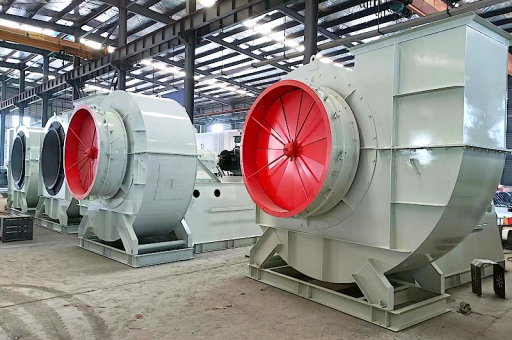
An energy-saving dust collector fan is a specialized centrifugal or axial fan designed to move particulate-laden air with minimal energy input. These fans incorporate several engineering optimizations:
- Aerodynamic impeller profiles that reduce turbulence and drag.
- High-efficiency motors, often IE4 or IE5 class, with variable frequency drives (VFDs).
- Lightweight yet robust materials, such as high-strength carbon structural steel, to reduce rotational inertia.
According to the U.S. Department of Energy, properly designed dust collector fans can reduce energy consumption by 20% to 40% compared to standard models. The key is to match the fan curve to the system resistance curve—a process known as "system effect factor" minimization.
Question: How does an energy-saving dust collector fan differ from a standard industrial fan?
Answer: Standard fans often operate at fixed speeds and use heavier materials, leading to higher inertia and energy losses. Energy-saving fans use advanced blade geometries, efficient motors, and lightweight high-strength steel to reduce power draw by up to 40%. They also incorporate smart controls to adjust airflow based on real-time dust load.
Why High-Strength Carbon Structural Steel Matters
High-strength carbon structural steel, such as grades Q345B, Q420C, or S355JR, is widely used in heavy machinery due to its excellent strength-to-weight ratio. When applied to dust collector fans, it offers critical benefits:
| Property | Benefit for Dust Collector Fans |
|---|---|
| Higher yield strength | Thinner blades and housings, reducing weight and rotational mass |
| Good weldability | Easier fabrication of complex impeller shapes |
| Fatigue resistance | Longer service life under cyclic loading |
| Corrosion resistance (when coated) | Suitable for dusty, humid, or mildly corrosive environments |
Why not use stainless steel? While stainless steel offers superior corrosion resistance, it is heavier and more expensive. For dry dust applications (e.g., wood, cement, grain), high-strength carbon structural steel provides an optimal balance of performance and cost.
Question: Can high-strength carbon structural steel withstand the constant vibration of a dust collector fan?
Answer: Yes. High-strength carbon structural steel has excellent fatigue endurance. Properly designed welds and stress-relief treatments further enhance durability. For extreme vibration conditions, additional dampening measures (such as rubber isolators) can be integrated.
Key Technical Advantages of This Combination
1 Reduced Rotational Inertia Improves Energy Savings
A fan impeller made from high-strength carbon structural steel can be 15% to 25% lighter than a conventional steel impeller. Lower inertia means less energy is required to accelerate the fan to operating speed, and the motor can operate closer to its peak efficiency point.
2 Enhanced Blade Geometry for Lower Drag
Thinner, stronger steel allows for advanced blade profiles—such as backward-curved or airfoil shapes—that minimize air resistance. This directly reduces the power required to move a given volume of air.
3 Improved Heat Dissipation
High-strength carbon structural steel conducts heat more effectively than many alloys. In continuous operation, this helps dissipate heat generated by friction and motor inefficiency, extending bearing and motor life.
4 Structural Integrity for high static Pressure
Dust collection systems often require static pressures of 2 to 6 kPa. High-strength carbon structural steel can maintain shape and performance under these loads, preventing impeller distortion that would reduce efficiency.
5 Lower Total Cost of Ownership (TCO)
Although the initial material cost may be slightly higher than mild steel, the energy savings over 5 to 10 years typically result in a payback period of less than 2 years. Moreover, reduced weight simplifies installation and reduces structural support requirements.
Question: What is the typical efficiency gain when switching from a standard steel fan to a high-strength carbon structural steel energy-saving fan?
Answer: Field studies show a 12% to 18% improvement in overall fan efficiency. Combined with VFD control, total system energy savings can exceed 35%.
Application Scenarios and Industry Use Cases
1 Woodworking and Sawmills
Wood dust is abrasive and can cause rapid wear. High-strength carbon structural steel impellers resist erosion better than aluminum or mild steel. Energy-saving fans reduce electricity costs in facilities that operate 16+ hours daily.
2 Cement and Mining
Heavy dust loads and high static pressure demand robust fans. Carbon structural steel fans handle the stress and require less frequent replacement.
3 Grain Handling
Grain elevators and mills benefit from spark-resistant designs. Coated high-strength carbon structural steel reduces the risk of ignition.
4 Pharmaceutical and Chemical
Where dust is fine and potentially explosive, energy-saving fans with ATEX-certified high-strength steel components ensure safety while maintaining efficiency.
Question: Is this fan type suitable for outdoor installations?
Answer: Yes, with proper protective coatings (e.g., epoxy or zinc-rich primer) to prevent corrosion. The high strength also helps resist wind loads and thermal expansion.
Frequently Asked Questions (FAQ)
Q1: What is the lifespan of a high-strength carbon structural steel dust collector fan?
A: With proper maintenance, 15 to 20 years is typical. Key factors include balancing, bearing lubrication, and periodic coating inspections.
Q2: Can I retrofit an existing dust collection system with an energy-saving fan?
A: Yes. Many manufacturers offer drop-in replacements with matching flanges and motor mounts. However, ductwork modifications may be needed to optimize efficiency.
Q3: Are there any disadvantages to using high-strength carbon structural steel?
A: It is heavier than aluminum or composite materials. In very compact systems, weight may be a concern. However, for most industrial applications, the strength and durability outweigh this limitation.
Q4: How does this fan perform with sticky or fibrous dust?
A: Proper blade geometry (e.g., open impellers) and surface treatments (e.g., non-stick coatings) can mitigate buildup. High-strength steel handles cleaning methods like steel brush or compressed air without damage.
Q5: What certifications should I look for?
A: Look for AMCA (Air Movement and Control Association) certified performance ratings, ISO 9001 quality, and ATEX or IECEx certifications for hazardous environments.
Conclusion: Future-Proofing Dust Collection Systems
The convergence of energy-saving fan technology and high-strength carbon structural steel represents a significant leap forward for industrial dust collection. Facilities that adopt these systems benefit from:
- Reduced energy bills (up to 40% savings)
- Longer equipment life (less wear and tear)
- Lower maintenance costs (fewer replacements)
- Improved environmental compliance (better filtration efficiency)
As global energy costs rise and emissions regulations tighten, investing in a high-strength carbon structural steel energy-saving dust collector fan is not just an operational upgrade—it is a strategic move toward sustainability and profitability.
For engineers and procurement managers, the key takeaway is clear: Material strength drives energy efficiency. By specifying fans with optimized steel grades and intelligent controls, you can transform your dust collection system from a cost center into a competitive advantage.
Final Question: What is the single most important factor when selecting an energy-saving dust collector fan?
Final Answer: The fan system efficiency—not just motor efficiency. Ensure the fan impeller, housing, and motor are matched to your specific dust load, duct resistance, and operating hours. High-strength carbon structural steel gives you the design freedom to achieve this match precisely.





