
This article's table of contents introduction:
- Table of Contents
- 1. Introduction: Why High-Pressure Ventilation Matters in Machinery Plants
- 2. Technical Breakdown: Understanding the 3231pa & 7.5kw Specs
- 3. Stainless Steel Advantage: Corrosion Resistance & Longevity
- 4. Application Scenarios: Where This Fan Excels
- 5. Installation Best Practices for Maximum Efficiency
- 6. Maintenance Tips to Extend Fan Lifespan
- 7. Frequently Asked Questions (FAQ)
- 8. Conclusion: Making the Right Investment for Your Facility
Maximizing Industrial Airflow: The Ultimate Guide to 3231pa Machinery Plants 7.5kw Stainless Steel Ventilation Fan**
Table of Contents
- Introduction: Why High-Pressure Ventilation Matters in Machinery Plants
- Technical Breakdown: Understanding the 3231pa & 7.5kw Specs
- Stainless Steel Advantage: Corrosion Resistance & Longevity
- Application Scenarios: Where This Fan Excels
- Installation Best Practices for Maximum Efficiency
- Maintenance Tips to Extend Fan Lifespan
- Frequently Asked Questions (FAQ)
- Conclusion: Making the Right Investment for Your Facility
Introduction: Why High-Pressure Ventilation Matters in Machinery Plants
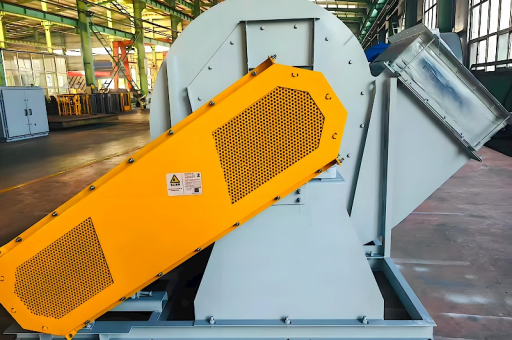
In industrial environments—especially machinery plants—air quality and temperature control are not optional. Dust, heat, fumes, and moisture accumulate rapidly, endangering both equipment and personnel. A 3231pa Machinery Plants 7.5kw Stainless Steel Ventilation Fan is engineered to solve these exact challenges. Unlike standard low-pressure fans, this unit delivers 3231 pascals of static pressure, making it ideal for pushing air through long duct runs, dense filtration systems, or high-resistance exhaust paths. The 7.5kw motor provides the torque needed for continuous heavy-duty operation, while the stainless steel construction ensures survival in corrosive or washdown environments.
This guide covers everything from technical specifications to real-world application, helping you decide if this fan is the right fit for your facility.
Technical Breakdown: Understanding the 3231pa & 7.5kw Specs
Static Pressure (3231pa)
Static pressure measures the fan’s ability to overcome resistance. A rating of 3231 pascals (approximately 13 inches of water gauge) classifies this as a medium-to-high-pressure industrial fan. It can efficiently move air through:
- Long ductwork (over 30 meters)
- HEPA or bag filters
- Heat exchangers
- Multiple branches with dampers
Motor Power (7.5kw / 10 HP)
The 7.5kw motor balances energy consumption with output. For reference:
- 5kw at 3-phase 380V draws ~15A full load
- Suitable for 24/7 operation with proper thermal protection
- Direct-drive or belt-driven options available depending on model variant
Airflow Rate
While exact CFM depends on system resistance, a typical 7.5kw fan with 3231pa pressure moves approximately 8,000–12,000 CFM at zero static and around 4,000–6,000 CFM at rated pressure. Always consult the fan curve for your specific installation.
Stainless Steel Advantage: Corrosion Resistance & Longevity
Why stainless steel? In machinery plants, fans face:
- Chemical vapors from coolants or cleaning agents
- High humidity from steam or washdown processes
- Metal dust that can cause galvanic corrosion
Standard painted steel or aluminum fans degrade quickly under these conditions. A stainless steel ventilation fan (typically SS304 or SS316) offers:
- Chemical resistance to acids, alkalis, and salts
- Temperature tolerance up to 200°C continuous (with appropriate seal upgrades)
- Hygienic surface — easy to clean, no paint chipping
- Longer service life — often 3–5x the lifespan of carbon steel fans
The impeller, housing, and hardware are all stainless, eliminating rust spots that can unbalance rotating parts.
Application Scenarios: Where This Fan Excels
| Industry | Specific Use Case | Why This Fan Fits |
|---|---|---|
| Metalworking | Extracting welding fumes & grinding dust | High static pressure overcomes filter loading |
| Chemical Processing | Ventilating reactor rooms or storage areas | Stainless steel resists corrosive gases |
| Food & Beverage | Exhaust from ovens, fryers, or steam tunnels | Easy washdown & FDA-compliant materials |
| Wastewater Treatment | Aerating tanks or venting biogas | Moisture & chemical resistant construction |
| Foundries | Removing heat and particulates | 5kw motor handles high temperature loads |
Real-world example: A mid-sized automotive parts plant replaced 4 standard fans (5.5kw each) with two 7.5kw stainless steel units and saw a 30% reduction in energy use while improving air exchange by 40%.
Installation Best Practices for Maximum Efficiency
To get the most from your 3231pa fan:
- Duct design — Keep duct diameter at least 1.25x the fan outlet. Avoid sharp 90° elbows; use 45° or radius bends.
- Mounting — Use vibration isolators to prevent structure-borne noise. The fan will weigh 80–120 kg depending on model.
- Electrical — Install a dedicated motor starter with overload protection. Verify voltage matches your plant supply (208V, 380V, or 460V).
- Inlet/outlet clearance — Leave 1.5x duct diameter clearance at the inlet to avoid turbulence.
- Weather protection — For outdoor use, add a weather hood and bird screen.
Maintenance Tips to Extend Fan Lifespan
- Weekly — Listen for unusual vibration or noise; check fasteners.
- Monthly — Clean impeller blades with a soft brush or compressed air to prevent imbalance.
- Quarterly — Grease bearings (if regreasable); inspect belt tension (if belt-driven).
- Annually — Check motor winding resistance; test thermal overload; verify fan curve performance.
Pro tip: Stainless steel fans rarely need repainting, but periodic passivation (citric acid wash) can restore the protective oxide layer.
Frequently Asked Questions (FAQ)
Q1: Can this fan handle explosive environments?
A: The standard model is not ATEX-rated. For explosive dust or gas, request an explosion-proof motor and non-sparking impeller (aluminum bronze or stainless steel with spark-resistant tips).
Q2: What is the noise level at 3 meters?
A: Typically 75–85 dB(A) depending on speed and duct configuration. A silencer (inlet/outlet) can reduce this by 10–15 dB.
Q3: Is the 7.5kw motor inverter-ready for VFD control?
A: Most modern motors are inverter-duty rated. Confirm with the manufacturer, but standard TEFC motors often work with VFDs if derated by 10%.
Q4: How does the 3231pa compare to a typical exhaust fan?
A: Standard wall-mounted exhaust fans rarely exceed 500 pa. At 3231pa, this fan is in the “industrial high-performance” category, suitable for long duct runs or high-pressure drops.
Q5: Can I order this fan with a specific voltage?
A: Yes. Most suppliers offer 220–240V single-phase, 380V 3-phase, or 460V 3-phase. Always specify when ordering.
Q6: Does stainless steel eliminate the need for a coating?
A: Yes, for most environments. For aggressive acids (e.g., hydrochloric), SS316 is recommended. For saltwater, consider duplex stainless steel.
Conclusion: Making the Right Investment for Your Facility
The 3231pa Machinery Plants 7.5kw Stainless Steel Ventilation Fan is a high-performance solution for facilities that demand reliable, corrosion-resistant airflow under pressure. Its combination of strong static pressure, robust motor power, and durable stainless steel construction makes it a cost-effective choice over the long term—despite a higher upfront price than painted steel fans.
To ensure you select the correct model, review your system’s total static pressure (duct friction + filter drop + equipment resistance) and match it to the fan’s performance curve. When in doubt, consult the manufacturer’s engineering team or a qualified HVAC professional. A properly specified and installed fan will deliver clean, safe air for 10–15 years with minimal maintenance.
For purchase inquiries, technical support, or customized configurations (ATEX, different voltages, or higher pressure ratings), contact your local industrial ventilation supplier. Search for fan to explore compatible accessories like variable frequency drives, weather hoods, and silencers.
Disclaimer: Specifications may vary by manufacturer. Always verify product datasheets with your supplier.





