
This article's table of contents introduction:
- Alloy Steel (Material)
- Double Inlet (Design & Airflow)
- Material Handling (Function)
- Lime Kiln (Application)
- Centrifugal Fan (Type)
- Summary: Why this specific combination is used
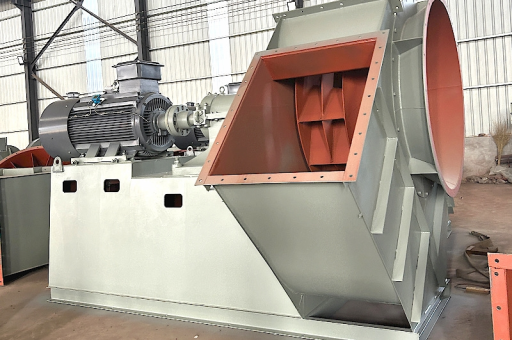
This is a highly specific and industrial piece of equipment. Let's break down what this description means, where it is used, and why those specific materials and design choices are critical.
In short, the phrase describes a heavy-duty, custom-engineered fan designed to move abrasive and hot gases in a steel or lime manufacturing plant.
Here is a detailed breakdown of each component of the name and its implications:
Alloy Steel (Material)
- Why not Carbon Steel? Standard carbon steel would corrode and erode very quickly in this environment. Lime kiln gas contains moisture, sulfur compounds, and CO2, which create a corrosive environment, especially at high temperatures.
- The Choice: The specific alloy (e.g., Corten steel, HARDOX, or Hastelloy for extreme cases) is chosen for:
- Abrasion Resistance: To withstand the erosive impact of dust, lime particles, and clinker fragments.
- Corrosion Resistance: To resist acidic condensates that form when the gas cools.
- Heat Resistance: To maintain strength at elevated temperatures (200°C - 400°C+).
- Trade-off: Alloy steel is significantly more expensive and harder to weld than carbon steel.
Double Inlet (Design & Airflow)
- Meaning: The fan has two separate air inlets, one on each side of the impeller (wheel).
- Why?
- High Volume, Moderate Pressure: For a given impeller diameter, a double-inlet fan can move roughly twice the volume of air compared to a single-inlet fan.
- Space Efficiency: It provides a very high flow rate in a relatively compact footprint.
- Better Load Distribution: The impeller is supported at both ends (outboard bearings), reducing shaft deflection and bearing stress compared to a large single-inlet overhung fan.
- Downside: It is more complex to duct into, requiring a Y-shaped or plenum inlet.
Material Handling (Function)
- What it means: This is the most critical performance specification. This is not a clean-air fan.
- Key Features:
- Heavy-Duty Impeller: Made of thick plate alloy steel.
- Radial or Paddle Blades: These are backward-inclined or radial-tipped blades that are self-cleaning and resistant to material buildup.
- Large Clearance: The gap between the impeller and the housing is larger than a standard fan to allow small lumps of material to pass without jamming.
- Wear Protection: The housing often includes replaceable wear liners (thick alloy steel plates) at the "cut-off" (volute tongue) and the impeller blade tips, where erosion is worst.
- Commonly Handled Materials: Lime dust, coal dust, clinker fragments, limestone particles, ash.
Lime Kiln (Application)
- The Environment:
- High Temperature: Gas temperatures can range from 150°C (at the cold end) to over 400°C (near the hot zone or in the cooler). The fan often requires a cooling wheel (a small auxiliary fan on the shaft) or a water-cooled shaft to prevent heat conduction to the bearings.
- Abrasive Dust: Lime (CaO) is a fine, highly abrasive powder.
- Sticky Deposits: The gas can contain volatile compounds (sulfur, alkalis) that form sticky deposits on the impeller blades, causing imbalance.
- Specific Fan Role in a Lime Kiln:
- Induced Draft (ID) Fan: Pulls combustion gases through the entire kiln system (preheater, calciner, cooler). This is the most common application.
- Forced Draft (FD) Fan: Pushes combustion air into the burner.
- Cooling Air Fan: Blows cold air onto the product in the cooler section.
Centrifugal Fan (Type)
- How it works: A rotating impeller throws the gas outward by centrifugal force, creating pressure. This is the standard design for high-pressure, high-volume, dirty-gas applications.
- Contrast: Axial fans (like a desk fan) are for low pressure, clean air.
Summary: Why this specific combination is used
The Alloy Steel Double Inlet Material Handling Blower Lime Kiln Centrifugal Fan is the "workhorse of the lime plant."
- The problem: You need to move a massive volume of hot, dirty, corrosive, and abrasive gas, often with a high static pressure (to overcome resistance from the kiln and pollution control equipment like baghouses or scrubbers).
- The solution: A double-inlet design gives you the volume. An alloy steel construction gives you durability against wear and heat. A material handling design ensures the fan doesn't clog or fail immediately. A centrifugal design provides the necessary pressure.
Potential Failure Points (and why the engineering is critical):
- Imbalance: Lime dust buildup on the blades causes vibration. Many fans have cleaning ports or require periodic wash cycles.
- Thermal Growth: The shaft and housing expand at different rates. The bearings and shaft seals must be designed to accommodate this expansion.
- Erosion: The leading edge of the blades and the volute tongue wear out first. Without alloy steel and thick liners, this fan would fail in weeks. With proper material, it can last years.





