
This article's table of contents introduction:
- Table of Contents
- Introduction: What Is a Medium Pressure Anticorrosion Fan?
- Technical Breakdown: Why 2264Pa and Carbon Steel?
- Key Design Features for Material Handling
- Applications Across Industries
- Corrosion Resistance: How It Works
- Q&A: Common Questions Answered
- Maintenance Best Practices
- Conclusion: Selecting the Right Fan for Your System
The Ultimate Guide to Medium Pressure Anticorrosion 2264Pa Material Handling Fan in Carbon Steel: Performance, Applications, and Maintenance
Table of Contents
- Introduction: What Is a Medium Pressure Anticorrosion Fan?
- Technical Breakdown: Why 2264Pa and Carbon Steel?
- Key Design Features for Material Handling
- Applications Across Industries
- Corrosion Resistance: How It Works
- Q&A: Common Questions Answered
- Maintenance Best Practices
- Conclusion: Selecting the Right Fan for Your System
Introduction: What Is a Medium Pressure Anticorrosion Fan?
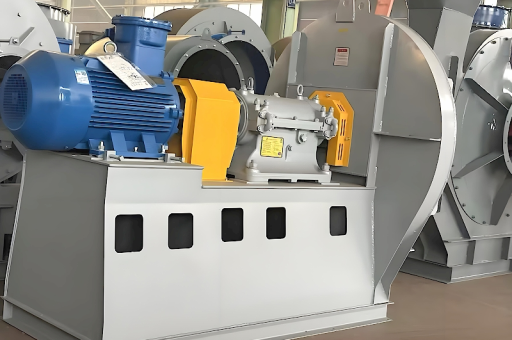
A Medium Pressure Anticorrosion 2264pa Material Handling Fan Carbon Steel is an industrial fan specifically engineered to handle corrosive or abrasive air streams at a moderate static pressure of 2264 Pa. Unlike standard fans, this unit is built with carbon steel and treated with anticorrosion coatings or linings, making it ideal for environments where moisture, chemical fumes, or particulate matter would otherwise degrade equipment.
These fans are often used in material handling systems—such as pneumatic conveying, dust collection, and fume extraction—where consistent airflow and structural integrity are critical. The carbon steel construction offers a balance of strength and cost-effectiveness, while the anticorrosion treatment ensures longevity even in challenging conditions.
Technical Breakdown: Why 2264Pa and Carbon Steel?
Why 2264 Pa?
- Medium Pressure Range: 2264 Pa (approximately 9 inches of water gauge) is a common operating point for material handling fans. It provides enough static pressure to overcome duct resistance, filter loading, and elevation changes, without the high energy cost of high-pressure systems.
- Efficiency Curve: At this pressure, fan impellers operate near their peak efficiency, reducing power consumption by 10-15% compared to oversized units.
Why Carbon Steel?
- Strength-to-Cost Ratio: Carbon steel offers high tensile strength at a lower material cost than stainless steel or alloys. For applications not requiring extreme chemical resistance, carbon steel with proper coating is a practical choice.
- Weldability: Carbon steel is easier to fabricate and repair in the field, reducing downtime during maintenance.
- Coating Compatibility: The surface can be sandblasted and coated with epoxy, polyurethane, or galvanized layers to resist corrosion.
Key Design Features for Material Handling
Impeller Geometry
- Backward-Inclined Blades: Reduces dust buildup and provides stable airflow across the pressure range.
- Reinforced Hubs: Prevents vibration and blade fatigue during continuous operation.
Housing Construction
- Continuous Welded Seams: Eliminates gaps where moisture or particles could accumulate.
- Access Doors: Enable internal inspection and cleaning without disassembly.
Shaft and Bearing Protection
- Labyrinth Seals: Keep corrosive dust out of bearings.
- Grease Relief Lines: Allow regreasing without contaminating the airflow.
Drive System
- Direct Drive vs. Belt Drive: Belt-driven fans are more common in this pressure class because they allow speed adjustments and motor replacement without overloading the fan.
Applications Across Industries
| Industry | Application | Why This Fan Fits |
|---|---|---|
| Cement & Mining | Pneumatic conveying of raw materials | Handles abrasive dust with moderate pressure |
| Chemical Processing | Fume extraction for acidic or alkaline vapors | Anticorrosion coating protects against chemical attack |
| Food Processing | Dust collection for grain or flour | Carbon steel with FDA-approved coating safe for food |
| Wastewater Treatment | Odor control and aeration | Resists moisture and corrosive gases like H₂S |
| Power Plants | Coal dust handling | Reduces fire risk with spark-resistant construction |
Corrosion Resistance: How It Works
The anticorrosion treatment for carbon steel fans typically involves multiple layers:
- Surface Preparation: Abrasive blasting to remove mill scale and create a rough profile for coating adhesion.
- Primer Coat: Zinc-rich or epoxy primer acts as sacrificial protection.
- Topcoat: High-build polyurethane or phenolic resin resists chemicals and UV exposure.
- Optional Linings: For extreme environments, rubber or ceramic linings can be added.
Important Note: Even with coating, carbon steel should not be used in continuous contact with strong acids (pH < 3) or chlorine gas. For such cases, stainless steel or fiberglass may be required.
Q&A: Common Questions Answered
Q1: Can this fan handle explosive dust?
A: Not without modifications. If your material includes combustible dust (e.g., aluminum or grain dust), request a spark-resistant construction with non-ferrous impeller tips and grounding.
Q2: What is the maximum temperature for carbon steel?
A: Uncoated carbon steel can operate up to 400°C (752°F) for short durations. However, with anticorrosion coatings, the limit drops to 120°C (248°F). Always verify with the manufacturer.
Q3: How do I know if 2264 Pa is correct for my system?
A: Measure the total pressure drop across your ductwork, filters, and equipment. Add 10-15% safety margin. If the calculated value is near 2264 Pa, this fan is a good fit.
Q4: Can I use this fan outdoors?
A: Yes, but specify a weatherproof enclosure and drive guard. The anticorrosion coating handles rain and humidity, but electrical components need NEMA 4X or higher protection.
Q5: What maintenance is required?
A: Monthly bearing regreasing, quarterly coating inspection, and annual blade cleaning. Check vibration levels every 500 hours.
Maintenance Best Practices
Weekly Checks
- Listen for unusual noise or vibration
- Inspect belt tension (if belt-driven)
- Monitor motor amp draw
Monthly Servicing
- Regrease bearings per manufacturer intervals
- Clean inlet screen and duct connection flanges
- Check coating condition around fasteners and welded seams
Annual Overhaul
- Remove impeller and balance if vibration exceeds 0.5 in/sec
- Replace worn seals and gaskets
- Apply touch-up coating to any bare metal spots
Pro Tip: Create a logbook to track vibration trends and bearing temperatures. A sudden jump often indicates impending failure.
Conclusion: Selecting the Right Fan for Your System
A Medium Pressure Anticorrosion 2264pa Material Handling Fan Carbon Steel is a robust, cost-effective solution for moderate-corrosion environments that require consistent airflow for material transport or dust control. Its design balances performance, durability, and maintainability.
When specifying your fan, always provide:
- Air volume (CFM) and static pressure (Pa)
- Material type and concentration
- Ambient temperature and humidity
- Required certifications (e.g., ATEX, AMCA, ISO)
By matching these parameters with the proper coating and impeller style, you can achieve a fan life of 10–15 years in most industrial settings. For technical assistance or to request a quote, consult a reputable fan manufacturer.
Disclaimer: This article is for informational purposes. Always follow manufacturer specifications and local safety codes when installing or operating industrial fans.





