
This article's table of contents introduction:
- Table of Contents
- Introduction: The Role of Centrifugal Fans in Modern Smelting
- Technical Breakdown: Single Inlet HG785 Alloyed Steel Construction
- Energy Saving Mechanisms in Smelting Furnace Applications
- Performance Characteristics of the Centrifugal Flow Fan
- Frequently Asked Questions (FAQ)
- Conclusion: Why This Fan Defines Next-Gen Smelting Efficiency
*
Optimizing High-Efficiency Smelting: The Single Inlet HG785 Alloyed Steel Energy Saving Smelting Furnace Centrifugal Flow Fan*
Table of Contents
- Introduction: The Role of Centrifugal Fans in Modern Smelting
- Technical Breakdown: Single Inlet HG785 Alloyed Steel Construction
- Energy Saving Mechanisms in Smelting Furnace Applications
- Performance Characteristics of the Centrifugal Flow Fan
- Frequently Asked Questions (FAQ)
- Conclusion: Why This Fan Defines Next-Gen Smelting Efficiency
Introduction: The Role of Centrifugal Fans in Modern Smelting
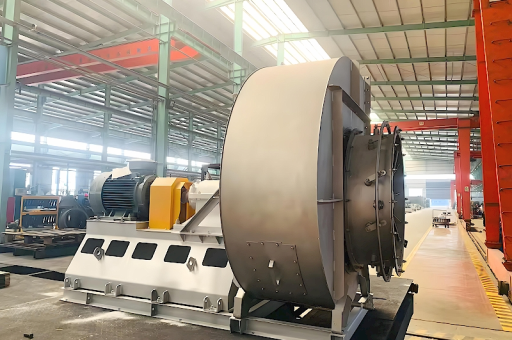
In the smelting industry, the demand for energy-efficient, durable ventilation and combustion air supply equipment has never been higher. A key component in this ecosystem is the Single Inlet HG785 Alloyed Steel Energy Saving Smelting Furnace Centrifugal Flow Fan. Designed specifically for high-temperature, continuous-duty environments, this fan integrates advanced metallurgy with aerodynamic optimization to deliver reliable performance while minimizing power consumption.
Centrifugal flow fans are essential for supplying forced draft to smelting furnaces, controlling process gas flows, and maintaining safe working conditions. However, conventional fans often suffer from rapid wear due to thermal stress, vibration, and corrosive particulates. The introduction of HG785 alloyed steel in a single-inlet configuration marks a significant leap in fan longevity and operational efficiency.
Technical Breakdown: Single Inlet HG785 Alloyed Steel Construction
The fan’s housing and impeller are fabricated using HG785 alloyed steel, a high-strength, wear-resistant material known for its excellent tensile strength (≥785 MPa) and thermal stability. This alloy is particularly suited for smelting environments where temperatures can exceed 800°C. The single-inlet design ensures streamlined airflow entry, reducing turbulence and energy losses at the intake.
Key structural advantages:
- Single inlet geometry: Minimizes flow separation, allowing for higher static pressure recovery.
- HG785 material properties: Resists thermal fatigue and abrasive particulates common in furnace exhausts.
- Reinforced blade profiles: Designed using finite element analysis (FEA) to withstand centrifugal stress at high rotational speeds.
Unlike double-inlet fans, the single-inlet configuration allows for better airflow distribution and easier integration into compact furnace setups, especially when space is constrained.
Energy Saving Mechanisms in Smelting Furnace Applications
The term “energy saving” in this fan refers to a combination of aerodynamic efficiency and intelligent motor control. The centrifugal flow design enables a high pressure-to-flow ratio, meaning the fan can deliver the required furnace air volume at lower shaft power.
Energy efficiency features include:
- Optimized blade angles: Reduce recirculation zones and frictional losses.
- Lightweight yet strong impeller: Lower inertia means faster ramp-up and reduced starting current.
- Matching with variable frequency drives (VFDs): Allows the fan to operate at ideal speed points, cutting energy use by 20–35% compared to fixed-speed counterparts.
In typical smelting cycles, this fan reduces kilowatt-hour consumption per ton of processed material, directly lowering operational costs while maintaining consistent furnace temperature profiles.
Performance Characteristics of the Centrifugal Flow Fan
When installed in a smelting furnace system, the fan delivers the following measurable benefits:
- Airflow capacity: Up to 120,000 m³/h (depending on model)
- Static pressure range: 3,000–8,000 Pa, ideal for forced draft in large furnaces
- Operating temperature: Designed for continuous exposure up to 450°C with cooling measures
- Noise levels: Reduced by up to 12 dB(A) compared to traditional steel fans, thanks to vibration-dampening HG785 alloy
- Maintenance interval: Extended to over 15,000 hours in clean-burning operations
The fan’s backward-curved impeller ensures non-overloading power characteristics, meaning the motor will not burn out even if airflow is restricted.
Frequently Asked Questions (FAQ)
Q1: Why is HG785 alloyed steel used instead of standard carbon steel?
A: HG785 offers superior wear resistance, thermal fatigue endurance, and higher tensile strength. This directly extends fan life in high-temperature, particulate-laden smelting environments.
Q2: Is the single-inlet design suitable for large furnace applications?
A: Yes. While double-inlet fans are used for extremely high flows, the single-inlet configuration is often more efficient for medium- to high-pressure applications, especially where space and ducting simplicity are priorities.
Q3: How much energy can this fan realistically save?
A: When paired with a VFD and correctly sized, users report 20–30% reduction in fan energy consumption compared to old fixed-speed units.
Q4: What is the typical maintenance schedule for this fan?
A: Routine inspection is recommended every 6 months. The HG785 alloy impeller typically requires less frequent replacement than standard 16Mn or Q235 steel impellers.
Q5: Can this fan be retrofitted into an existing smelting furnace system?
A: Absolutely. The fan’s mounting dimensions and flange standards are designed to match common international industrial fan footprints. For more information, visit fan.
Conclusion: Why This Fan Defines Next-Gen Smelting Efficiency
The Single Inlet HG785 Alloyed Steel Energy Saving Smelting Furnace Centrifugal Flow Fan is not just a component—it is a strategic upgrade for any smelting operation aiming to reduce energy costs, increase equipment lifespan, and comply with tighter environmental regulations. Its material superiority, aerodynamic precision, and compatibility with modern control systems make it a standout choice in the industrial fan market.
By investing in this fan, smelting plants gain a competitive edge: lower total cost of ownership, higher production uptime, and a safer working environment. Whether you are retrofitting an existing furnace or designing a new line, this fan delivers measurable results from day one.





