
This article's table of contents introduction:
- Article Directory / Table of Contents
- Introduction: The Invisible Hero of the Foundry
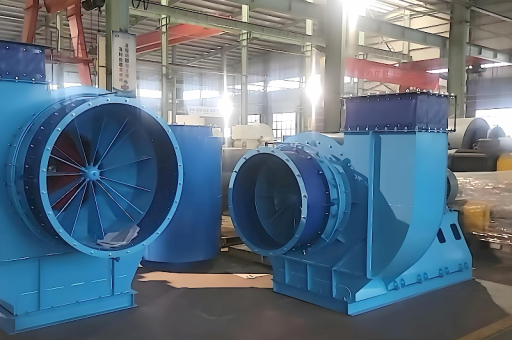
- The Core Equipment: What is a Foundry Furnace Dust Collector Blower Fan?
- Why Blue and White? Aesthetics, Material Science, and Heat Management
- Technical Deep Dive: Air Blower Performance Metrics
- Operational Challenges: High-Temperature Flue Gas, Particulate Matter, and Maintenance
- Installation Best Practices for Industrial Dust Collection Systems
- Frequently Asked Questions (FAQ) – Addressing Foundry-Specific Concerns
- Case Study: Optimizing a Mid-Size Foundry’s Ventilation with a High-Efficiency Blower
- Conclusion: Selecting the Right Air Blower for Long-Term Reliability
Maximizing Efficiency in Industrial Foundry Operations: The Critical Role of Blue and White Dust Collector Blower Fans
Article Directory / Table of Contents
- Introduction: The Invisible Hero of the Foundry
- The Core Equipment: What is a Foundry Furnace Dust Collector Blower Fan?
- Why Blue and White? Aesthetics, Material Science, and Heat Management
- Technical Deep Dive: Air Blower Performance Metrics (CFM, Static Pressure, and Motor Power)
- Operational Challenges: High-Temperature Flue Gas, Particulate Matter, and Maintenance
- Installation Best Practices for Industrial Dust Collection Systems
- Frequently Asked Questions (FAQ) – Addressing Foundry-Specific Concerns
- Case Study: Optimizing a Mid-Size Foundry’s Ventilation with a High-Efficiency Blower
- Conclusion: Selecting the Right Air Blower for Long-Term Reliability
Introduction: The Invisible Hero of the Foundry
In the relentless heat and noise of a metal foundry, where furnaces melt iron, steel, or aluminum at temperatures exceeding 1,500°C (2,732°F), the air quality rapidly becomes hazardous. Without an effective industrial dust collection system, the workspace would quickly fill with metallic fumes, fine particulate, and toxic gases. At the heart of this life-saving system sits a single, critical component: the foundry furnace dust collector blower fan.
This article explores the nuanced world of heavy-duty air blowers specifically designed for foundry dust collection. We will focus on a distinctive and increasingly popular variant: the blue and white dust collector blower fan, examining why this color scheme is more than cosmetic, how it integrates with furnace exhaust systems, and why it represents a benchmark in industrial reliability. Whether you are a plant manager, a maintenance engineer, or a procurement specialist, understanding the technical specifications of these fans is essential for compliance with occupational safety standards (such as OSHA in the US or CO2 emission rules globally) and for ensuring a profitable, safe operation.
The Core Equipment: What is a Foundry Furnace Dust Collector Blower Fan?
A dust collector blower fan is not a generic room fan. It is a heavy-duty centrifugal fan (often called a radial fan) engineered to create a vacuum within a dust collection system. In a foundry setting, this fan performs three primary jobs:
- Extraction: It pulls dirty, hot air and particulate from the furnace hood, melting pots, and pouring stations.
- Transportation: It moves the contaminated air stream through ductwork to a filtration unit (baghouse, cartridge filter, or cyclone).
- Exhaust: It forces the cleaned air back into the atmosphere or into a secondary scrubber.
The term “fan” in this context refers to the entire rotating assembly—casing, impeller, shaft, bearings, and motor. The “blower” often implies a higher-pressure generation capability compared to a standard ventilation fan. For foundry use, the air blower must handle both high temperatures (often up to 260°C or 500°F) and abrasive particles like sand, scale, and metallic dust.
Why Blue and White? Aesthetics, Material Science, and Heat Management
The distinctive blue and white color scheme is not a mere marketing gimmick. It serves practical engineering functions:
- Heat Reflection: The white paint (often a high-temperature epoxy or polyester powder coat) reflects radiant heat from the furnace and ambient environment. This reduces the thermal load on the fan casing and motor enclosure, extending the life of seals and bearings.
- Corrosion Resistance: Blue or white coatings are often formulated with UV inhibitors and corrosion-resistant primers. In a foundry, acidic fumes from flux materials can degrade standard paint. A marine-grade blue and white finish provides an extra layer of defense.
- Visual Inspection: A uniform blue and white finish makes it easier to spot thermal hot spots, weld cracks, or paint blistering during routine inspections. Any discoloration or peeling is a clear warning sign of system overheat.
- Branding & Standardization: Many high-end manufacturers (e.g., Chicago Blower, New York Blower) use specific blue and white schemes to signify industrial-grade, heavy-duty lineage. It signals to inspectors and engineers that the unit is built for continuous duty, not intermittent light use.
Technical Deep Dive: Air Blower Performance Metrics
To select the correct dust collector blower fan for a foundry furnace, you must understand three key metrics:
- Airflow (CFM - Cubic Feet per Minute): This measures the volume of air moved. A furnace hood may require 1,500 CFM for a small melting pot, but large induction furnaces can exceed 20,000 CFM.
- Static Pressure (in. w.g. - inches water gauge): This measures the resistance the fan must overcome. Ductwork, elbows, dampers, and especially the filter media (baghouse) create significant resistance. A typical foundry dust collector blower needs 10–20 in. w.g. of static pressure.
- Brake Horsepower (BHP): The power required at the fan shaft. The motor size (in kW or HP) must be at least 1.15 times the BHP to prevent overload, especially when handling hot air that is less dense.
Example Specification for a Blue and White Industrial Blower: A common unit for a mid-size ducted system might be a 15 HP motor, turning at 1,770 RPM, producing 8,500 CFM at 12 in. w.g. static pressure, with an inlet temperature rating of 180°C (356°F). The fan impeller would be constructed from heavy-gauge steel or, for abrasive dust, from AR400 abrasion-resistant steel.
Operational Challenges: High-Temperature Flue Gas, Particulate Matter, and Maintenance
Foundry air blowers operate under severe stress:
- Thermal Expansion: Bearings must be specially shielded and greased for high-temp operation. Standard bearings fail quickly. The shaft must be designed to expand without binding.
- Abrasion: Sand and metal dust act like sandpaper on the impeller blades. A direct-drive blower fan with a radial blade design (which is less efficient but highly rugged) is preferred over backward-curved blades for extremely abrasive duty.
- Condensation: When the furnace is off, the metal casing cools, and moisture can condense inside the fan scroll. If mixed with sulfur or chlorine gases, this forms corrosive acid. The blue and white coating must be acid-resistant.
- Maintenance Schedule: A failing air blower is the number one cause of entire dust collection system shutdown. Most foundry engineers recommend quarterly vibration analysis, monthly belt tension checks (if belt-driven), and annual bearing replacement.
Installation Best Practices for Industrial Dust Collection Systems
To maximize the lifespan of your blue and white dust collector blower fan:
- Inlet Boxes: Use a transition piece that allows the air to enter the fan eye smoothly. Poor inlet conditions cause turbulence, reduced CFM, and early impeller failure.
- Vibration Isolation: Mount the fan on spring isolators or a heavy inertia base to prevent structural vibration transfer. This protects both the building and the fan bearings.
- Ductwork Design: Avoid sharp 90-degree elbows near the fan inlet. Use radius elbows or turning vanes. The rule of thumb is: 2.5 duct diameters of straight run before the fan inlet.
- Weather Protection: Even indoors, foundries are dusty and hot. The blue and white fan should be fitted with a weather hood if placed near a roof opening.
Frequently Asked Questions (FAQ) – Addressing Foundry-Specific Concerns
Q1: Why does my foundry furnace dust collector blower fan need to be blue and white? A: The color is not just aesthetic. White reflects heat, reducing thermal strain on the motor and casing. Blue provides a durable, corrosion-resistant finish against chemical fumes. Many industrial standards use this color code to indicate heavy-duty, high-temperature continuous-duty equipment.
Q2: Can a standard centrifugal fan work for foundry dust collection? A: No. Standard HVAC fans are not built to handle temperatures above 80°C (176°F) or abrasive particles. A dedicated dust collector blower fan features a heavy-duty shaft, high-temperature bearings, and a robust impeller that can handle up to 260°C and particulate loading. Using a standard fan poses a fire and mechanical failure risk.
Q3: How often should I replace the fan bearings on an industrial air blower? A: For a blue and white foundry blower operating 24/7, replace bearings every 12–18 months. However, if you perform predictive maintenance using vibration sensors, you can extend this to 24–36 months, but never exceed the manufacturer’s L10 life rating.
Q4: What is the difference between a belt-driven and direct-drive dust collector fan? A: Belt-driven fans allow you to adjust the fan speed (by changing pulley diameters) to fine-tune CFM and static pressure. Direct-drive fans have higher efficiency and require less maintenance (no belt tensioning) but offer no speed flexibility. For variable furnace loads, belt-driven is often preferred in foundries.
Q5: My blue and white fan is vibrating after six months. What is likely wrong? A: The most common cause is impeller imbalance due to dust buildup or erosion. Check for heavy deposits on the blades. If the impeller is clean, the next checking points are bearing wear and shaft alignment. Vibration above 0.1 in/s (inches per second) typically indicates a need for service.
Q6: How do I size an air blower for a new foundry furnace hood? A: You must calculate the hood capture velocity (typically 100–150 feet per minute for fume capture). Multiply this by the hood face area. Then add 20% for static pressure losses through the duct and filter. Consult a mechanical engineer or fan manufacturer for a proper fan curve selection.
Case Study: Optimizing a Mid-Size Foundry’s Ventilation with a High-Efficiency Blower
Background: A gray iron foundry in the Midwest (USA) was struggling with excessive heat and visible smoke in the melt deck area. They used a 20-year-old gray painted fan that was constantly overheating in summer months. Maintenance crews were replacing bearings every 6 months.
Solution: The plant replaced the old unit with a modern blue and white dust collector blower fan—a 25 HP, direct-drive radial unit with a high-temperature coating and an insulated casing. They also installed a variable frequency drive (VFD) to modulate speed based on furnace load.
Results:
- Bearings: Replacement interval extended to 18 months (200% improvement).
- Energy: The VFD reduced average motor consumption from 25 kW to 18 kW, saving approximately $5,000/year in electricity.
- Temperature: The white reflective coating dropped the casing temperature by approximately 12°C (21°F), improving safety for workers near the fan.
- Compliance: The increased CFM (from 9,500 to 12,000) brought the facility below OSHA’s particulate exposure limit.
This case illustrates that investing in properly engineered industrial air blowers with a durable blue and white finish is not a luxury—it is a direct path to lower total cost of ownership and higher worker safety.
Conclusion: Selecting the Right Air Blower for Long-Term Reliability
The foundry furnace dust collector blower fan is the circulatory system of any metal casting operation. Choosing a high-quality blue and white air blower is a decision that balances thermal management, corrosion resistance, and mechanical robustness. When evaluating options, do not focus solely on price. Consider the fan curve, the material of the impeller, the type of bearings, and the warranty terms.
A high-quality fan from a reputable manufacturer—properly sized, installed with best practices, and maintained with vibration analysis—will provide decades of reliable service. The blue and white color is your visual assurance: this unit was built to handle the harshest environments. Whether you are upgrading an aging system or commissioning a new greenfield foundry, prioritize a dust collector blower that can withstand the heat, the dust, and the relentless duty cycle of industrial production.
Think of your foundry furnace. Think of the dust and fumes. Then think of that robust blue and white fan spinning silently but powerfully in the background—the unsung hero keeping everyone safe and the air clean.





