
This article's table of contents introduction:
- Table of Contents / Directory Guide
- Introduction: The Critical Role of Material and Pressure in Dust Control
- Why Stainless Steel? Corrosion Resistance, Hygiene, and Durability
- Understanding the Mechanics: How a Centrifugal Fan Creates High Pressure
- The Core Application: Integrating the Fan into a Ventilated Dust Collector
- Key Performance Metrics: Static Pressure, Airflow, and Efficiency
- Design Variations: Radial vs. Backward-Curved Impellers for High Pressure
- Installation Best Practices for Optimal Dust Extraction
- Maintenance and Safety: Ensuring Longevity of Stainless Steel Components
- Frequently Asked Questions (FAQ)
- Conclusion: Selecting the Right Fan for Your Industrial Environment
The Ultimate Guide to Stainless Steel High Pressure Centrifugal Fans for Ventilated Dust Collection Systems
Table of Contents / Directory Guide
- Introduction: The Critical Role of Material and Pressure in Dust Control
- Why Stainless Steel? Corrosion Resistance, Hygiene, and Durability
- Understanding the Mechanics: How a Centrifugal Fan Creates High Pressure
- The Core Application: Integrating the Fan into a Ventilated Dust Collector
- Key Performance Metrics: Static Pressure, Airflow, and Efficiency
- Design Variations: Radial vs. Backward-Curved Impellers for High Pressure
- Installation Best Practices for Optimal Dust Extraction
- Maintenance and Safety: Ensuring Longevity of Stainless Steel Components
- Frequently Asked Questions (FAQ)
- Conclusion: Selecting the Right Fan for Your Industrial Environment
Introduction: The Critical Role of Material and Pressure in Dust Control
In modern industrial environments, the management of airborne particulates is not merely a matter of cleanliness—it is a fundamental requirement for worker safety, equipment longevity, and regulatory compliance. The cornerstone of any effective dry dust collection system is the fan unit, which must provide sufficient high pressure to overcome the resistance of ducts, filters, and hoods. When dealing with aggressive, abrasive, or hygroscopic dusts, the choice of fan material becomes critical. This is where the stainless steel high pressure centrifugal fan emerges as the industry standard. Unlike its carbon steel counterparts, a stainless steel construction offers unparalleled resistance to corrosion, heat, and physical wear.
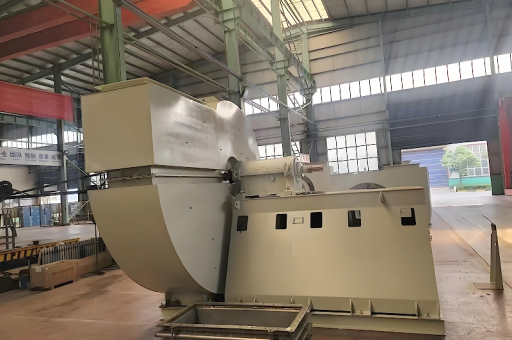
The specific phrase "Stainless Steel Ventilate Dust Collector Centrifugal Fan High Pressure" describes a sophisticated piece of equipment designed to move contaminated air through a filtration system with maximum static pressure. This article provides a technical yet practical deep dive into how these fans operate, why they are essential, and how to select the best one for your specific dust collection needs. By combining search engine optimized content with expert analysis, we transform complex engineering concepts into actionable knowledge.
Why Stainless Steel? Corrosion Resistance, Hygiene, and Durability
When specifying a fan for dust collection, the material of the housing and impeller often determines the system's lifespan. A standard carbon steel fan, even when painted, can rapidly degrade when exposed to moisture, chemical vapors, or highly acidic dust particles (e.g., in wood processing or chemical manufacturing). Stainless steel (typically grades 304 or 316L) provides a matrix of chromium that forms a passive oxide layer, effectively preventing rust.
For a ventilated dust collector, the benefits are threefold:
- Corrosion Resistance: In processes generating damp dust or volatile organic compounds (VOCs), moisture condensation inside the fan housing is common. Stainless steel withstands this without pitting or structural failure.
- Hygiene: In food processing or pharmaceutical applications, the smooth, non-porous surface of stainless steel is easier to clean and sanitize, preventing bacterial growth and cross-contamination.
- Spark Resistance: While not completely non-sparking, stainless steel is less likely to generate dangerous sparks upon impact compared to carbon steel, making it safer for combustible dust environments.
It is important to note that while stainless steel components cost more upfront, the total cost of ownership (TCO) often favors them due to reduced downtime, lower replacement frequency, and minimal maintenance.
Understanding the Mechanics: How a Centrifugal Fan Creates High Pressure
To grasp why a centrifugal fan is indispensable for a high pressure dust collector, one must understand its operating principle. Unlike axial fans (like a desk fan), which move air along the shaft axis, a centrifugal fan uses a rotating impeller to accelerate air radially outward. This process converts the kinetic energy of the spinning wheel into pressure energy (static pressure).
The fan creates high pressure through two primary mechanisms:
- Centrifugal Force: As the impeller rotates, it throws air outward from the center (eye) to the periphery, creating a powerful vortex.
- Velocity Reduction: Air exits the impeller at high velocity. When it enters the volute (the spiral-shaped housing), the cross-sectional area increases, causing a pressure rise as per Bernoulli’s principle. This high static pressure is critical for overcoming the resistance of long ductwork, sharp bends, and high-efficiency HEPA or bag filters in a dust collector system.
For professional engineers, the key specification is the fan curve—specifically, the point at which the fan delivers the required volume of air (CFM or m³/h) against the system’s peak static pressure (inH₂O or Pa). A true high pressure centrifugal fan for dust collection typically operates above 15 inH₂O static pressure and can reach 30-40+ inH₂O in industrial dense-phase conveying.
The Core Application: Integrating the Fan into a Ventilated Dust Collector
The phrase "Stainless Steel Ventilate Dust Collector Centrifugal Fan" describes a closed-loop system. The fan is the engine of the dust collector. Typically, the fan is placed after the filter media (a system known as "draw-through" or negative pressure). This means the fan pulls the dusty air through the inlet duct, across the filter bags or cartridges where dust is captured, and then exhausts clean air to the atmosphere or back into the facility.
In a negative pressure system, the stainless steel fan handles only filtered air. However, in some designs (used for heavy wood chips or granular material), the fan is placed before the filter (blow-through). In this case, the fan must be highly robust and abrasion-resistant. Because of the risk of impact, a stainless steel construction with a thick-walled radial impeller is crucial.
A proper ventilated system ensures that the fan motor is adequately cooled by the primary air stream or an external shroud. This prevents motor overheating, especially when running at peak high pressure for extended periods.
Key Performance Metrics: Static Pressure, Airflow, and Efficiency
When evaluating a fan for this application, three metrics dominate the selection curve:
- Airflow (CFM or m³/h): The volume of air the fan must move to capture dust at the source. This is dictated by hood capture velocity requirements.
- Static Pressure (SP) (inH₂O or Pa): The resistance the fan must overcome. In a dust collector, this includes pressure drop across filters (which increases as they load with dust), duct friction, and losses in entry and exit connections. A high pressure fan must compensate for this rising resistance, often requiring a fan curve that does not drop off steeply.
- Brake Horsepower (BHP) and Fan Efficiency: The power required to drive the impeller. Stainless steel impellers can be heavier than aluminum ones, requiring more start-up torque. A well-designed fan wheel with backward-curved blades offers the highest efficiency (70-85%), reducing energy costs over the fan's lifetime.
For SEO context, users searching for "best high pressure centrifugal fan for dust collector" are often looking for a design that maintains constant pressure despite clogging filters. The fan’s pressure curve should ideally be stable up to its peak pressure point.
Design Variations: Radial vs. Backward-Curved Impellers for High Pressure
The impeller blade design dictates the pressure capability and the material-handling capacity of the fan.
- Radial (Paddlewheel) Blades: These blades are straight and extend directly outward from the center. They are common in stainless steel heavy-duty dust collectors because they are self-cleaning and robust. They achieve very high static pressure but at lower efficiency. They are ideal for sticky or fibrous dusts that might clog other wheel types.
- Backward-Curved (Backward Inclined) Blades: These blades curve away from the direction of rotation. They are the gold standard for high pressure clean air applications. They provide the highest efficiency and a non-overloading power curve (meaning power draw peaks at a certain pressure and then falls off, reducing motor burnout risk). They are best suited for applications where the air is relatively clean (post-filter).
- Airfoil Blades: An advanced version of backward-curved blades, featuring a hollow, wing-shaped profile. These offer peak efficiency but are expensive and susceptible to abrasion.
For a ventilated dust collector handling abrasive powders (like sand or metal grinding dust), a radial wheel made of thick stainless steel is often preferred despite lower efficiency, due to its extreme durability.
Installation Best Practices for Optimal Dust Extraction
Installing a stainless steel high pressure centrifugal fan requires more than just bolting it to the floor. To maximize performance and lifespan in a dust collection system:
- Vibration Isolation: These fans operate at high speeds (1750-3500 RPM typically). Use rubber or spring vibration isolators to prevent transmitting forces to the ductwork.
- Flexible Connectors: Install a flexible canvas or Neoprene connector between the fan outlet and the rigid duct. This prevents thermal expansion stress and dampens vibration.
- Proper Inlet and Outlet Conditions: Ensure a smooth, straight inlet duct run of at least 2-3 duct diameters before the fan eye. Turbulent airflow at the inlet causes pre-rotation, dramatically reducing high pressure performance.
- Electrical Safety: In environments with combustible dust, the fan motor and controls must be properly rated (e.g., explosion-proof classification). The stainless steel fan housing itself should be grounded to prevent static electricity buildup.
Maintenance and Safety: Ensuring Longevity of Stainless Steel Components
While stainless steel is durable, it is not immune to wear. Regular maintenance of your ventilate dust collector fan is crucial for safety and reliability:
- Impeller Balance: Over time, dust build-up on the impeller blades can cause imbalance, leading to bearing failure. Inspect the wheel monthly. Stainless steel blades can be cleaned with a non-chlorinated cleaner to remove residue.
- Bearing Lubrication: Motors on high pressure fans run hot. Only use high-temperature, lithium-based grease. Over-greasing is a common cause of bearing failure.
- Housing Inspection: Check for debris accumulation in the volute. Also, inspect the shaft seal where it passes through the housing. A leaking seal can cause dust to escape, indicating the need for a maintenance seal replacement.
- Safety Protocol: Never operate the fan with the access door open. The powerful suction and rotating wheel pose severe injury risks. Always lock-out/tag-out (LOTO) the power source before cleaning the stainless steel housing.
Frequently Asked Questions (FAQ)
Q1: Can I use a standard painted carbon steel fan instead of stainless steel for a dust collector? A: Yes, for very dry, neutral dusts (like clean sawdust). However, if your dust has any moisture, chemical content, or if the environment is humid, the painted surface will quickly rust. A stainless steel fan is mandatory for food, pharmaceutical, or chemical applications. The extended life of the stainless unit almost always justifies the higher purchase price for industrial use.
Q2: What is the maximum static pressure a typical stainless steel centrifugal fan can achieve? A: This varies by design. A standard forward-curved fan might achieve 5-10 inH₂O. A true high pressure backward-curved or radial fan can achieve 15-40+ inH₂O. For very high pressures (pneumatic conveying), multi-stage centrifugal fans or a positive displacement blower is used. Always consult the specific fan curve for your model.
Q3: My dust collector fan is vibrating. Is this normal? A: No. A properly balanced centrifugal fan should run smoothly. Vibration is usually caused by: 1) Dust build-up on the impeller, 2) Worn bearings, 3) Loose base bolts, or 4) Misalignment of the motor and fan shaft. Immediate inspection is required as vibration can cause catastrophic failure of the stainless steel shaft.
Q4: Does the size of the fan affect its pressure capability? A: Yes, but not linearly. A larger diameter impeller spinning at the same RPM will produce more pressure. However, the blade design (radial vs. backward-curved) and the tip speed (RPM x wheel diameter) are the primary determinants of high pressure generation. A smaller, faster fan can produce higher pressure than a larger, slow fan.
Q5: Is a stainless steel fan non-sparking? A: Not inherently. Stainless steel can still produce sparks under heavy impact with hard objects. For Class I or Class II hazardous (explosive) dust locations, you typically need a fan with a non-ferrous impeller (like aluminum or bronze) or a fully lined stainless steel fan with spark-resistant coating. Always verify the fan’s Group and Classification rating for your specific dust type.
Conclusion: Selecting the Right Fan for Your Industrial Environment
Selecting a Stainless Steel Ventilate Dust Collector Centrifugal Fan High Pressure unit is a decision rooted in understanding both the physics of moving air and the chemistry of your dust. The correct fan provides the twin benefits of high static pressure to overcome filter resistance and robust material longevity to resist corrosion and heat.
For any serious industrial dust control operation—from metal fabrication to chemical processing—the investment in a stainless steel construction is not a luxury; it is a necessity. By prioritizing fan curve analysis, material selection (304 vs. 316L), and proper impeller design, you ensure years of reliable service, lower operational costs, and a safer working environment. When in doubt, consult with a manufacturer like fan to ensure your specific CFM and static pressure requirements are met with the correct impeller diameter and motor horsepower. The right fan is the heart of your dust collection system; keep that heart safe with stainless steel.





