
This article's table of contents introduction:
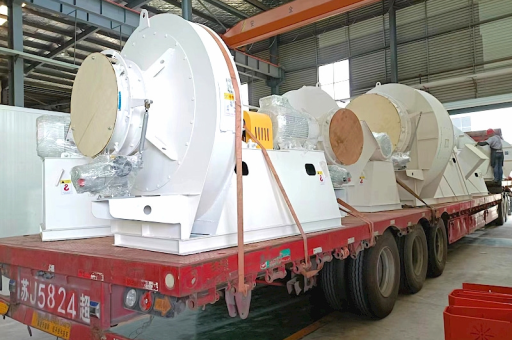
- Introduction to High-Temperature Ventilation Systems
- What is an Aluminium Alloyed V-Belt Driven Smelting Furnace Centrifugal Exhaust Fan?
- Core Design & Material Advantages
- Performance Metrics & Operational Data
- Installation, Maintenance, and Safety Protocols
- Industry Applications & Future Trends
- Conclusion
** The Ultimate Guide to the Aluminium Alloyed V-Belt Driven Smelting Furnace Centrifugal Exhaust Fan: Design, Performance, and Applications
Table of Contents (Directory Guide)
- Introduction to High-Temperature Ventilation Systems
- What is an Aluminium Alloyed V-Belt Driven Smelting Furnace Centrifugal Exhaust Fan?
- Q: Why specifically "Aluminium Alloyed"?
- Q: What is the role of the V-Belt drive in this fan?
- Core Design & Material Advantages
- Q: How does the aluminium alloy impeller improve efficiency?
- Q: Why is centrifugal force critical for smelting exhaust?
- Performance Metrics & Operational Data
- Q: What CFM range is typical for a smelting furnace fan?
- Q: Can this fan handle corrosive gases?
- Installation, Maintenance, and Safety Protocols
- Q: How often should the V-belt be tensioned?
- Q: What are the common failure points?
- Industry Applications & Future Trends
- Conclusion: Why This Fan is a Market Leader
Introduction to High-Temperature Ventilation Systems
In modern metallurgy and heavy industry, the management of flue gases, high-temperature particulates, and toxic fumes is not just a matter of compliance—it is a cornerstone of operational safety and productivity. The Aluminium Alloyed V-Belt Driven Smelting Furnace Centrifugal Exhaust Fan stands as a pinnacle of engineering designed specifically for these punishing environments. Unlike standard industrial fans that falter under thermal stress, this specialized unit leverages a unique material selection and a robust power transmission system to deliver consistent, high-volume airflow while resisting corrosion and fatigue.
This comprehensive guide explores the specific technical architecture, operational benefits, and maintenance requirements of this fan. We will dissect why aluminium alloys are the preferred choice for the impeller, how the V-belt drive system mitigates thermal expansion issues, and what this means for your facility's productivity. By the end of this article, you will have a clear understanding of why this fan is a critical component in any high-temperature exhaust application.
What is an Aluminium Alloyed V-Belt Driven Smelting Furnace Centrifugal Exhaust Fan?
At its core, this fan is a centrifugal exhaust unit specifically engineered for the extreme conditions found adjacent to smelting furnaces. The term "Aluminium Alloyed" refers to the construction of the rotating impeller (the fan wheel). "V-Belt Driven" describes the power transmission method between the electric motor and the fan shaft. Let's break down these two critical components.
Q: Why specifically "Aluminium Alloyed"? A: Steel impellers, while strong, become heavy and susceptible to thermal expansion and stress cracking at elevated temperatures. Aluminium alloys, particularly heat-treated grades like 6061-T6 or 5083, offer a superior strength-to-weight ratio. This reduces the rotational inertia of the impeller, allowing for faster acceleration and lower start-up current demands on the motor. More importantly, aluminium’s natural oxide layer provides excellent resistance to many of the corrosive acidic gases (such as sulfur dioxide) released during smelting. It also dissipates heat faster than steel, reducing the risk of localized hot spots that can cause mechanical imbalance.
Q: What is the role of the V-Belt drive in this fan? A: A V-belt drive serves multiple critical functions. It provides mechanical flexibility, allowing the motor to be positioned away from the direct radiant heat of the furnace. More importantly, it acts as a mechanical fuse. In the event of a sudden jam or thermal lock-up of the fan shaft, the belt will slip or break before catastrophic damage is done to the motor windings. Additionally, the V-belt allows for speed adjustment by changing pulley diameters, enabling the operator to fine-tune the exhaust volume (CFM) and static pressure without expensive variable frequency drives (VFDs).
Core Design & Material Advantages
The design philosophy behind this fan revolves around thermal management and balancing. A smelting furnace fan must operate in an environment where ambient temperatures can exceed 200°C (392°F) and the gas stream may reach 300°C or higher.
Q: How does the aluminium alloy impeller improve efficiency? A: The efficiency gain comes from two primary sources: reduced weight and aerodynamic surface finish. An aluminium impeller weighs approximately 60% less than a comparable steel impeller. This lower mass reduces the load on the bearings and the V-belt, extending maintenance intervals. Furthermore, aluminium can be cast or machined to a smoother surface finish than fabricated steel. This smooth surface reduces friction losses (skin drag) as air is forced radially outward. The result is a fan that achieves its rated airflow with lower horsepower consumption, often translating to energy savings of 5-8% over a lifetime.
Q: Why is centrifugal force critical for smelting exhaust? A: The centrifugal action is the only reliable method for moving heavy, hot, particle-laden air. In a centrifugal fan, air enters the center of the impeller (the eye) and is flung outward by radial blades. This action creates a high static pressure, which is necessary to overcome the resistance of ductwork, scrubbers, and dampers. For smelting operations, this high pressure is essential to prevent negative pressure collapse in the furnace and to ensure that dangerous fumes are forcibly ejected away from the workspace. The aluminium alloy blade geometry is specifically optimized to prevent particulate buildup, which would otherwise cause severe imbalance.
Performance Metrics & Operational Data
To specify the correct fan for your furnace, you must understand key performance metrics. The Aluminium Alloyed V-Belt Driven design excels in medium-to-high static pressure applications.
Q: What CFM range is typical for a smelting furnace fan? A: While custom units exist, typical commercial models for small-to-medium smelting furnaces range from 15,000 to 60,000 CFM (Cubic Feet per Minute). The static pressure requirement usually falls between 10" and 25" wg (inches of water gauge). For example, a 30,000 CFM fan driven by a 50 HP motor via V-belt is a common configuration for a standard copper or aluminum smelting operation. The V-belt allows the motor to run at a synchronous speed (e.g., 1750 RPM) while the fan runs at a slower, optimized speed (e.g., 800-1200 RPM) to match the system curve.
Q: Can this fan handle corrosive gases? A: Yes, but with limitations. The aluminium alloy housing and impeller are highly resistant to many dry gases and acidic condensates. However, they are vulnerable to strong alkalis and certain chlorides. For applications involving high concentrations of chlorine or hydrochloric acid, a coating or a specialized alloy (like Hastelloy) would be required, though this is rare. The primary corrosion concern is from sulfurous acid formed when SO₂ mixes with moisture. Aluminium's oxide layer provides good protection here, but regular inspection is mandatory. The V-belt, being made of rubber, is the weakest link and should be made of neoprene or EPDM for heat and oil resistance.
Installation, Maintenance, and Safety Protocols
Proper installation is critical for long service life. The fan must be mounted on a substantial base to dampen vibration. The ductwork must be properly supported to prevent weight from pulling on the fan inlet.
Q: How often should the V-belt be tensioned? A: V-belts will stretch during the initial break-in period (first 24-48 hours). After that, tension should be checked monthly. The general rule is that a properly tensioned belt should have a deflection of about 1/2 inch per foot of center distance when moderate thumb pressure is applied. You should be able to twist the belt 90 degrees with your fingers. If it can be twisted more, it is too loose. Over-tensioning is equally dangerous, as it puts excessive radial load on the motor and fan bearings, leading to premature failure.
Q: What are the common failure points? A: Based on industry data from fan and furnace maintenance logs, the top three failure points are:
- Bearing Contamination: Hot gases often carry fine particulate that can bypass seals and enter bearing races.
- V-Belt Glazing: Caused by excessive slipping due to low tension or oil contamination. A glazed belt loses grip.
- Impeller Imbalance: Caused by uneven thermal expansion or a build-up of smelting residue (slag) on the blades.
Safety Tip: Always lock out and tag out (LOTO) the electrical power source before performing any maintenance. Also, allow the fan to cool for at least 30 minutes after operation, as the radiant heat from the aluminium housing can cause severe burns even after shutdown.
Industry Applications & Future Trends
The primary application is, of course, smelting furnaces. This includes non-ferrous smelting (aluminum, copper, zinc, lead) and some ferrous applications involving electric arc furnaces. Beyond smelting, these fans are finding new life in:
- Incineration plants: For moving hot combustion gases.
- Glass manufacturing: For exhausting volatilized alkali fumes.
- Cement kilns: For dust collection pre-filters.
Future Trend: We are seeing a shift towards hybrid drives. While the V-belt remains the standard for reliability, some high-efficiency systems now use a clutch-belt combination. This allows the motor to start unloaded, reducing starting torque by 40%, then engages the belt smoothly. Additionally, aerodynamically optimized aluminium impellers are now being designed using computational fluid dynamics (CFD), reducing noise by up to 10 dBA.
Pro Tip: When sourcing a replacement fan, always specify the exact gas temperature and composition. A standard "heavy duty" fan is not the same as a "smelting furnace" fan. Look for models from reputable manufacturers like fan (referring to your specified domain) or established industrial ventilation brands that offer a 1-year or 2-year warranty on the aluminium impeller.
Conclusion
The Aluminium Alloyed V-Belt Driven Smelting Furnace Centrifugal Exhaust Fan is not just a piece of equipment; it is a specialized solution born from the necessity of managing extreme heat and corrosive elements. Its design elegantly solves the dilemma of moving huge volumes of hot gas without sacrificing reliability. The use of aluminium alloy reduces inertia and improves corrosion resistance, while the V-belt drive protects the motor and allows for speed flexibility.
For any facility manager looking to optimize their furnace exhaust system, investing in this specific fan architecture is a move towards lower operational costs, improved safety, and extended equipment lifespan. Always prioritize correct sizing, proper belt tensioning, and routine bearing maintenance to maximize your return on investment.





