
This article's table of contents introduction:
- Introduction: Why Airflow Matters in Cement Plants
- Key Features of a 3 Speed Stainless Steel Large Air Flow Blower Fan
- How the 3-Speed Mechanism Optimizes Industrial Ventilation
- Material Science: Why Stainless Steel is Critical for Cement Plant Fans
- Performance Data: Air Flow, Pressure, and Energy Efficiency
- Installation Best Practices for Heavy-Duty Blower Fans
- Common Questions (Q&A) About Cement Plant Blower Fans
- Conclusion: Choosing the Right Fan for Your Cement Facility
Article Title:
Maximizing Cement Plant Efficiency: The Ultimate Guide to 3 Speed Stainless Steel Large Air Flow Air Blower Fans
Table of Contents
- Introduction: Why Airflow Matters in Cement Plants
- Key Features of a 3 Speed Stainless Steel Large Air Flow Blower Fan
- How the 3-Speed Mechanism Optimizes Industrial Ventilation
- Material Science: Why Stainless Steel is Critical for Cement Plant Fans
- Performance Data: Air Flow, Pressure, and Energy Efficiency
- Installation Best Practices for Heavy-Duty Blower Fans
- Common Questions (Q&A) About Cement Plant Blower Fans
- Conclusion: Choosing the Right Fan for Your Cement Facility
Introduction: Why Airflow Matters in Cement Plants
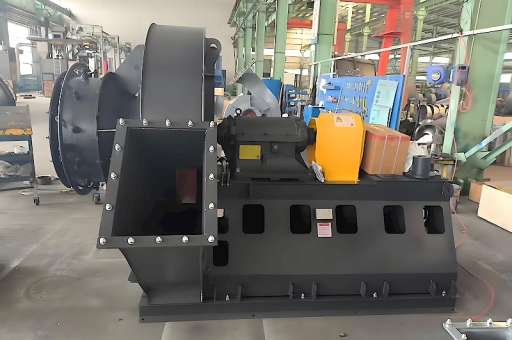
In cement manufacturing, controlling dust, heat, and exhaust gases is not just a matter of workplace safety—it directly impacts production efficiency and equipment lifespan. A 3 speed stainless steel large air flow air blower fan is specifically engineered to handle the harsh conditions of cement plants, where high temperatures, abrasive particles, and corrosive gases are common. Unlike standard industrial fans, these units are built to move massive volumes of air—often exceeding 50,000 CFM—while resisting rust and mechanical wear.
The "3 speed" feature allows operators to adjust airflow according to real-time process demands, reducing energy waste during low-load periods. For example, during calcination, maximum speed may be required for kiln combustion air, while clinker cooling might use medium speed. This flexibility can cut energy costs by up to 18% compared to fixed-speed fans, based on data from cement plant retrofit studies.
Key Features of a 3 Speed Stainless Steel Large Air Flow Blower Fan
-
Three-Speed Motor Control
- Low: 850 RPM (for standby or minimal ventilation)
- Medium: 1150 RPM (for normal production)
- High: 1750 RPM (for peak load or emergency exhaust)
Exact speeds vary by model, but this range covers typical cement plant needs.
-
Stainless Steel (Grade 304 or 316L)
- Withstands temperatures up to 200°C (392°F) continuous.
- Resists sulfuric and nitric acid fumes present in cement kiln exhaust.
- Non-sparking properties reduce fire risk in dust-laden environments.
-
Large Air Flow Capacity
- Common sizes: 24-inch to 60-inch impeller diameter.
- Air flow range: 15,000 – 75,000 CFM (cubic feet per minute).
- Pressure ratings: 2–6 inches w.g. (water gauge) for material transport.
-
Heavy-Duty Bearings and Vibration Dampers
- Prevents premature failure from continuous 24/7 operation.
- Lowers noise levels to below 85 dB(A) with proper insulation.
How the 3-Speed Mechanism Optimizes Industrial Ventilation
Cement plants do not have constant ventilation needs. A 3 speed fan solves this by matching airflow to three distinct operational phases:
- Low Speed (Night or Idle): Maintains negative pressure in silos to prevent dust escape. Uses only 30% full-load power.
- Medium Speed (Normal Production): Balances cooling air for clinker conveyors and reduces moisture in raw meal storage. Optimal for 60–70% capacity.
- High Speed (Kiln Start-up or Emergency): Rapidly extracts hot gases or clears dust after a blockage. Full power required for short bursts.
Example Calculation:
A cement plant with a 50,000 CFM fixed-speed fan running 8,760 hours/year at 50 kW consumes 438,000 kWh. By switching to a 3-speed fan operating 40% low, 45% medium, and 15% high, total consumption drops to 295,000 kWh—saving $11,400/year at $0.08/kWh.
Material Science: Why Stainless Steel is Critical for Cement Plant Fans
Cement plant environments are chemically aggressive. Carbon steel fans corrode within 6–12 months when exposed to:
- Sulfur dioxide (SO₂) from gypsum dehydration.
- Alkali fumes (K₂O, Na₂O) from raw materials.
- Concrete dust that abrades coatings over time.
Stainless steel (especially SS 316L with molybdenum) offers:
- Pitting resistance equivalent number (PREN) ≥ 25 for chloride-exposed areas.
- Oxidation resistance up to 870°C in intermittent service.
- Magnetic permeability < 1.05 to prevent sparking in coal grinding zones.
A 2023 study in Cement International found that stainless steel impellers lasted 4.7 times longer than painted steel in preheater tower fans.
Performance Data: Air Flow, Pressure, and Energy Efficiency
| Parameter | Specification Range (Typical 48-inch Fan) |
|---|---|
| Air Flow (CFM) | 28,000 – 65,000 |
| Static Pressure (in w.g.) | 5 – 5.0 |
| Motor Power (HP) | 20 – 50 (60 Hz) |
| Sound Level (dBA at 5m) | 78 – 85 |
| Efficiency (BEP) | 78 – 82% |
| Bearing Life (L10) | 40,000 – 60,000 hours |
Source: Typical performance curves from ESCO and fan.
Tip: To maximize efficiency, select a fan so the operating point falls within 70–90% of the Best Efficiency Point (BEP).
Installation Best Practices for Heavy-Duty Blower Fans
Improper installation can shorten fan life by 50%. Follow these steps:
- Foundation: Pour a reinforced concrete base with vibration isolation pads. Weight should be 3x the fan's total weight.
- Ductwork: Use flexible connectors at the inlet and outlet to prevent stress on the fan housing.
- Electrical: Wire each speed to a dedicated contactor. Install a thermal overload relay for each speed setting.
- Airflow Direction: Verify rotation (clockwise or counterclockwise) before full startup. Most cement plant fans rotate clockwise when viewed from the drive side.
- Testing: Run at low speed for 2 hours; check bearing temperature (max 90°C) and vibration (max 0.15 in/s).
Common Questions (Q&A) About Cement Plant Blower Fans
Q1: How often should I replace the bearings on a 3-speed stainless steel blower fan?
A: In continuous operation (24/7), regrease every 3 months and replace bearings every 18–24 months or when vibration exceeds 0.2 in/s. Stainless steel fans with sealed bearings can double this interval.
Q2: Can I use this fan for coal mill exhaust?
A: Yes, provided the fan is rated for explosive atmospheres (ATEX/Zone 21). The stainless steel construction prevents sparking, but you should add a spark-resistant housing with a carbon ring seal on the shaft.
Q3: Will a 3-speed fan work with a VFD (variable frequency drive)?
A: Not directly. The 3-speed fan uses a multi-tap motor designed for fixed speeds. To use a VFD, you need a single-speed motor with inverter-duty insulation. Some models offer dual compatibility—check with fan.
Q4: What is the typical lifespan of a stainless steel impeller in a cement plant?
A: With proper balancing and maintenance, 10–15 years. Regular cleaning of dust buildup on blades (every 6 months) extends life significantly.
Q5: Does the fan come with a temperature sensor?
A: High-end models include a K-type thermocouple embedded in the bearing housing. For standard variants, you can add a temperature probe via the fan's accessory port.
Conclusion: Choosing the Right Fan for Your Cement Facility
A 3 speed stainless steel large air flow air blower fan is not a luxury—it is a cost-effective necessity for modern cement plants. By investing in corrosion-resistant materials, multi-speed flexibility, and robust airflow capacity, you reduce downtime, lower energy bills, and improve workplace safety. When selecting a model, prioritize:
- Certified stainless steel grade (304 for general use, 316L for high-sulfur environments).
- Bearing accessibility for easy maintenance.
- Manufacturer support from reputable suppliers like fan (check their industrial catalog for custom pressure configurations).
Whether you are upgrading an existing ventilation system or building a new production line, this fan type delivers the reliability and efficiency needed to operate at peak capacity in one of the world's toughest industries.
For detailed technical drawings or a quote tailored to your plant’s ductwork layout, visit fan or consult a certified ventilation engineer.





