
It looks like you've listed three key components or terms often found in industrial air pollution control and ventilation systems. Here is a breakdown of what each term means and how they relate to each other, specifically in a High Performance context.
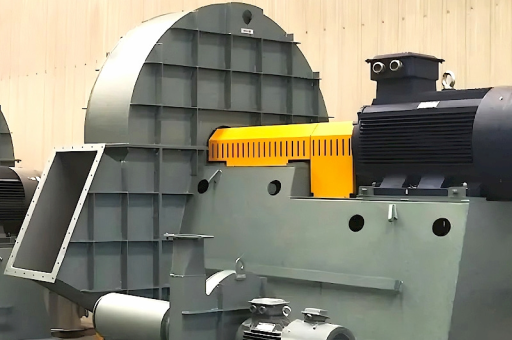
High Performance Dust Collector Fan
- Function: This is the "heart" of a dust collection system. It creates the negative pressure (vacuum) needed to pull dust-laden air from the process (e.g., grinding, woodworking, chemical processing) through ductwork and into the filter housing.
- Key Features (High Performance):
- High Static Pressure: Overcomes resistance from ductwork, filters, and silencers.
- High Airflow (CFM): Moves large volumes of air to capture fugitive dust.
- Efficiency: Often uses backward-inclined or airfoil impellers for lower energy consumption.
- Robust Construction: Designed to handle abrasive dust (e.g., with hardened steel liners or wear plates).
Dilution Fan
- Function: To mix fresh ambient air (or conditioned air) with hot, humid, or contaminated exhaust air. The goal is to lower the temperature, reduce humidity, or bring the gas concentration (e.g., explosive limits) down to a safe level before it reaches the main fan, scrubber, or stack.
- Where Used: Often deployed in Desulfurization systems to cool hot flue gas so it doesn't damage downstream equipment.
- Key Consideration: Sizing is critical. The fan must provide the correct ratio of dilution air to process gas to achieve the target conditions (e.g., cooling from 350°F to 180°F).
Desulfurization System
- Function: Removes sulfur dioxide (SO₂) from exhaust flue gases (primarily from coal-fired power plants, cement kilns, or industrial boilers) to meet environmental emission standards.
- Common Methods:
- Wet Scrubbing: Uses a limestone slurry to react with SO₂. (Most common).
- Dry or Semi-Dry Scrubbers: Use lime or sodium bicarbonate injection.
- Interaction with Fans:
- The Dilution Fan often cools the gas before it enters the scrubber.
- A High Performance Fan is used to pull the gas through the entire system (from boiler → scrubber → stack) or to push the treated gas out the stack (ID Fan - Induced Draft Fan).
How They Work Together (Sample System Flow)
- Process Source: Hot, SO₂-laden exhaust gas exits the boiler.
- Dilution Stage: A Dilution Fan pulls in cooler ambient air and mixes it with the hot gas to drop the temperature to a level safe for the scrubber (e.g., from 600°F down to 250°F).
- Desulfurization: The cooled gas enters the Desulfurization System (e.g., a wet scrubber). A limestone slurry sprays down, absorbing the SO₂.
- Dust Collection: The High Performance Dust Collector Fan (acting as an Induced Draft Fan) pulls the cleaned gas through a mist eliminator to remove water droplets/dust particles.
- Exhaust: The clean, cool, dry gas is discharged through a stack.
Important Consideration for Engineers:
- Corrosion: In a desulfurization system, sulfurous acid can form. Fans must be made of corrosion-resistant materials (e.g., 316L stainless steel, fiberglass, or with rubber lining).
- Abrasion: If the gas still contains fly ash or dust, the fan impeller must be designed to resist erosion.
- Energy: These systems are power-intensive. High-performance fans with VFDs (Variable Frequency Drives) are critical for optimizing energy costs.
If you have a specific problem or design challenge (e.g., "fan keeps failing due to vibration" or "how to calculate dilution air volume"), please provide more details so I can give a direct solution.





