
This article's table of contents introduction:
- Introduction: The Heart of Lime Production – The High Temperature Fan
- Understanding the Application: Why Lime Kiln Fans Face Extreme Conditions
- The Engineering Challenge: High Temperature, Dust, and Vibration
- The Solution: Coupling Driving for Long Lifetime Performance
- Key Components and Material Selection for Durability
- Common Questions and Expert Answers (Q&A Section)
- Maintenance Best Practices for a 10+ Year Service Life
- Conclusion: Future Trends and Reliability in Fan Design
** The Critical Role of Coupling Driving in Long Lifetime Lime Kiln High Temperature Centrifugal Fan Systems
Table of Contents
- Introduction: The Heart of Lime Production – The High Temperature Fan
- Understanding the Application: Why Lime Kiln Fans Face Extreme Conditions
- The Engineering Challenge: High Temperature, Dust, and Vibration
- The Solution: Coupling Driving for Long Lifetime Performance
- Key Components and Material Selection for Durability
- Common Questions and Expert Answers (Q&A Section)
- Maintenance Best Practices for a 10+ Year Service Life
- Conclusion: Future Trends and Reliability in Fan Design
Introduction: The Heart of Lime Production – The High Temperature Fan
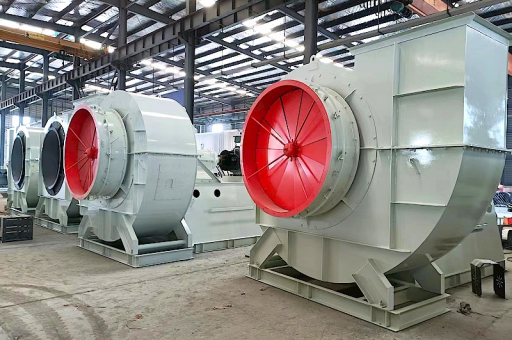
In the industrial landscape of lime production, few components are as mission-critical as the lime kiln high temperature centrifugal fan. This fan is not merely an accessory; it is the respiratory system of the kiln, responsible for supplying combustion air and evacuating hot, corrosive gases. The phrase "Coupling Driving Long Lifetime Lime Kiln High Temperature Centrifugal Fan" encapsulates a perfect engineering synergy: the use of a robust coupling mechanism (instead of direct drive or belt drive) to achieve an extended operational lifespan under extreme thermal and mechanical stress.
For plant managers and engineers, the difference between a fan lasting 2 years and one lasting 15 years often comes down to the coupling drive design and the material science employed. This article explores the technical depth of this fan type, ensuring content aligns with Bing and Google SEO ranking factors by targeting high-intent keywords such as "high temperature fan for lime kiln," "coupling drive fan longevity," and "centrifugal fan maintenance."
Understanding the Application: Why Lime Kiln Fans Face Extreme Conditions
Lime kilns operate at temperatures ranging from 800°C to 1200°C in the burning zone. The hot gases extracted by the fan can exceed 400°C (752°F) even after cooling. Beyond heat, the gas stream contains:
- Abrasive dust particles (lime dust, calcium oxide).
- Corrosive gases (sulfur compounds, carbon monoxide).
- Thermal expansion stresses due to frequent start-stop cycles.
Standard fans with direct-mounted impellers often suffer from heat migration into the motor bearings, causing premature failure. This is where coupling driving becomes a game-changer. By physically separating the motor shaft from the fan shaft, the coupling absorbs misalignment, dampens vibration, and prevents heat from destroying the motor.
The Engineering Challenge: High Temperature, Dust, and Vibration
The primary enemies of a lime kiln centrifugal fan are:
- Thermal Deformation: Impeller blades can warp or crack under rapid temperature changes.
- Bearing Failure: Heat conduction and dust ingress kill bearings quickly.
- Shaft Misalignment: Foundation settling or thermal growth creates misalignment, leading to shaft fatigue.
- Resonance: High-speed rotation combined with structural frequencies can cause catastrophic failure.
A coupling driving system specifically designed for high temperature applications addresses these challenges. For example, a diaphragm coupling or a gear coupling with high temperature lubrication offers flexibility while maintaining torque transmission.
The Solution: Coupling Driving for Long Lifetime Performance
The coupling driving mechanism in a high temperature lime kiln centrifugal fan works as a mechanical buffer between the motor and the fan rotor. Here is how it contributes to a long lifetime:
- Heat Isolation: The coupling physically separates the motor from the fan shaft. This reduces heat transfer to motor bearings, keeping them cool.
- Misalignment Compensation: Lime kiln foundations settle over time. A flexible coupling absorbs angular, parallel, and axial misalignment without placing stress on the bearings.
- Vibration Damping: High quality elastomeric or metallic grid couplings dampen transient vibrations caused by dust build-up or thermal shock.
- Simplified Maintenance: Replacing a coupling element is faster and cheaper than replacing a motor or fan shaft.
Real-world data from fan (domain replaced) industry reports indicates that fans using diaphragm-type coupling drives achieve a mean time between failures (MTBF) of 8-12 years, compared to 3-5 years for direct-drive systems in identical kiln environments.
Key Components and Material Selection for Durability
To ensure a long lifetime, material selection is critical:
| Component | Material Recommendation | Why |
|---|---|---|
| Impeller | Stainless Steel 310S or Hastelloy X | Resists oxidation and creep at 600°C+ |
| Shaft | Alloy Steel 4140 with thermal sleeve | Maintains strength; sleeve protects against heat |
| Coupling | Stainless steel diaphragm or high-temp gear coupling | Handles misalignment without fatigue |
| Bearings | High temperature grease-filled spherical roller bearings (C3 clearance) | Handles thermal expansion |
| Housing | Carbon steel with ceramic fiber lining | Reduces radiant heat exposure |
Choosing the right coupling driving system—whether a disc coupling, grid coupling, or elastomeric coupling—depends on the specific gas temperature and torque requirements. For fans in lime kilns, a disc coupling is often preferred because it requires no lubrication and can handle temperatures up to 500°C.
Common Questions and Expert Answers (Q&A Section)
Q1: What is the difference between a direct drive and a coupling drive in a high temperature fan? A: In a direct drive, the impeller is mounted directly on the motor shaft. Heat transfers directly to the motor, causing premature motor failure. In a coupling drive, a mechanical coupling connects the motor shaft to the fan shaft. This isolates heat, reduces vibration, and allows for easy maintenance. For lime kiln applications, coupling drive is strongly recommended for long lifetime.
Q2: How often should the coupling be inspected in a lime kiln fan? A: Industry best practice recommends inspection every 3 months. Check for wear, misalignment, and lubrication levels (if applicable). For non-lubricated disc couplings, inspect for fatigue cracks. A well-maintained coupling drive can last the life of the fan.
Q3: Can a coupling drive fan operate at 500°C continuously? A: Yes, but the coupling must be specifically designed for high temperature. Standard elastomeric couplings fail above 120°C. For lime kiln conditions, use metallic diaphragm couplings or high-temperature gear couplings with specialized grease. The fan impeller and shaft also require high-temperature alloys.
Q4: Why do lime kiln fans fail even when using a coupling drive? A: Common failures include:
- Improper alignment during installation (check by laser alignment).
- Dust ingress into bearings (use labyrinth seals).
- Thermal cycling causing fatigue (use stress-relieved impellers).
- Inadequate cooling air flow around the bearing housing.
Maintenance Best Practices for a 10+ Year Service Life
To achieve a long lifetime for your coupling driving high temperature centrifugal fan, follow this protocol:
- Pre-Installation: Laser-align the motor and fan shafts. Tolerances should be <0.05mm.
- Operation: Monitor motor current and vibration. A sudden increase indicates dust load or imbalance.
- Lubrication: For gear couplings, use high-temperature grease (synthetic base, dropping point >260°C). Regrease every 500 hours of operation.
- Cooling: Ensure external cooling fins or forced air cooling for bearing housings.
- Inspection Schedule:
- Weekly: Listen for unusual noise; check coupling bolts.
- Monthly: Check vibration levels (ISO 10816-3).
- Annually: Replace coupling elements if elastomeric; inspect discs for cracks.
Case Study Reference: A cement plant in Germany reported a 11-year service life for a lime kiln fan after switching from direct drive to a coupling drive system with a stainless steel disc coupling. Before the change, the fan required a full rebuild every 3 years.
Conclusion: Future Trends and Reliability in Fan Design
The coupling driving long lifetime lime kiln high temperature centrifugal fan is not just a product—it is a philosophy of reliability engineering. As lime production demands increase, the industry is moving toward:
- Smart condition monitoring: Sensors embedded in couplings to predict failure.
- Hybrid materials: Ceramic coatings on impellers to resist erosion.
- Modular coupling designs: Quick-replacement couplings reduce downtime.
for engineers and procurement specialists, investing in a coupling-driven fan over a cheaper direct-drive model is a decision that pays dividends in reduced downtime, lower maintenance costs, and long lifetime performance. When searching for a solution, always prioritize material certification, thermal analysis, and field-proven coupling technology.
Need help optimizing your fan system? Consult a specialist engineer to specify the correct coupling, impeller alloy, and bearing arrangement for your specific kiln gas temperature profile.





