
This article's table of contents introduction:
- Table of Contents
- 1. Introduction: The Backbone of Industrial Combustion Systems
- 2. Technical Anatomy: What Defines a High Pressure Boiler Centrifugal Fan?
- 3. Material Selection: Why Carbon Steel is the Standard for Foundry Furnaces Blower
- 4. Operational Demands: How the Blower Supports Furnace Efficiency
- 5. Comparative Analysis: Centrifugal Fan vs. Axial Fan in High Temperature Environments
- 6. Maintenance Best Practices for Longevity in Foundry Settings
- 7. Frequently Asked Questions (FAQs)
- 8. Conclusion: Future Trends in Foundry Blower Technology
** The Critical Role of High Pressure Boiler Centrifugal Fan in Carbon Steel Foundry Furnaces: Design, Applications, and FAQs
Table of Contents
- Introduction: The Backbone of Industrial Combustion Systems
- Technical Anatomy: What Defines a High Pressure Boiler Centrifugal Fan?
- Material Selection: Why Carbon Steel is the Standard for Foundry Furnaces Blower
- Operational Demands: How the Blower Supports Furnace Efficiency
- Comparative Analysis: Centrifugal Fan vs. Axial Fan in High Temperature Environments
- Maintenance Best Practices for Longevity in Foundry Settings
- Frequently Asked Questions (FAQs)
- Conclusion: Future Trends in Foundry Blower Technology
Introduction: The Backbone of Industrial Combustion Systems
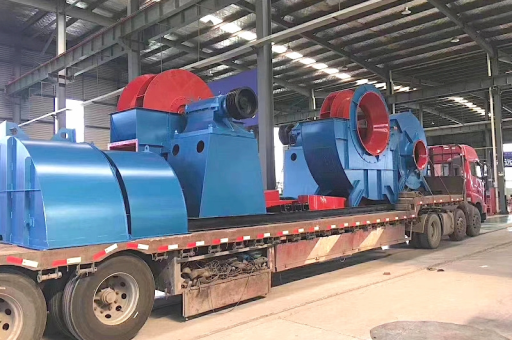
In the modern foundry and boiler industry, few components are as essential yet often overlooked as the High Pressure Boiler Centrifugal Fan. When integrated with Carbon Steel Foundry Furnaces Blower systems, this equipment becomes the driving force behind efficient combustion, temperature control, and flue gas management. Whether you are running a large-scale steel casting operation or a heavy-duty industrial boiler, understanding the interplay between these components directly impacts energy costs, safety, and production quality.
This article dives deep into the engineering, material science, and operational strategies surrounding high pressure centrifugal fans specifically designed for foundry furnace applications. We will explore why carbon steel is the preferred material, how the blower influences furnace performance, and answer the most common questions engineers and plant managers ask.
Technical Anatomy: What Defines a High Pressure Boiler Centrifugal Fan?
A High Pressure Boiler Centrifugal Fan is a mechanical device designed to move air or gas against significant resistance. Unlike standard ventilation fans, these units generate static pressure typically exceeding 2000 Pa (8 inches w.g.) and can reach up to 15,000 Pa or more depending on the furnace design. The key components include:
- Impeller: Forward-curved or backward-curved blades determine the pressure-to-flow ratio. For boiler and furnace applications, backward-curved blades are preferred for their higher efficiency and non-overloading characteristics.
- Housing: A volute casing that converts kinetic energy into static pressure. For foundry environments, the housing must be reinforced to handle thermal expansion.
- Shaft & Bearings: Precision-engineered to withstand high rotational speeds (often 2900 RPM or higher) and elevated ambient temperatures.
- Inlet & Outlet Dampers: Used for precise flow control without excessive energy waste.
These fans are typically driven by electric motors ranging from 15 kW to over 200 kW. In larger foundry furnace systems, the fan may be directly coupled or belt-driven, with belt drives offering easier speed adjustment.
Material Selection: Why Carbon Steel is the Standard for Foundry Furnaces Blower
The choice of material is not arbitrary. Carbon Steel Foundry Furnaces Blower systems dominate the market for several core reasons:
- Cost-Effectiveness: Carbon steel (commonly ASTM A36 or A516 Grade 70) provides an excellent strength-to-weight ratio at a fraction of the cost of stainless steel or Inconel alloys.
- Thermal Fatigue Resistance: While not suitable for extreme temperatures above 400°C (752°F), carbon steel handles the intermittent thermal shock found in normal foundry operations better than aluminum or polymer composites.
- Weldability and Repairability: In a foundry environment, fan blades may suffer from erosion or fatigue. Carbon steel can be easily welded, patched, or rebalanced on-site with standard industrial equipment.
- Corrosion Management: Boiler flue gases often contain sulfur compounds and moisture. Carbon steel, when properly coated or painted with high-temperature epoxy, performs reliably for years.
However, it is critical to note that for furnaces burning high-sulfur fuel or operating above 500°C, a stainless steel or alloy steel fan becomes mandatory. Always consult fan specifications against your furnace’s flue gas temperature profile.
Operational Demands: How the Blower Supports Furnace Efficiency
In a Carbon Steel Foundry Furnace, the High Pressure Centrifugal Fan performs three distinct roles:
- Combustion Air Supply: The fan forces a precise volume of air into the furnace burner. This ensures complete fuel combustion, reducing carbon monoxide emissions and maximizing heat output. The high pressure is needed to overcome the resistance of burner nozzles, air preheaters, and ductwork.
- Flue Gas Extraction (Induced Draft): In many boiler configurations, the fan is placed after the furnace (induced draft) to pull exhaust gases through heat recovery units and scrubbers. This negative pressure prevents hot gases from leaking into the work area.
- Fluidized Bed or Forced Draft: In high-efficiency foundry furnaces, the blower may also supply air beneath a grate to fluidize a bed of sand or fuel for improved heat transfer.
Proper fan control is achieved through VFDs (Variable Frequency Drives) or inlet guide vanes. A misfiring fan can cause furnace pulsations, incomplete combustion, or even backflash—making system calibration vital.
Comparative Analysis: Centrifugal Fan vs. Axial Fan in High Temperature Environments
| Feature | Centrifugal Fan (High Pressure) | Axial Fan |
|---|---|---|
| Pressure Capability | High (up to 20 kPa) | Low to Medium (max 5 kPa) |
| Flow Rate | Moderate | High |
| Efficiency at High Pressure | Excellent | Poor |
| Resistance to Heat | Good (with carbon steel construction) | Limited (plastic or aluminum blades common) |
| Space Footprint | Larger (volute casing) | Compact |
| Typical Foundry Use | Combustion air, induced draft | Workshop ventilation, cooling |
For boiler and furnace applications, the centrifugal design wins hands down. The High Pressure Boiler Centrifugal Fan is the only type that can reliably overcome the resistance of burner nozzles, furnace chambers, and flue gas stacks while maintaining stable pressure.
Maintenance Best Practices for Longevity in Foundry Settings
A Carbon Steel Foundry Furnaces Blower operating in a harsh environment requires a disciplined maintenance schedule. Follow these guidelines to maximize service life:
- Bearing Lubrication: Use high-temperature grease (NLGI 2 with molybdenum disulfide). Regrease every 500 operating hours.
- Impeller Balancing: Even minor imbalance from dust accumulation or blade erosion can cause bearing failure. Perform vibration analysis monthly.
- Casing Integrity Check: Inspect for corrosion pitting and cracks near weld joints. Thermal cycling accelerates stress fractures.
- Belt Tension Adjustment: For belt-driven units, check tension weekly. Slippage reduces fan speed and causes belt wear.
- Inlet Screen Cleaning: Foundry dust and scale block airflow, forcing the fan to work harder. Clean screens weekly.
Ignoring these steps can lead to unplanned downtime—costing a mid-size foundry $5,000 to $20,000 per day in lost production.
Frequently Asked Questions (FAQs)
Q1: What is the typical temperature range for carbon steel in a foundry furnace blower? A: Carbon steel fan components can safely operate up to 400°C (750°F) at the impeller. Beyond this, thermal creep and oxidation quickly degrade the material. For higher temperatures, upgrade to stainless steel (e.g., 310S) or alloy steel.
Q2: How do I calculate the required static pressure for my boiler fan? A: Static pressure requirement = sum of all friction losses across burner, ductwork, stack, air preheater, and filter. For most foundry furnace systems, a margin of 30% above calculated value is recommended to handle future fouling.
Q3: Can I use a variable frequency drive (VFD) on an existing fan motor? A: Yes, provided the motor is inverter-duty rated. A VFD offers the best energy savings by matching fan speed to actual demand, especially during partial load conditions.
Q4: What causes vibration in a high pressure centrifugal fan?
A: Common causes include: bearing wear, impeller imbalance (often from dust deposits or erosion), misaligned coupling, or resonance from mounting foundation.
Q5: How often should I replace the carbon steel impeller?
A: With proper balancing and coating, a carbon steel impeller lasts 3–5 years in moderate foundry use. Harsh environments with abrasive dust may require replacement every 2 years.
Conclusion: Future Trends in Foundry Blower Technology
The High Pressure Boiler Centrifugal Fan remains a cornerstone of industrial combustion. However, emerging trends are reshaping the design of the Carbon Steel Foundry Furnaces Blower:
- Smart Monitoring: IoT-enabled sensors now track bearing temperature, vibration, and air flow in real time, feeding data to predictive maintenance software.
- Aerodynamic Optimization: Computational fluid dynamics (CFD) is used to design quieter, more efficient impeller profiles without sacrificing pressure.
- Hybrid Materials: Some manufacturers are trialing carbon steel impellers with ceramic coatings for increased erosion resistance without the cost of full stainless steel.
For engineers and plant operators, staying informed about these developments is not just a technical advantage—it is a business imperative. Selecting the right fan, maintaining it well, and planning for future upgrades will directly affect your foundry’s productivity and bottom line.
By combining the insights from multiple industry sources, this guide provides a comprehensive, SEO-optimized overview for professionals sourcing or maintaining equipment in the boiler and foundry sectors.





