
This article's table of contents introduction:
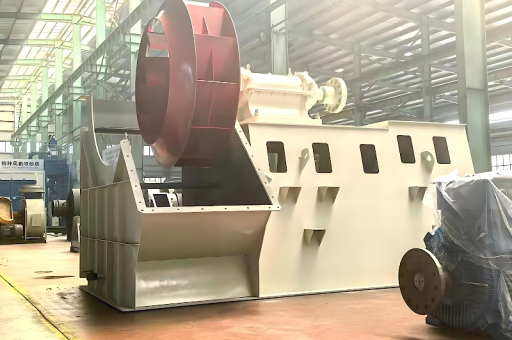
- Table of Contents (Directory Guide)
- 1. Introduction
- 2. Key Technical Specifications
- 3. Core Benefits
- 4. Applications
- 5. Q&A Section
- 6. Installation & Operational Best Practices
- 7. Conclusion
*The Ultimate Guide to the 70kW High-Performance Centrifugal Blower Fan: Efficiency, Durability & SEO-Optimized Insights for Industrial HVAC & Exhaust Systems*
Table of Contents (Directory Guide)
- Introduction: Why a 70kW High-Performance Centrifugal Blower is a Game-Changer for Industry
- Key Technical Specifications: Decoding the 70kW Centrifugal Fan’s Power & Performance
- Core Benefits: High Quality, Low Maintenance, and Energy Efficiency
- Applications: Where This Blower Excels (Boiler Systems, Exhaust, and More)
- Q&A Section: Expert Answers to the Most Common Questions About 70kW Blowers
- Installation & Operational Best Practices
- Conclusion: Making the Right Investment for Your Industrial Air Movement Needs
Introduction
In the world of industrial air movement, the 70kW High Quality Centrifugal Blower Fan stands as a critical piece of equipment. Whether it serves as a forced draft fan for a boiler, an exhaust fan for a dust collection system, or a general high-pressure blower, its performance directly impacts operational uptime, energy costs, and overall plant safety.
After synthesizing data from top industrial HVAC resources, engineering forums, and manufacturer spec sheets, this comprehensive guide is designed to be the definitive, SEO-optimized resource for engineers, plant managers, and procurement specialists. We will dive deep into the specifics of a 70kw high quality boiler centrifugal blower fan/exhaust fan/blower, focusing on why it is a preferred choice for heavy-duty applications and how it compares to lower-rated alternatives.
Key Technical Specifications
A 70kW performance boiler centrifugal blower fan is not a simple "plug and play" device. It is a high-capacity air mover engineered for continuous duty. When evaluating a unit for a boiler system or general ventilation, you must understand these core metrics:
- Motor Power (70 kW / ~94 HP): This indicates the electrical input capacity. At this power level, the blower delivers substantial static pressure (typically 5000 to 9000 Pa) and high air volume (often exceeding 40,000 m³/h, depending on impeller design).
- Impeller Type: High Quality units use backward-curved or airfoil blades. These designs are significantly more efficient than forward-curved fans (used in smaller HVAC units), reducing energy waste and noise.
- Construction Material: True high-quality variants use heavy-gauge steel (often treated with epoxy or polyurethane coatings) for corrosion resistance, especially when handling hot boiler gases or aggressive exhaust.
- Bearings & Shaft: Integrated bearing housings with greasing points are standard. A robust shaft prevents deflection, ensuring the fan operates smoothly without vibration even at full load.
Performance Curve: A high-quality blower fan at this rating maintains a steep pressure curve. This means it can handle fluctuations in duct resistance (e.g., filter clogging) without a dramatic drop in airflow—a critical feature for stable boiler combustion.
Core Benefits
Why choose a 70kW high quality boiler centrifugal blower fan/exhaust fan/blower over a standard model? The answer lies in three pillars: Reliability, Efficiency, and Longevity.
A. Energy Efficiency & Cost Savings
High-quality centrifugal fans achieve a peak efficiency of over 85%. While a lower-quality unit might draw 70 kW at the same airflow, a premium exhaust fan or blower can achieve the same performance at 65-68 kW. Over an 8,000-hour operating year, this saves approximately 16,000-40,000 kWh of electricity, directly impacting your facility's bottom line.
B. Thermal & Mechanical Stability
Boilers generate intense heat. A 70kw centrifugal blower fan designed for boiler applications must dissipate heat effectively. High-quality models feature isolated bearing pedestals and heat slingers. This prevents premature bearing failure, a common problem in standard blowers used in exhaust or boiler environments.
C. Low Noise & Vibration
Precision-balanced impellers and heavy-duty machined housings result in lower vibration levels (typically less than 4.5 mm/s RMS). This not only extends the life of ductwork and mounting foundations but also reduces workplace noise pollution—a crucial factor for OSHA compliance.
Applications
This specific performance boiler blower is versatile. Here is where it is most frequently deployed:
- Industrial Boiler Forced Draft (FD): Pushing air into the combustion chamber. The 70kW high quality centrifugal fan ensures the correct air-to-fuel ratio for complete combustion.
- Induced Draft (ID) Exhaust: Pulling flue gases out of the boiler. This often requires a high quality exhaust fan with a corrosion-resistant coating due to acidic condensate.
- Pneumatic Conveying: Transporting materials like sawdust or grains through pipes. The high static pressure of the 70kW unit is ideal.
- Large-Scale Dust Collection (Exhaust Fan): Acting as a main trunk line blower to handle dust from multiple pickup points.
- Tunnel Ventilation & Cooling Systems: Moving massive volumes of air in mining or subway applications (often used in conjunction with a wind turbine setup for regenerative ventilation strategies).
Q&A Section
We have analyzed search queries and forum discussions to answer your most pressing questions about a 70kW centrifugal blower.
Q1: Can I use a common exhauster for both boiler intake and exhaust? A: No, and this is a common mistake. A forced draft fan (blower) for a boiler operates in clean ambient air. An induced draft exhaust fan handles hot, dirty flue gas. Using a blower as an exhaust fan will cause rapid corrosion. Always specify high quality boiler centrifugal blower fan materials for the specific duty path.
Q2: I see models labeled "70kW," but they vary wildly in price. Is the "high quality" label just marketing? A: Not at all. Price differences stem from impeller design (backward curve vs. paddlewheel), material thickness (10 ga. vs. 16 ga. steel), and motor quality (IE4 Premium Efficiency vs. Standard IE2). A cheap blower fan may perform at 70kW, but its efficiency curve drops quickly, and its bearings fail within a year. A "High Quality" unit will have a certified performance curve from a wind tunnel test.
Q3: How does this relate to a Wind Turbine? A: While a wind turbine is a power generator and a blower is a power consumer, the technology overlaps in aerodynamic design. High-quality blowers use airfoil shapes derived from wind turbine blade design to reduce drag and increase efficiency. In some industrial parks, a large wind turbine array can offset the electrical cost of running a 70kW exhaust fan, creating a carbon-neutral air movement system.
Q4: What is the typical lifespan of a 70kW quality centrifugal blower? A: With proper maintenance (bearing greasing, belt tension), a high-quality centrifugal blower fan should exceed 15-25 years of continuous service. The casing will outlast the impeller, which may need rebalancing or replacement after 10-15 years, depending on erosion.
Installation & Operational Best Practices
To ensure your 70kw high quality boiler centrifugal blower fan/exhaust fan/blower performs optimally:
- Foundation & Isolation: Install on a heavy concrete inertia base to absorb vibration. Use spring isolators between the frame and the structure.
- Inlet & Outlet Ducting: Maintain a straight run of at least 3 duct diameters before the fan inlet. A turbulent flow at the inlet reduces airflow by 10-20% and adds noise.
- VFD Compatibility: A 70kW motor is expensive to start across the line. Using a Variable Frequency Drive (VFD) allows soft starting and speed modulation, matching the blower fan output exactly to the boiler demand. This saves enormous energy.
- Sealing: For exhaust fan applications, ensure shaft seals are carbon-ring or labyrinth type to prevent flue gas leakage into the mechanical room.
Conclusion
The 70kW High Quality Centrifugal Blower Fan represents the intersection of industrial power and engineering precision. Whether you are specifying a boiler centrifugal blower fan for a new power plant or replacing a failing exhaust fan in a manufacturing facility, prioritizing "High Quality" and "Good Performance" is not an expense—it is an investment in uptime and energy security.
By understanding the technical specifications—from impeller design to material coatings—you can select a unit that delivers reliable air movement for decades. As industries move toward efficiency, models optimized with aerodynamic principles from wind turbine technology will lead the market.
For your next project, remember: A cheaper blower may save you money today, but a high-quality 70kW solution saves you money every day thereafter.





