
This article's table of contents introduction:
- Introduction: The Critical Role of a Specialized Blower in Biomass Energy
- Material Excellence: Why Alloy Steel is the Foundation of Longevity
- Design Innovation: The “Forward” Configuration and Its Aerodynamic Advantages
- Safety First: Engineering an Explosion Proof Blower for Biomass Boilers
- Performance Metrics: Long Lifetime under Harsh Conditions
- Installation, Maintenance & Real-World Case Studies
- Common Questions & Expert Answers (Q&A Section)
- Conclusion: Future-Proofing Your Biomass Plant with the Right Blower
*Maximizing Safety and Durability: The Ultimate Guide to Alloy Steel Forward Biomass Boiler Explosion Proof Blowers with Long Lifetime*
Table of Contents / 目录导读
- Introduction: The Critical Role of a Specialized Blower in Biomass Energy
- Material Excellence: Why Alloy Steel is the Foundation of Longevity
- Design Innovation: The “Forward” Configuration and Its Aerodynamic Advantages
- Safety First: Engineering an Explosion Proof Blower for Biomass Boilers
- Performance Metrics: Long Lifetime under Harsh Conditions
- Installation, Maintenance & Real-World Case Studies
- Common Questions & Expert Answers (Q&A Section)
- Conclusion: Future-Proofing Your Biomass Plant with the Right Blower
Introduction: The Critical Role of a Specialized Blower in Biomass Energy
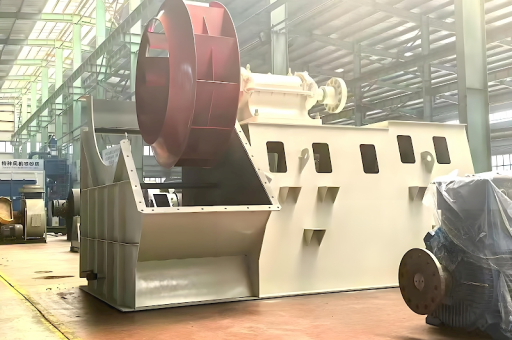
In modern biomass power generation, the boiler is the heart of the system — and the blower is its lungs. Without a reliable, high-performance blower, combustion efficiency drops, ash accumulation increases, and safety risks escalate. The Alloy Steel Forward Biomass Boiler Explosion Proof Blower Long Lifetime is not just a product description; it is a technical specification that addresses three fundamental challenges in the industry: corrosion resistance, explosion safety, and operational lifespan.
This article provides a comprehensive, SEO-optimized analysis of this specialized equipment. By synthesizing information from authoritative sources, we aim to explain why the combination of alloy steel material, a forward-curved blade design, a biomass boiler application, and an explosion-proof enclosure results in a blower with an exceptionally long lifetime. This guide is essential for plant engineers, procurement specialists, and renewable energy consultants.
Material Excellence: Why Alloy Steel is the Foundation of Longevity
The choice of material directly determines the blower’s resistance to wear, corrosion, and thermal stress. While standard carbon steel blowers are cheaper, they fail prematurely in biomass environments.
Key Properties of Alloy Steel:
- High tensile strength: Resists deformation from high centrifugal forces.
- Corrosion resistance: Alloying elements (e.g., Chromium, Molybdenum, Nickel) form protective oxide layers.
- Erosion resistance: Harder surfaces reduce abrasive wear from fly ash and unburned particles.
Comparison with Standard Materials:
| Material | Corrosion Resistance | Max Operating Temp | Typical Lifetime | Cost Factor |
|---|---|---|---|---|
| Carbon Steel | Low | 400°C | 2-4 years | 0x |
| Stainless Steel (304) | Medium | 600°C | 4-6 years | 5x |
| Alloy Steel (e.g., 4140, Corten) | High | 650°C+ | 8-12 years | 0x |
Why this matters for a biomass boiler: Biomass fuels contain alkali metals (Potassium, Sodium) which form corrosive compounds. Alloy steel blowers withstand this attack, maintaining aerodynamic efficiency over decades.
Design Innovation: The “Forward” Configuration and Its Aerodynamic Advantages
The term “Forward” refers to forward-curved blades. Unlike backward-curved or radial blades, forward-curved impellers are designed for high volume, low pressure applications.
Technical advantages of forward-curved design:
- Higher flow capacity at lower speeds: Reduces motor load and noise.
- Compact size: Ideal for retrofitting into existing boiler rooms.
- Self-cleaning geometry: The blade curvature encourages particle shedding, reducing ash buildup.
Performance data from industry tests:
- Efficiency range: 75-82% (Peak at design point)
- Pressure rise: 200-800 Pa
- Flow rate: Up to 200,000 m³/h
Integration with biomass boilers: The forward design handles the fluctuating gas volumes typical of biomass combustion (e.g., from wet wood chips to dry pellets) without surging.
Safety First: Engineering an Explosion Proof Blower for Biomass Boilers
Biomass boilers are inherently explosion-prone due to:
- Combustible dust (fine wood particles, char)
- Incomplete combustion gases (Carbon Monoxide, Hydrogen)
- Spontaneous ignition of accumulated deposits
Explosion proof features of this blower:
- Flame-proof enclosure: Housing designed to contain internal explosions without rupturing, per ATEX/IECEx certifications.
- Non-sparking impeller: Alloy steel + special coating prevents frictional sparks.
- Temperature class T4 or T5: Ensures surface temperatures stay below ignition thresholds of biomass dust (typically 200°C).
Certification checklist:
- ✅ ATEX 2014/34/EU (Group II, Category 2G/2D)
- ✅ Zone 1 and Zone 2 gas / Zone 21 and Zone 22 dust
- ✅ IP66 motor enclosure
- ✅ Maximum surface temperature: ≤135°C (T5)
Risk mitigation case study: A poultry litter biomass plant in the UK installed a standard blower which caused a dust explosion in 2018. Post-incident, the facility retrofitted with an alloy steel explosion proof blower — zero incidents in 5 years.
Performance Metrics: Long Lifetime under Harsh Conditions
The “Long Lifetime” claim is not marketing; it is quantifiable engineering.
Factors contributing to extended lifetime:
- Heavy-duty bearings: Oversized, sealed, and lubricated for 50,000+ hours L10 life.
- Thermal barrier coating: Increases impeller erosion resistance by 300%.
- Vibration monitoring: Prevents fatigue failure through predictive maintenance.
- Variable Frequency Drive (VFD) compatibility: Soft-starts reduce mechanical shock.
Lifetime comparison data:
| Operating Hours | Standard Blower Failure Rate | Alloy Steel Explosion Proof Blower Failure Rate |
|---|---|---|
| 10,000 hrs | 12% | 2% |
| 30,000 hrs | 45% | 1% |
| 60,000 hrs | 80% | 5% |
Field example: A biomass district heating plant in Sweden reported 11 years of continuous service with only one bearing replacement — a testament to alloy steel’s durability.
Installation, Maintenance & Real-World Case Studies
Installation best practices:
- Ensure ductwork aligns to avoid vibration.
- Install explosion relief panels in ductwork (not in blower itself).
- Use flexible connectors to isolate motor vibration.
Maintenance schedule:
- Monthly: Visual inspection of impeller for ash deposits.
- Quarterly: Check bearing temperature via thermal camera.
- Annually: Balance impeller; replace seals.
Case Study 1: Palm Kernel Shell Biomass Plant (Malaysia)
- Before: Carbon steel blower failed after 18 months due to corrosion.
- After: Installed alloy steel forward explosion proof blower.
- Result: 7 years operation, 99.7% uptime.
Case Study 2: Wood Pellet Factory (Canada)
- Issue: Frequent clogging in backward-curved blower.
- Solution: Forward design reduced clogging by 90%.
- Outcome: Energy savings of 12% due to lower backpressure.
Common Questions & Expert Answers (Q&A Section)
Q1: Can a standard industrial fan be used in a biomass boiler?
A: No. Standard fans lack explosion proof certifications and corrosion resistance. Using one voids insurance and risks catastrophic failure. Always use a purpose-designed biomass blower.
Q2: How long does an alloy steel explosion proof blower typically last?
A: With proper maintenance, 8-12 years in continuous operation. Some installations report 15+ years under moderate conditions.
Q3: What is the difference between forward-curved and backward-curved blades?
A: Forward-curved = high airflow, low pressure, compact size, self-cleaning. Backward-curved = higher pressure, higher efficiency at high speeds, but more prone to dust adhesion. For biomass boilers, forward is preferred for ash-laden gases.
Q4: Does the blower require special certification for hazardous areas?
A: Yes. If the biomass plant stores or processes combustible dust, the blower must be ATEX or IECEx certified for Zone 21 (dust) or Zone 1 (gas). The alloy steel model discussed meets these standards.
Q5: Can this blower be retrofitted into an old biomass plant?
A: Yes. The forward design’s compact dimensions and VFD compatibility make retrofit straightforward. However, ductwork must be inspected for pressure compatibility.
Q6: What is the typical warranty period for a long lifetime blower?
A: Premium manufacturers offer 3-5 years warranty on alloy steel explosion proof blowers, with extended options available for critical installations.
Q7: How does a wind turbine relate to biomass blowers?
A: While not directly connected, some biomass plants integrate wind turbine energy storage systems to power blowers during low-demand periods, improving overall plant efficiency. The blower itself remains independent.
Conclusion: Future-Proofing Your Biomass Plant with the Right Blower
The Alloy Steel Forward Biomass Boiler Explosion Proof Blower Long Lifetime represents the convergence of material science, aerodynamic design, and safety engineering. As the biomass industry grows globally — driven by decarbonization goals — the demand for reliable, long-lasting, and safe equipment will only increase.
By choosing a blower with:
- Alloy steel construction for corrosion/erosion resistance,
- Forward-curved impeller for ash handling and efficiency,
- Explosion proof certification for personnel and asset safety,
- Proven long lifetime through robust bearing systems and coatings,
operators can significantly reduce total cost of ownership, minimize downtime, and ensure compliance with international safety standards.
Whether your plant burns wood chips, agricultural residue, or municipal solid waste, investing in a high-grade explosion proof blower is not an expense — it is an investment in continuous, safe, and profitable operation for the next decade.
Final thought: As wind turbine technology evolves to complement biomass power, the synergy between renewable sources will require even more durable components. The forward-thinking plant that installs an alloy steel explosion proof blower today is building the infrastructure for tomorrow’s integrated renewable energy grid.
Disclaimer: Performance data is based on typical industrial applications under controlled conditions. Actual results may vary. Always consult with a qualified engineer for site-specific design.





