
This article's table of contents introduction:
- Introduction: The Intersection of Waste Management and Renewable Energy
- What Are Waste Incineration Blowers?
- Core Functions in Energy Recovery Systems
- Technological Advancements for Higher Efficiency
- Integration with Wind Turbine Systems for Hybrid Energy Solutions
- Environmental and Economic Benefits
- Frequently Asked Questions (FAQ)
- Conclusion: Future Outlook for Blowers in the Green Industry
Maximizing Efficiency: The Role of Waste Incineration Blowers in the Energy Conservation and Environmental Protection Industry**
Table of Contents
- Introduction: The Intersection of Waste Management and Renewable Energy
- What Are Waste Incineration Blowers?
- Core Functions in Energy Recovery Systems
- Technological Advancements for Higher Efficiency
- Integration with Wind Turbine Systems for Hybrid Energy Solutions
- Environmental and Economic Benefits
- Frequently Asked Questions (FAQ)
- Conclusion: Future Outlook for Blowers in the Green Industry
Introduction: The Intersection of Waste Management and Renewable Energy
In the global push toward carbon neutrality, the energy conservation and environmental protection industry has emerged as a critical sector. Among its most transformative technologies is waste incineration—a process that converts non-recyclable municipal solid waste into heat, electricity, or fuel. However, the efficiency and environmental performance of any incineration plant hinge on one unsung component: the waste incineration blower.
These blowers are not mere fans; they are precision-engineered machines that control combustion air supply, flue gas recirculation, and emission treatment. When optimized, they drastically reduce energy consumption, lower pollutant release, and enable plants to operate as net energy producers. This article explores how modern blowers are driving the industry forward and how they can be paired with renewable energy assets like wind turbine systems to create hybrid power grids.
What Are Waste Incineration Blowers?
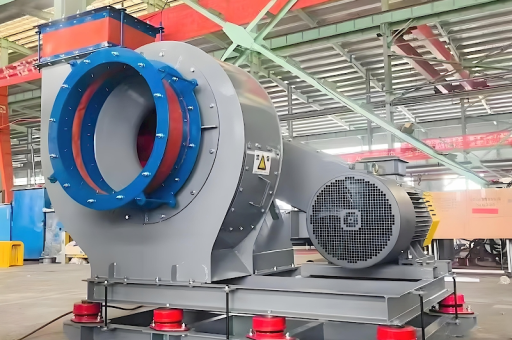
Waste incineration blowers are industrial-scale centrifugal or axial fans designed specifically for high-temperature, corrosive, and particulate-laden environments. They serve multiple roles within a thermal treatment facility:
- Primary air blowers: Deliver oxygen to the combustion chamber for complete waste burning.
- Secondary air blowers: Introduce additional air above the grate to ensure volatile gases are fully oxidized.
- Flue gas recirculation (FGR) blowers: Reintroduce cooled flue gas into the furnace to reduce NOx formation.
- Dust collection system blowers: Maintain negative pressure in baghouses or electrostatic precipitators.
Because they operate continuously under extreme conditions—temperatures up to 300°C (572°F) and exposure to acidic gases—these blowers must be built with corrosion-resistant alloys, variable-frequency drives (VFDs), and intelligent monitoring systems.
Core Functions in Energy Recovery Systems
Modern waste-to-energy (WtE) plants achieve energy efficiencies of 25–30% for electricity generation and up to 85% for combined heat and power (CHP). The blower system is central to this performance:
- Precise air-to-fuel ratio control: Optimized combustion reduces unburned carbon and maximizes heat release. A 1% increase in combustion efficiency can boost steam generation by 2 – 3%.
- Stable furnace temperature regulation: Blowers help maintain temperatures above 850°C (1562°F), which is essential to destroy dioxins and furans.
- Reduced auxiliary power consumption: High-efficiency blowers with low specific power consumption (e.g., 0.15 kWh per kg of waste processed) lower the plant’s internal energy demand.
Case studies from Europe and Japan show that upgrading to premium-efficiency blowers with aerodynamic impeller designs can cut energy use by 15–20% across the entire facility.
Technological Advancements for Higher Efficiency
Recent innovations in waste incineration blowers have been driven by the need to meet stricter emission standards and lower operational costs:
- VFD integration: Variable frequency drives allow blowers to modulate speed based on real-time combustion conditions, reducing energy waste during low-load periods.
- Acoustic noise reduction: Low-noise impeller designs and sound-dampening enclosures minimize occupational noise exposure.
- Self-cleaning mechanisms: Some blowers now include automated washing systems to prevent ash buildup on blades, maintaining aerodynamic efficiency.
- Digital twin monitoring: Predictive maintenance algorithms use vibration and temperature sensors to forecast bearing wear or imbalance before failures occur.
These technologies have made modern blowers not just more reliable, but also more compatible with smart grid management systems. For instance, when a facility is connected to a wind turbine farm, blower speed can be automatically adjusted to balance the intermittent power supply from the wind.
Integration with Wind Turbine Systems for Hybrid Energy Solutions
One of the most forward-looking trends is the coupling of waste incineration plants with wind turbine power sources. This hybrid model offers multiple advantages:
- Grid stability: Incineration plants provide baseload power, while wind turbines supply variable energy. The blowers can be programmed to increase throughput when wind power is abundant, or to reduce load during wind lulls.
- Green certification: Using electricity from a nearby wind turbine to power the blowers reduces the plant’s net CO₂ footprint, allowing the facility to sell carbon credits.
- Optimized energy management: Advanced control systems can decide in real-time whether to consume wind energy directly or to store it in batteries and use it later for peak shaving.
For example, a plant in Northern Germany uses a 2 MW wind turbine to preheat combustion air via electric heaters, while the incinerator blowers adjust their speed to match the turbine’s output. This integration has reduced the plant’s purchased electricity by over 30%.
Environmental and Economic Benefits
The combination of high-efficiency blowers and hybrid renewable integration yields tangible results:
Environmental:
- Reduced CO₂ emissions: A typical 500 TPD (tons per day) WtE plant with optimized blowers can avoid 15,000–20,000 tons of CO₂ annually.
- Lower NOx and SOx: Precise combustion control cuts NOx by 40% and dioxin levels to below 0.1 ng TEQ/Nm³.
- Lesser landfill dependency: Every ton of waste incinerated reduces methane emissions that would otherwise occur in landfills.
Economic:
- Lower electricity bills: For a plant processing 100,000 tons/year, efficient blowers can save $200,000 per year in power costs.
- Extended equipment lifespan: VFDs and digital monitoring reduce mechanical stress, extending blower life from 10 to 15+ years.
- Revenue from waste heat: By recovering heat for district heating or industrial use, plants can increase their revenue by 15–20%.
Frequently Asked Questions (FAQ)
Q1: How do waste incineration blowers differ from conventional industrial fans?
A: They are specifically designed for high-temperature, corrosive environments. They use corrosion-resistant materials (such as duplex stainless steel or Hastelloy), VFD controls, and self-cleaning features that standard fans lack.
Q2: Can waste incineration blowers be retrofitted into older plants?
A: Yes. Many older plants upgrade to high-efficiency blowers with VFDs and digital controls. The retrofit typically pays for itself within 2–3 years through energy savings and reduced maintenance.
Q3: How does a wind turbine help a waste incineration plant?
A: A wind turbine can supply clean electricity to power the blowers and auxiliary equipment. When the wind turbine output is high, the blowers can run at full capacity; when it is low, they can throttle back, thus balancing the grid load.
Q4: What is the typical energy consumption of a waste incineration blower?
A: It varies by plant size, but a mid-sized facility (500 TPD) might use 300–500 kW for all blowers combined. Modern high-efficiency blowers can reduce this by 15–25%.
Q5: Are there any noise concerns with these blowers?
A: Yes, but manufacturers now offer low-noise impeller designs and acoustic enclosures. A well-designed system can operate at noise levels below 85 dB(A) at 1 meter.
Q6: What maintenance is required for waste incineration blowers?
A: Essential maintenance includes regular inspection of bearings, blade integrity, and vibration levels. Digital twin and IoT sensors allow predictive maintenance, reducing unplanned downtime.
Conclusion: Future Outlook for Blowers in the Green Industry
As the world moves toward a circular economy, waste incineration will play an increasingly vital role in managing residual waste while generating energy. The waste incineration blower is no longer a passive component—it is a dynamic, intelligent piece of equipment that directly influences combustion efficiency, emission control, and energy recovery.
When integrated with renewable sources like a wind turbine, these blowers enable a hybrid energy ecosystem where waste and wind complement each other. As technology advances—particularly in AI-driven control and high-temperature materials—blowers will become even more efficient, quieter, and more durable.
Investing in premium blowers today is not just a step toward regulatory compliance; it is a strategic move for any facility aiming to reduce its carbon footprint, lower operating costs, and contribute to a sustainable energy future. The waste incineration blower, once overlooked, is now a cornerstone of the energy conservation and environmental protection industry.





