
This article's table of contents introduction:
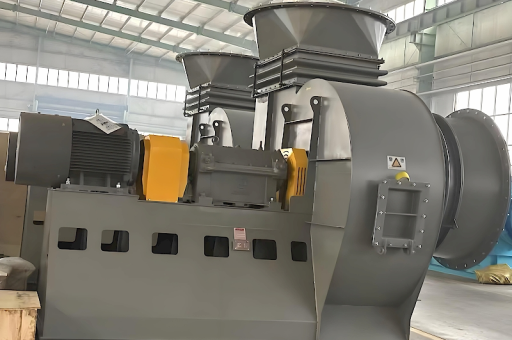
- Table of Contents (目录导读)
- Introduction: Why Chemical Factories Demand Specialized Blower Fans
- What is a Stainless Steel Zero Leakage Customized Centrifugal Blower Fan?
- Key Technical Features: Corrosion Resistance, Leak-Proof Design & Customization
- Applications in Chemical Plants: Acid Gas, Solvent Vapor & Explosive Environments
- Common Questions & Expert Answers (问答专区)
- How to Choose the Right Centrifugal Blower for Your Factory
- Maintenance Tips for Long-Term Zero Leakage Performance
- Conclusion: Future-Proofing Your Chemical Facility with Wind Turbine Technology
Article Title:
Stainless Steel Zero Leakage Customized Centrifugal Blower Fan: The Ultimate Ventilation Solution for Chemical Factories
Table of Contents (目录导读)
- Introduction: Why Chemical Factories Demand Specialized Blower Fans
- What is a Stainless Steel Zero Leakage Customized Centrifugal Blower Fan?
- Key Technical Features: Corrosion Resistance, Leak-Proof Design & Customization
- Applications in Chemical Plants: Acid Gas, Solvent Vapor & Explosive Environments
- Common Questions & Expert Answers (问答专区)
- How to Choose the Right Centrifugal Blower for Your Factory
- Maintenance Tips for Long-Term Zero Leakage Performance
- Conclusion: Future-Proofing Your Chemical Facility with Wind Turbine Technology
Introduction: Why Chemical Factories Demand Specialized Blower Fans
Chemical factories operate under some of the most stringent safety and performance requirements in industrial manufacturing. The presence of corrosive gases, volatile organic compounds (VOCs), and hazardous particulates means that standard blowers are not only inefficient but also pose serious risks—including fire, explosion, toxic leakage, and equipment failure.
According to industry statistics from leading chemical engineering journals, over 30% of unplanned shutdowns in chemical plants are related to ventilation or gas handling system failures. This is where a Stainless Steel Zero Leakage Customized Centrifugal Blower Fan becomes indispensable.
This type of fan is engineered to handle aggressive chemical streams without leaking toxic gases into the environment. When combined with advanced wind turbine aerodynamic principles, these blowers achieve higher efficiency, lower noise, and longer service life—even under 24/7 operation.
What is a Stainless Steel Zero Leakage Customized Centrifugal Blower Fan?
A Stainless Steel Zero Leakage Customized Centrifugal Blower Fan is a high-performance air-moving device specifically designed for corrosive and hazardous environments. Unlike standard centrifugal fans, it is constructed entirely from corrosion-resistant stainless steel (typically SS304, SS316, or SS316L), featuring a zero-leakage shaft seal system that prevents any gas from escaping along the rotating shaft.
The "customized" aspect refers to the ability to tailor:
- Impeller diameter and blade angle
- Inlet and outlet flange dimensions
- Motor power and speed (via VFD compatibility)
- Surface coatings (e.g., PTFE, epoxy, or halar)
- Seal type (mechanical seal, double seal, or magnetic drive)
This fan is often integrated with a wind turbine-inspired diffuser design to improve static pressure recovery and reduce energy consumption.
Key Technical Features: Corrosion Resistance, Leak-Proof Design & Customization
Corrosion Resistance
All gas-wetted parts are made from austenitic stainless steel. This material withstands sulfuric acid, hydrochloric acid, chlorine gas, and ammonia vapors. No rust, no pitting, no degradation over time.
Zero Leakage Design
The shaft penetration is sealed using a labyrinth seal combined with a pressurized buffer gas system. This ensures that even if the seal wears, no hazardous gas escapes. In critical applications, a double mechanical seal with a leak detection port is used.
Customization Capabilities
- Airfoil impellers for low-noise, high-efficiency flow
- Backward-curved blades for non-overloading power characteristics
- Explosion-proof motors (ATEX/IECEx certified)
- Inlet guide vanes for precise flow regulation
- Hygienic design for pharmaceutical-grade chemical processing
Many modern units are also being designed with wind turbine-style blade profiles that reduce turbulence and improve aerodynamic efficiency by up to 15%.
Applications in Chemical Plants: Acid Gas, Solvent Vapor & Explosive Environments
Acid Fume Extraction
Hydrochloric acid, nitric acid, and hydrofluoric acid vapors are common in etching and pickling lines. A stainless steel zero leakage blower safely transports these fumes to scrubbers.
Solvent Vapor Recovery
In pharmaceutical and paint manufacturing, VOC-laden air must be moved without leaks. Customized blowers with PTFE-coated impellers are used.
Explosive Atmosphere Ventilation
For hydrogen, acetylene, or ethylene oxide environments, the blower must be spark-resistant and grounded. Zero leakage prevents oxygen ingress that could trigger explosions.
Chlor-Alkali Plants
Chlorine gas handling requires 100% leak-proof systems. Double-sealed stainless steel blowers are standard.
Fertilizer Manufacturing
Ammonia and urea dust-laden air is handled by blowers with special wear-resistant coatings.
Common Questions & Expert Answers (问答专区)
Q1: Why can’t I use a standard carbon steel centrifugal fan in a chemical factory?
Carbon steel corrodes rapidly when exposed to acidic gases or moisture. Corrosion leads to imbalance, vibration, and eventually shaft seal failure, causing leakage. Stainless steel is mandatory for safety and longevity.
Q2: What does “zero leakage” actually mean in terms of measurable performance?
In practice, zero leakage means that the gas leakage rate is less than 0.01% of the total flow, often measured using a tracer gas method. For double-sealed systems, leakage is effectively undetectable.
Q3: How does customization affect delivery time and cost?
Customization typically adds 2–4 weeks to lead time and increases cost by 15–30%. However, the total cost of ownership is lower because the fan lasts 3–5 times longer than a standard unit in corrosive service.
Q4: Can these blowers be integrated with existing wind turbine ventilation systems?
Yes. Many chemical factories use large wind turbine-powered rooftop ventilators for general exhaust. A customized centrifugal blower can be installed in series or parallel to boost pressure when needed, especially for long duct runs.
Q5: What maintenance does a zero-leakage blower require?
Minimal. Inspect the mechanical seal every 6 months, check vibration levels monthly, and replace the buffer gas filter annually. With proper care, these fans run 5–10 years without major overhaul.
How to Choose the Right Centrifugal Blower for Your Factory
When selecting a Stainless Steel Zero Leakage Customized Centrifugal Blower Fan, consider these 5 factors:
- Gas Composition – Identify all corrosive components and their concentrations. This determines stainless steel grade and coating.
- Temperature & Pressure – High-temperature gases require thermal expansion compensation in the seal system.
- Required Flow & Static Pressure – Use fan laws to match your system curve. Wind turbine-style diffusers can help reduce horsepower.
- Safety Certifications – Ensure ATEX, IECEx, or NEC compliance for explosive atmospheres.
- Space Constraints – Customized inlet/outlet orientations can save floor space and ductwork.
Pro Tip: Always request a fan performance curve from the manufacturer, not just a single operating point. This ensures stable operation across varying conditions.
Maintenance Tips for Long-Term Zero Leakage Performance
- Monitor Vibration – Install vibration sensors on the bearing housing. An increase of 0.1 in/s indicates imbalance or seal wear.
- Check Seal Buffer Pressure – For double mechanical seals, maintain buffer gas pressure at least 0.5 bar above the fan internal pressure.
- Clean the Impeller – Even stainless steel can accumulate deposits. Schedule chemical cleaning every 6 months using a non-abrasive agent.
- Lubricate Bearings – Use high-temperature grease compatible with chemical environments. Regrease every 3 months.
- Inspect Duct Connections – Ensure flanges remain tight. Loose flanges can bypass the zero-leakage seal system.
By following these steps, you can achieve a fan life exceeding 15 years, even in the harshest chemical environments.
Conclusion: Future-Proofing Your Chemical Facility with Wind Turbine Technology
The Stainless Steel Zero Leakage Customized Centrifugal Blower Fan is not just a piece of equipment—it is a critical safety and efficiency component in modern chemical factories. By combining corrosion-resistant materials, advanced sealing technology, and aerodynamic optimization inspired by wind turbine design, these fans deliver reliable performance where failure is not an option.
As regulatory standards tighten and factories push for zero emissions, the demand for customized, leak-proof ventilation solutions will only grow. Investing in a high-quality stainless steel blower today means fewer shutdowns, lower operating costs, and a safer work environment for years to come.
Whether you are handling chlorine, ammonia, or volatile solvents, the right centrifugal fan—engineered specifically for your chemical process—is the smartest investment you can make.
For customized specifications or to request a performance curve, consult a reputable centrifugal fan manufacturer with experience in chemical process ventilation.





