The Comprehensive Guide to Labyrinth Seal Induced Draft Fans: Design, Efficiency, and Maintenance
Table of Contents
- Introduction to Labyrinth Seal Induced Draft Fans
- Fundamental Principles of Induced Draft Fans
- Understanding Labyrinth Seals in Industrial Fans
- Working Mechanism of Labyrinth Seal Induced Draft Fans
- Key Advantages Over Conventional Sealing Systems
- Application Areas and Industry Use Cases
- Design Considerations and Engineering Parameters
- Common Issues and Troubleshooting
- Maintenance Best Practices
- Frequently Asked Questions
- Conclusion
Introduction to Labyrinth Seal Induced Draft Fans
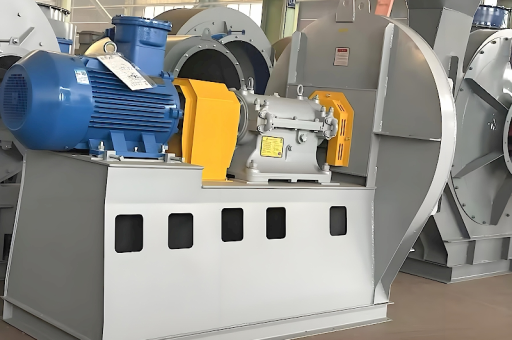
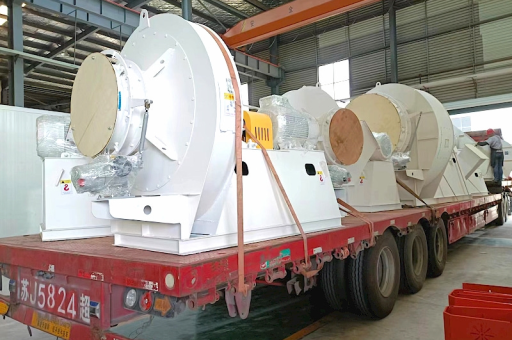
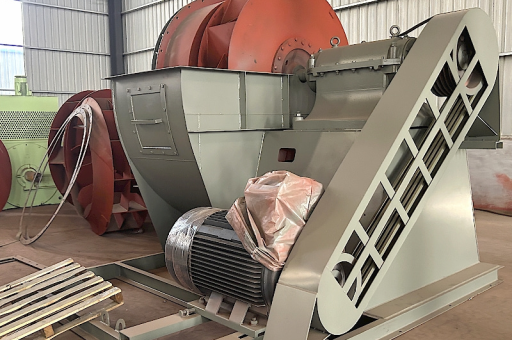
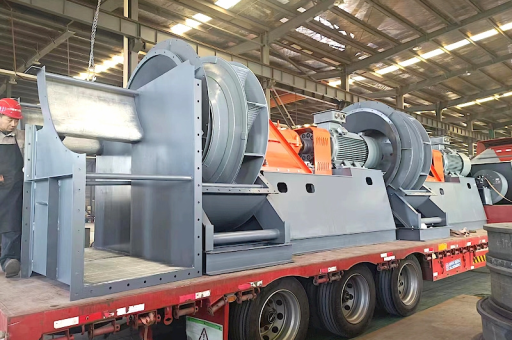
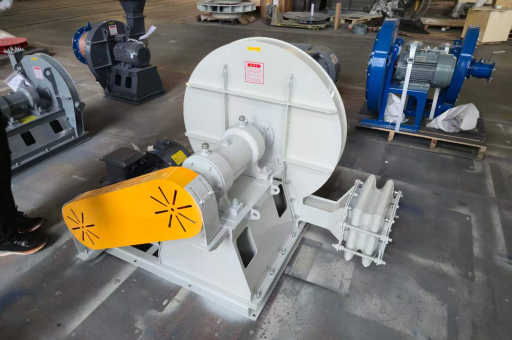
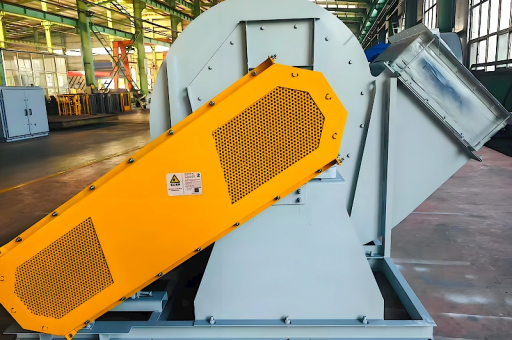
Industrial ventilation systems are the backbone of many heavy industries, from power plants to chemical processing facilities. Among the most critical components in these systems is the labyrinth seal induced draft fan, a specialized equipment designed to handle high-temperature, high-Pressure, and particulate-laden gas streams with exceptional efficiency.
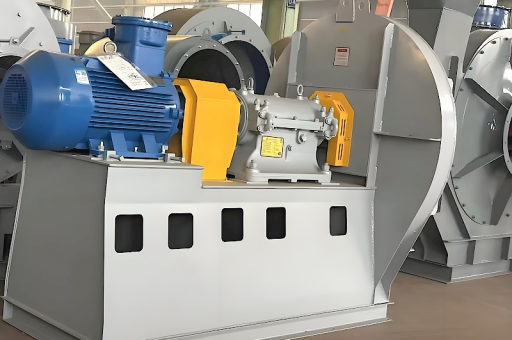
A labyrinth seal induced draft fan combines two essential engineering concepts: the induced draft mechanism that creates negative pressure to pull gases through a system, and the labyrinth seal technology that prevents leakage while allowing shaft rotation. This integration solves one of the most persistent challenges in industrial fan operation — maintaining seal integrity under extreme conditions.
Unlike traditional mechanical seals that wear quickly or require frequent replacement, labyrinth seals use non-contact, multi-chamber designs that create tortuous paths for gas flow, effectively blocking leakage without physical contact between rotating and stationary parts. This makes them ideal for applications where reliability and longevity are paramount.
This article explores the engineering principles, design variations, operational benefits, and maintenance strategies for labyrinth seal induced draft fans. Whether you are a plant engineer, maintenance manager, or procurement specialist, understanding this technology will help you optimize system performance and reduce operational costs.
Fundamental Principles of Induced Draft Fans
To appreciate the role of labyrinth seals, you must first understand how induced draft fans function.
An induced draft fan operates on the downstream side of a process system, pulling gases through the system by creating a negative pressure (vacuum) at its inlet. The fan discharges these gases into the atmosphere or to subsequent treatment stages.
Key Characteristics:
- The fan creates a pressure differential that moves gases against system resistance
- It handles gases that have already passed through the primary process (combustion, drying, etc.)
- Operating temperatures can range from 150°C to over 400°C depending on the application
- Gas streams often contain abrasive particles, corrosive compounds, or moisture
Why Induced Draft Fans Matter: In power generation, for example, induced draft fans pull combustion gases through boilers, electrostatic precipitators, and scrubbers. Without them, the entire system would be unable to maintain proper airflow, leading to reduced efficiency and safety hazards.
The fan's shaft must penetrate the fan housing, creating a potential leakage path. This is where sealing technology becomes critical, and labyrinth seals provide the optimal solution for demanding environments.
Understanding Labyrinth Seals in Industrial Fans
A labyrinth seal is a mechanical seal that uses a series of chambers, grooves, and fins to create a complex, winding path for gas or liquid attempting to escape. The name "labyrinth" accurately describes the intricate maze-like structure.
How Labyrinth Seals Work:
- Multiple fins or teeth on the rotating shaft interlace with stationary lands or grooves
- Each fin-to-land gap creates a throttling point
- Gas pressure drops progressively across each restriction
- Turbulence and flow resistance increase with each chamber
- The cumulative effect prevents significant leakage
Types of Labyrinth Seals Used in Fans:
- Straight-Through Labyrinth – Simple design with uniform tooth spacing
- Staggered Labyrinth – Teeth are offset from stationary lands for enhanced performance
- Stepped Labyrinth – Rotating and stationary components have varying diameters
- Interlocking Labyrinth – Teeth mesh deeply with grooves for maximum sealing
For induced draft fans, stepped or interlocking designs are most common because they accommodate shaft thermal expansion better while maintaining sealing effectiveness at high temperatures.
Working Mechanism of Labyrinth Seal Induced Draft Fans
The integration of labyrinth seals with an induced draft fan represents a sophisticated engineering solution. Here's how the system operates:
Step-by-Step Operation:
-
Gas Intake – The fan rotates, creating negative pressure at the inlet. Hot flue gases or process gases are drawn into the fan housing.
-
Energy Transfer – The impeller blades accelerate the gas, converting rotational energy into kinetic energy. The gas then exits through the discharge with increased pressure.
-
Shaft Penetration – The rotating shaft passes through the fan housing at both the drive end and non-drive end. The shaft diameter can range from 100mm to over 500mm in large industrial fans.
-
Labyrinth Sealing Action – At each shaft penetration point, the labyrinth seal:
- Creates a series of pressure drops along the shaft axis
- Reduces leakage to acceptable levels (typically below 2% of total flow)
- Prevents gas bypassing the main flow path
- Maintains sealing even during thermal expansion or vibration
-
Cooling and Purge Systems – Many labyrinth seal designs include:
- Air purge ports that inject clean air into the seal chambers
- Cooling fins or water jackets to reduce seal temperature
- Drain ports for condensed moisture or accumulated debris
Critical Engineering Consideration: The labyrinth seal gap must be precisely calculated. Too tight, and thermal expansion causes rubbing and damage. Too loose, and excessive leakage reduces fan efficiency. Modern designs use finite element analysis to optimize gaps for specific temperature ranges.
Key Advantages Over Conventional Sealing Systems
When compared to alternative sealing methods, labyrinth seal induced draft fans offer distinct advantages:
Comparison with Mechanical Seals: | Feature | Labyrinth Seal | Mechanical Seal | |---------|---------------|-----------------| | Contact | Non-contact | Contact surfaces | | Wear rate | Minimal (no friction) | High (requires replacement) | | Temperature limit | 500°C+ | ~250°C typical | | Pressure capability | Moderate | High | | Maintenance cost | Low | High | | Leakage control | Good (controlled) | Excellent (minimal) | | Installation complexity | Simple | Complex |
Comparison with Gland Packing:
- Labyrinth seals do not require periodic tightening
- No packing material consumption or replacement
- No shaft sleeve wear from friction
- Lower power consumption (less friction)
Unique Benefits of Labyrinth Seals in ID Fans:
- Thermal Tolerance – Withstands the extreme temperature fluctuations common in boiler applications
- Dry Operation – No lubrication required, eliminating oil contamination risks
- Fail-Safe Design – If labyrinth teeth wear, leakage increases gradually rather than sudden catastrophic failure
- No Process Contamination – Unlike purge air systems, labyrinth seals do not introduce foreign gases into the process stream (when properly designed)
- Long Service Life – 10-15 years of continuous operation is common with proper maintenance
Application Areas and Industry Use Cases
Labyrinth seal induced draft fans are essential in multiple industries where reliability and efficiency under harsh conditions are non-negotiable.
Power Generation (Coal, Biomass, Waste-to-Energy):
- Handling flue gases from boilers
- Operating in temperature ranges of 150-400°C
- Managing fly ash laden gas streams
- Critical for emissions control system performance
Cement Industry:
- Clinker cooler exhaust systems
- Raw mill and finish mill ventilation
- Preheater exhaust gases
- High abrasive particle loads accelerate seal wear
Chemical and Petrochemical:
- Reactor off-gas systems
- Process heat recovery
- Incinerator exhaust
- Corrosive gas compounds require special materials
Steel Manufacturing:
- Sinter plant exhaust
- Blast furnace gas handling
- Converter off-gas systems
- High temperature and dust loading
Other Applications:
- Paper mill recovery boilers
- Glass furnace exhaust
- Refinery FCC units
- Industrial incinerators
Case Example: A 600MW coal-fired power plant replaced traditional mechanical seals with labyrinth seals on its induced draft fans. Results included:
- 40% reduction in seal-related downtime
- 15% lower maintenance costs annually
- Elimination of seal water consumption
- Improved fan efficiency by 2-3%
Design Considerations and Engineering Parameters
Successful implementation of labyrinth seal induced draft fans requires careful consideration of multiple parameters.
Operating Conditions:
- Gas temperature (maximum and transient)
- Pressure differential
- Particulate loading (concentration and particle size)
- Corrosive constituents (SOx, NOx, chlorides)
- Humidity and condensation potential
Geometric Parameters:
- Number of teeth (typically 6-15 per seal)
- Tooth height and width
- Tooth pitch and clearance
- Chamber depth and aspect ratio
- Overall seal length
Material Selection:
- Shaft materials – Alloy steel, stainless steel, or Inconel for high temperatures
- Stationary components – Cast iron, ductile iron, or stainless steel
- Tooth inserts – Hardfacing with Stellite or ceramic coatings for abrasion resistance
- Housing – Carbon steel with refractory lining in hot zones
Computational Analysis: Modern design relies heavily on:
- CFD (Computational Fluid Dynamics) to model leakage and flow patterns
- FEA (Finite Element Analysis) for thermal stress distribution
- Modal analysis for vibration characteristics
- Rotordynamic analysis for shaft stability
Critical Dimension: Clearance Optimization The radial clearance between teeth and stationary components typically ranges from 0.5mm to 3mm. For a 400°C application with a 300mm shaft, thermal expansion of approximately 1.5mm must be accommodated, requiring precise clearance calculation.
Common Issues and Troubleshooting
Even with robust design, labyrinth seal induced draft fans can experience operational problems. Recognizing symptoms early prevents major failures.
Issue 1: Excessive Leakage
- Symptoms – Visible gas escape, reduced fan efficiency, higher motor current
- Causes – Worn tooth tips, excessive clearance from thermal distortion, corrosion of stationary parts
- Solution – Inspect and repair or replace worn components; verify thermal clearance calculations
Issue 2: Rubbing or Contact
- Symptoms – Unusual noise, vibration increase, power fluctuation
- Causes – Misalignment, thermal bowing of shaft, bearing wear, foundation settlement
- Solution – Realign fan and motor, check bearing condition, verify baseplate integrity
Issue 3: Debris Accumulation
- Symptoms – Gradual performance decline, seal blockage
- Causes – Sticky ash deposits, moisture condensation, chemical buildup
- Solution – Install air purge systems, use water-wash nozzles, modify seal chamber geometry
Issue 4: Overheating
- Symptoms – High bearing temperatures, seal discoloration, oil degradation
- Causes – Insulated bearing housing, poor ventilation, process gas backflow
- Solution – Add cooling air ports, improve thermal insulation design, check purge air flow
Troubleshooting Flowchart:
- Measure vibration and temperature at multiple points
- Perform acoustic analysis to detect rubbing patterns
- Inspect seal areas via borescope without disassembly
- Review operating logs for trend changes
- If necessary, plan shutdown for internal inspection
Maintenance Best Practices
Proactive maintenance extends the service life of labyrinth seal induced draft fans and prevents unplanned outages.
Routine Inspection Schedule:
- Daily – Check vibration, temperature, noise levels
- Weekly – Verify purge air flow, drain condensate traps
- Monthly – Review trend data, inspect accessible seal areas
- Quarterly – Surface temperature mapping, seal gap measurement (if possible)
- Annually – Borescope inspection, replace worn components
Preventive Maintenance Techniques:
- Laser Alignment – Align fan shaft with motor during every major maintenance event
- Bearing Health Monitoring – Use offline vibration analysis and oil analysis
- Clearance Measurement – Use feeler gauges or non-contact measurement tools during shutdown
- Ceramic Coating – Apply thermal spray coatings to stationary components for wear resistance
- Dynamic Balancing – On-site balancing reduces shaft vibration and seal wear
Predictive Maintenance Tools:
- Real-time vibration monitoring with alarm thresholds
- Thermographic imaging to identify hot spots
- Acoustic emission sensors for early rubbing detection
- Online oil contamination analysis
Replacement Considerations: When seal components reach end-of-life:
- Evaluate if design upgrades can improve performance
- Consider retrofitting with advanced labyrinth designs
- Verify clearances when replacing with identical parts
- Document all modifications for future reference
Pro Tip: Maintain detailed records of seal clearances, operating temperatures, and run hours. This data enables condition-based maintenance and justifies capital improvements.
Frequently Asked Questions
Q1: What is the typical leakage rate for a labyrinth seal induced draft fan?
A: Under normal operating conditions, leakage rates are typically 1-3% of the total fan flow. High-quality designs with 15+ teeth can achieve below 1% leakage. However, leakage increases with wear, so regular monitoring is essential.
Q2: Can labyrinth seals handle abrasive fly ash in power plant applications?
A: Yes, but material selection is critical. Hard chrome plating, tungsten carbide coatings, or ceramic inserts are recommended for stationary components. Some designs incorporate replaceable wear strips for easy maintenance.
Q3: How do I choose between labyrinth seals and mechanical seals for my fan application?
A: Choose labyrinth seals when:
- Operating temperature exceeds 250°C
- Gas stream contains significant particulate
- High reliability with minimal maintenance is required
- Space constraints exist (simpler installation)
Choose mechanical seals when:
- Zero leakage is absolutely required
- Operating pressures exceed 5 bar
- Lower initial cost is primary concern
- Process gas is toxic or valuable
Q4: What causes sudden leakage increase in a labyrinth seal induced draft fan?
A: Common causes include:
- Thermal shock causing shaft bowing
- Bearing failure increasing shaft runout
- Foreign object damage (scale or debris)
- Corrosion eroding tooth tips
- Excessive pressure transient during startup
Q5: How often should labyrinth seal clearances be inspected?
A: Initially, inspect after first year of operation to establish baseline wear rates. Subsequent inspections every 3-5 years are typical, but more frequent in severe service. Continuous monitoring systems provide real-time performance data.
Q6: Can labyrinth seals be retrofitted to existing induced draft fans?
A: Yes, retrofitting is common and often cost-effective. The existing shaft and housing must be evaluated for modification feasibility. Many manufacturers offer retrofit kits including machined seal sleeves, stationary rings, and modified housing covers.
Q7: What is the temperature limit for labyrinth seal induced draft fans?
A: With proper material selection (Inconel, superalloys), seals can operate at 500-600°C. Cooling systems (water jackets, air purges) extend the range. For applications above this, ceramic labyrinth designs have been developed.
Conclusion
The labyrinth seal induced draft fan represents a mature yet continuously evolving technology that addresses fundamental challenges in industrial gas handling. Its non-contact design, exceptional temperature tolerance, and minimal maintenance requirements make it the preferred choice for severe service applications.
Engineers must consider operational parameters, material science, and maintenance practices to achieve optimal performance. The combination of Computational Fluid Dynamics modeling, advanced materials, and condition monitoring has elevated labyrinth seal technology to new levels of reliability and efficiency.
For industries demanding uptime, efficiency, and safety — especially power generation, cement, and chemical processing — the labyrinth seal induced draft fan remains an indispensable component. As environmental regulations tighten and energy costs rise, the subtle advantages offered by optimized seal design translate directly to bottom-line performance.
Investing in proper seal design, selection, and maintenance yields returns through reduced leakage, lower energy consumption, minimized downtime, and extended equipment life. For any facility operating large induced draft fans, understanding and implementing labyrinth seal technology is not just an option — it is an engineering imperative.
Final Recommendation: When specifying or replacing sealing systems for induced draft fans, always consult with sealing specialists who can model your specific operating conditions. The upfront investment in a properly engineered labyrinth seal solution will pay dividends over the lifespan of your equipment.