
This article's table of contents introduction:
- What is it?
- Why Stainless Steel is Required
- Key Design Features of this Fan
- Typical Applications in the Incinerator
- Potential Issue: "Garbage Incinerator" vs "Waste-to-Energy"
- Next Steps
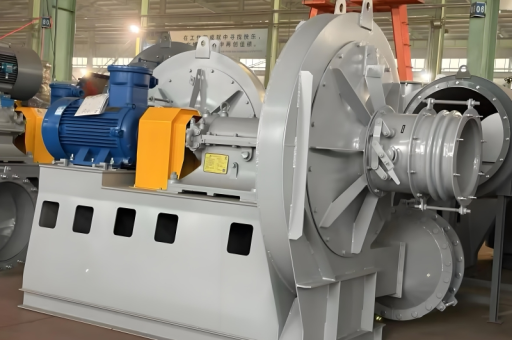
It seems like you've listed a few keywords or components related to industrial equipment. Based on the phrasing, it appears you are referring to a high-pressure fan made of stainless steel used in a garbage incinerator power plant.
Here is a breakdown of what this equipment is and why these specific materials and specifications are critical:
What is it?
A High Pressure Power Plant Fan in a Garbage Incinerator is a heavy-duty industrial fan (often an ID Fan or FD Fan) designed to move gases (air, flue gas) against significant resistance through the boiler system. The "stainless steel" specification refers to the material of the impeller (rotating blades) and casing.
Why Stainless Steel is Required
Standard carbon steel fans would rapidly corrode in a waste-to-energy plant. Stainless steel is mandatory for two main reasons:
- Corrosion Resistance: Burning municipal solid waste (garbage) produces highly acidic flue gases (containing HCl, SOx, NOx).
- Ductile Iron / Carbon Steel: Lasts only a few months.
- Stainless Steel (e.g., SS 316L, Duplex 2205, or Hastelloy C-276 for extreme cases): Resists acidic condensation, extending fan life to years.
- Wear Resistance (Erosion): Fly ash in the gas stream acts like sandpaper. While stainless steel is not inherently harder than carbon steel, special hard-faced stainless steel alloys (or coatings applied to stainless substrates) are used to fight erosion.
Key Design Features of this Fan
| Feature | Why it matters for garbage incinerators |
|---|---|
| High Pressure | Must overcome pressure drop across the boiler, scrubbers, baghouse filters, and stack. |
| Variable Speed Drive | Needed to control combustion air (O2 levels) and furnace draft (negative pressure). |
| Backward Curved Blades | High efficiency, stable operation, and self-limiting power to prevent motor overload. |
| Shaft Seal | Prevents hot, corrosive, and toxic flue gas from leaking out of the fan housing. |
| Drain Ports | Allows for drainage of acidic condensate that collects in the fan volute during startup/shutdown. |
Typical Applications in the Incinerator
This fan is not just one component; it usually refers to one of two specific fans:
- Forced Draft (FD) Fan (Stainless optional):
- Job: Pushes hot air into the furnace.
- Material: Often carbon steel unless the air is preheated by flue gas (which can cause corrosion).
- Induced Draft (ID) Fan (Stainless mandatory):
- Job: Pulls the combustion gas out of the furnace, through the pollution control system, and up the chimney.
- Material: Must be heavy-gauge stainless steel. This fan handles the dirty, corrosive flue gas.
Potential Issue: "Garbage Incinerator" vs "Waste-to-Energy"
The term "garbage incinerator" is often replaced by Waste-to-Energy (WtE) Plant or Energy-from-Waste (EfW) Plant in technical contexts.
- If you are sourcing a replacement, look for a "Waste-to-Energy ID Fan" or "EfW Flue Gas Fan."
- Suppliers: Companies like Howden, TLT-Turbo (Siemens), Robinson Fans, New York Blower, or FläktGroup specialize in these.
Next Steps
If you need to specify, repair, or replace this fan, you will need the following data:
- Gas Conditions: Temperature (max and operating), gas composition (HCl, SO2, H2O%), dust loading (g/Nm³).
- Performance: Air volume (m³/s or CFM), static pressure (Pa or inches w.g.), density.
- Material Grade: Is the current fan SS304, SS316L, or a higher alloy like Duplex 2205? (SS316L is the minimum for ID fans).
- Certification: ATEX (Europe) or NFPA (USA) rating is often required due to the risk of CO explosion or ember sparking.
In summary: You are describing a critical, high-durability piece of equipment. The "stainless steel" part is non-negotiable for reliability in a garbage incinerator's high-pressure gas handling system.





