
This article's table of contents introduction:
- The Application: Single Inlet Biomass Boiler Fan
- The Material: HG785 Alloyed Steel
- Energy Efficiency: The Core Benefit
- Practical Advantages for Your System
- Critical Considerations & Warnings
- Summary Recommendation
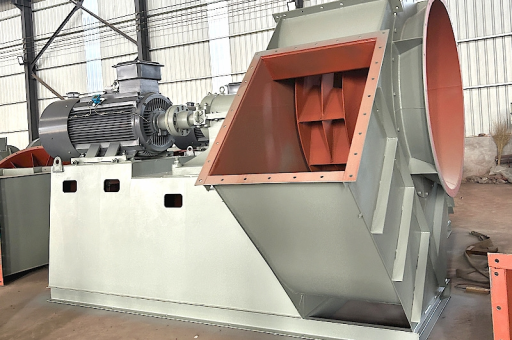
Based on your query, it appears you are looking for information on a Single Inlet Biomass Boiler Fan specifically made from HG785 Alloyed Steel with a focus on Energy Efficiency.
Here is a detailed breakdown of what this combination entails, the benefits, and why choosing this specific material is critical for biomass applications.
The Application: Single Inlet Biomass Boiler Fan
- What it is: This is a centrifugal fan (usually backward or forward curved) with one air intake (single inlet). It is specifically designed to handle the combustion air for biomass boilers (burning wood chips, pellets, agricultural waste).
- Key Functions:
- Primary Air: Feeds air under the grate to start and sustain combustion.
- Secondary Air: Inject air above the fuel bed to ensure complete combustion of volatile gases (reducing smoke and emissions).
- Induced Draft (ID): In some systems, it pulls flue gas through the boiler to maintain negative pressure.
The Material: HG785 Alloyed Steel
HG785 is a high-strength, low-alloy (HSLA) structural steel, similar to Q690D or domestic equivalents (e.g., 16MnCr5 in some contexts). It is not stainless steel, but a quenched and tempered alloy.
Why HG785 is used for this fan:
- High Yield Strength (≈690 MPa): This is the primary advantage. Biomass fans often operate at high RPMs to generate sufficient pressure to overcome fuel bed resistance and duct work.
- Resonance & Fatigue Resistance: Impellers made from HG785 are stiffer. This prevents resonance at critical operating speeds (a major cause of fan failure in biomass boilers).
- Abrasion Resistance: While not a wear plate, the hardened nature of HG785 offers better resistance to the erosive effects of fly ash and small particulates in the air stream compared to standard carbon steel (Q235/Q345).
- Thinner, Lighter Construction: Because the material is stronger, the impeller blades and backplate can be thinner. This reduces the moment of inertia, allowing for quicker startup and lower motor starting torque requirements.
Energy Efficiency: The Core Benefit
The use of HG785 directly contributes to energy efficiency in two ways:
- Reduced Impeller Mass (Lower Inertia): A lighter impeller requires less energy to accelerate.
- Higher Static Efficiency: Because the material can withstand higher stress, the fan can be designed for higher tip speeds without increasing thickness. High-speed, single-inlet fans can achieve static efficiencies of 80% – 85% if the aerodynamic design (housing and blade profile) is optimized alongside the material.
Efficiency Challenges in Biomass (Specific to your fan): Standard fans lose efficiency due to blade fouling (buildup of creosote and ash). The HG785 alloy allows the blades to be designed with thinner trailing edges and steeper blade angles (backward curved) which:
- Resist dust buildup (less drag).
- Maintain a stable pressure curve even when the boiler load changes.
- Reduce wheel slip losses.
Practical Advantages for Your System
| Feature | Benefit |
|---|---|
| Single Inlet Design | Economical for smaller to mid-size boilers (usually < 10 MW). Easier to duct and maintain than double-inlet. |
| HG785 Impeller | Allows higher rotational speeds without deformation, resulting in higher pressure generation for deep bed burning (e.g., wood chips). |
| Energy Efficiency | A properly designed fan with HG785 can reduce motor power consumption by 5-10% compared to a standard mild steel fan of the same duty, due to reduced weight and optimized aerodynamics. |
| Longevity | The steel resists stress corrosion cracking better than mild steel in the acidic, humid environment of a biomass boiler. |
Critical Considerations & Warnings
- Weldability: HG785 requires pre-heating (typically 150°C – 200°C) and post-weld stress relief. If a cheap manufacturer uses HG785 but welds it like mild steel, the impeller will fail catastrophically due to hydrogen cracking at the blade root.
- Vibration Sensitivity: The high stiffness of HG785 means the fan is less forgiving of imbalance. You must use a high-quality dynamic balancing machine (G2.5 or better). A slightly unbalanced HG785 fan will transfer more vibration to the bearings.
- Galvanic Corrosion: If the fan housing is mild steel but the impeller is HG785, there is a risk of galvanic corrosion in high-humidity conditions. A protective coating (epoxy or zinc-rich primer) on the housing is recommended.
Summary Recommendation
If you are purchasing or specifying a Single Inlet Biomass Boiler Fan made from HG785 Alloyed Steel:
- Demand a fatigue analysis from the manufacturer for the impeller joints.
- Specify a high-efficiency motor (IE4 or IE5) to match the fan's efficiency.
- Request the moment of inertia (WR²) to ensure your drive motor and VFD (Variable Frequency Drive) can handle the load.
- Ensure pre-heat welding protocols are guaranteed in the manufacturing contract.
Conclusion: The HG785 alloy is an excellent choice for this application. It raises the mechanical limits of the fan, allowing for a more aggressive aerodynamic design that cuts energy consumption. You are trading slightly higher material cost for significantly lower operating electricity costs and longer service intervals.





