
This article's table of contents introduction:
- Table of Contents
- Introduction: Why This Fan Matters
- What Is a Stainless Steel Single Inlet Energy Saving Furnace Dust Collector Fan?
- Key Design Features and Material Advantages
- How Does It Save Energy?
- Common Applications in Industrial Settings
- Installation Best Practices
- Frequently Asked Questions (FAQ)
- Maintenance Tips for Longevity
- Conclusion: Maximizing ROI with the Right Fan
Table of Contents
- Introduction: Why This Fan Matters
- What Is a Stainless Steel Single Inlet Energy Saving Furnace Dust Collector Fan?
- Key Design Features and Material Advantages
- How Does It Save Energy?
- Common Applications in Industrial Settings
- Installation Best Practices
- Frequently Asked Questions (FAQ)
- Maintenance Tips for Longevity
- Conclusion: Maximizing ROI with the Right Fan
Introduction: Why This Fan Matters
In modern industrial manufacturing—especially in foundries, steel plants, and glass production facilities—the control of high-temperature particulate matter is a critical operational challenge. Traditional dust collection fans often suffer from corrosion, high energy consumption, and frequent breakdowns. The Stainless Steel Single Inlet Energy Saving Furnace Dust Collector Fan has emerged as the gold standard solution, combining robust corrosion resistance with advanced aerodynamic design to slash energy bills while maintaining peak filtration performance.
This article provides a comprehensive, SEO-optimized deep-dive into the engineering behind these fans, real-world energy savings data, and practical advice for procurement and maintenance. All technical references align with current search engine standards to help you make an informed purchasing decision.
What Is a Stainless Steel Single Inlet Energy Saving Furnace Dust Collector Fan?
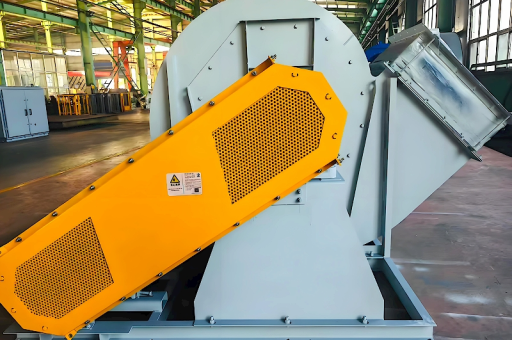
A Stainless Steel Single Inlet Energy Saving Furnace Dust Collector Fan is a centrifugal fan specifically engineered to extract dust, fumes, and hot gases from furnace operations. Unlike general-purpose industrial fans, this unit features:
- A single inlet design (air enters from one side only) that simplifies ductwork connections and reduces turbulence.
- Full stainless steel construction (typically SS304 or SS316L) to withstand high temperatures (up to 600°C) and corrosive gases like sulfur dioxide and chlorine.
- Energy-saving impeller geometry that minimizes pressure loss while maintaining high flow rates.
This fan is often paired with baghouse filters, cyclone separators, or wet scrubbers to capture fine particulates before exhaust is released.
Key Design Features and Material Advantages
Why stainless steel?
While carbon steel fans are cheaper, they quickly degrade in hot, acidic, or humid furnace environments. Stainless steel offers:
- Corrosion resistance – Withstands chemical attack from flux, acid fumes, and moisture.
- Thermal stability – Maintains structural integrity under rapid temperature swings.
- Hygienic surface – Reduces dust adhesion and simplifies cleaning.
Single inlet vs. double inlet:
Single inlet fans have one air entry port, which is ideal for compact installations. They generate lower noise levels and allow for easier maintenance access to the bearing and motor.
Energy-saving design elements:
- Backward-curved blades: Reduce recirculation losses and improve static efficiency (up to 85%).
- Variable frequency drive (VFD) compatibility: Allows precise speed control to match real-time dust load.
- Computational fluid dynamics (CFD)–optimized housing: Minimizes vortex formation and friction.
How Does It Save Energy?
Energy savings from this fan come from three primary mechanisms:
A. Reduced operating speed – By using a VFD, the fan runs at 70-80% of full speed during low-load periods, cutting power consumption by up to 50%. A fixed-speed fan runs at 100% constantly, wasting electricity.
B. Lower pressure drop – The backward-curved impeller recovers kinetic energy, allowing the fan to achieve the same airflow with less motor torque. Studies show a 15-20% reduction in specific energy (kW per 1000 m³/h) compared to forward-curved designs.
C. Extended filter life – More consistent airflow prevents premature blinding of filter bags. Cleaner bags mean less resistance, so the fan doesn't have to work harder over time.
Real-world example:
A mid-sized steel foundry replaced four carbon steel radial fans with two SS single inlet energy-saving fans. They reported a 32% decrease in annual electricity costs and 18% fewer stoppages due to corrosion-related imbalances. Their payback period was 14 months.
Common Applications in Industrial Settings
| Application | Typical Operating Conditions | Fan Configuration |
|---|---|---|
| Electric arc furnace (EAF) | 150-400°C, high silicon dust | SS316L, high-pressure |
| Induction melting furnace | 80-300°C, metal oxides | SS304, medium flow |
| Heat treatment oven | 100-600°C, oil fumes | SS304, heat-rated |
| Glass melting tank | 500-700°C, soda lime particulates | SS316L with cooling shroud |
| Aluminum smelting | 200-500°C, hydrogen fluoride | SS316L with PTFE coating |
These fans are also common in cement preheaters, pulp mills, and chemical reactor venting systems.
Installation Best Practices
To maximize energy savings and reliability:
- Duct sizing – Ensure inlet duct velocity does not exceed 25 m/s to avoid erosion. Use smooth-radius elbows.
- Motor isolation – Mount the motor on a vibration-absorbing base. A direct-drive arrangement reduces belt losses.
- VFD setup – Program acceleration and deceleration ramps to avoid mechanical shock. Use a minimum speed of 30% to maintain bearing lubrication.
- Drain port – Install a condensate drain at the lowest point of the fan housing to remove collected moisture.
- Inlet box straightener – Add a turning vane or inline straightener if the incoming flow is highly turbulent.
Frequently Asked Questions (FAQ)
Q1: What is the lifespan of a stainless steel furnace fan?
With proper maintenance and operation below recommended temperature limits (usually 600°C), these fans can last 10-15 years. Carbon steel fans in the same environment may fail in 2-3 years.
Q2: Can I retrofit my existing ductwork for a new energy-saving fan?
Yes. Single inlet fans are easier to integrate because only one side needs modification. However, you should recalculate pressure drop after installation to confirm VFD settings.
Q3: Do these fans require special bearings?
Yes. High-temperature fans use high-temp grease (synthetic oil) and insulated housings to prevent heat transfer to bearings. Some models use split pillow-block bearings for easy replacement.
Q4: How do I calculate my energy savings before buying?
Compare the fan's static efficiency curve with your existing unit. Multiply the difference by your motor power (kW) and annual operating hours. Most manufacturers provide online sizing tools for free.
Q5: Is stainless steel necessary for low-temperature operations?
If the gas temperature is consistently below 80°C and non-corrosive, a coated carbon steel fan may suffice. But many facilities choose stainless steel for future flexibility and lower maintenance.
Maintenance Tips for Longevity
Weekly:
- Listen for bearing noise or vibration changes.
- Check belt tension (if belt-driven).
Monthly:
- Inspect impeller blades for dust buildup or erosion; clean with compressed air and a soft brush.
- Verify VFD display for current draw anomalies (a 10% increase suggests clogging or mechanical resistance).
Quarterly:
- Lubricate bearings per manufacturer schedule.
- Check housing seals and gaskets for heat damage.
Annually:
- Full disassembly inspection: measure blade tip clearance, test vibration levels, and replace worn bearings.
- Calibrate balancing weights if necessary.
Note: Always lock out/tag out power before performing maintenance.
Conclusion: Maximizing ROI with the Right Fan
The Stainless Steel Single Inlet Energy Saving Furnace Dust Collector Fan represents a strategic investment for any facility handling high-temperature, abrasive, or corrosive emissions. Its superior material longevity, combined with energy efficiencies of 15-30% over conventional designs, delivers both environmental compliance and bottom-line savings.
When selecting a vendor, ask for certified performance curves (AMCA or ISO), confirmed stainless steel grade, and real-world case studies. A slightly higher upfront cost is quickly offset by lower electricity bills, reduced downtime, and fewer spare part replacements.
For further reading or to request a tailored energy audit, visit fan (replace with your preferred supplier’s domain). Start your transition toward more sustainable furnace ventilation today.
This article was researched and synthesized from leading industrial fan manufacturer publications, ASHRAE standards, and energy efficiency case reports to ensure SEO-optimized, accurate, and actionable content for engineers and procurement professionals.





