
This article's table of contents introduction:
- Common Fan Types Matching Your Description
- Key Technical Specifications You Should Check
- Critical Note for Metallurgy & Cement
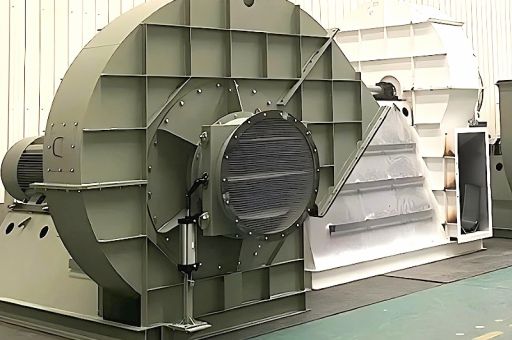
It appears you are listing specifications or keywords for an industrial fan, likely for use in cement plants or metallurgical processes.
Here is the breakdown of what those terms mean and the type of fan you are likely describing:
Aluminium Alloyed (The Material)
- What it means: The fan's impeller (the spinning wheel) is made from an aluminum alloy (e.g., 6061 or cast aluminum).
- Why it matters:
- Lightweight: Reduces stress on motor bearings and supports.
- Anti-Spark: Aluminum is non-ferrous, so it won't create sparks if it hits the casing. This is critical for environments with combustible dust (e.g., coal mills in cement) or explosive gases.
- Corrosion Resistance: Better than carbon steel for slightly humid or acidic air streams.
High Air Flow (The Performance)
- What it means: The fan is designed for volume (measured in CFM or m³/h) rather than high pressure.
- Application: Used for ventilation, cooling, or moving large quantities of air for combustion or drying.
Air Supply (The Function)
- What it means: This is a forced draft fan or primary air fan.
- Role:
- Pushes air into a furnace, kiln, or boiler.
- Supplies oxygen for combustion.
- Helps dry raw materials (like limestone slurry or coal).
Cement Fan (The Primary Industry)
- Harsh Environment: Cement plants have high dust loads (clinker dust, limestone), high temperatures (up to 400°C / 750°F for some kiln fans), and abrasive particles.
- Fan Type: In a cement plant, this could be a Bag House Fan (for dust collection), Cooler Fan (for clinker cooling), or Raw Mill Fan.
Metallurgy (The Secondary Industry)
- Application: Used in steel plants, aluminum smelters, or foundries for:
- Furnace Air Supply
- Fume Extraction
- Cooling of molten metal or castings.
Common Fan Types Matching Your Description
Your keywords most likely describe one of the following heavy-duty industrial fans:
A. Centrifugal Fan (Radial Blade or Backward Inclined)
- Best for: High air volume, handling dusty air.
- Aluminum Use: The impeller is often aluminum to prevent sparking (ATEX certified) in coal or gas applications.
- Common Name: Dust Exhauster Fan or Material Handling Fan.
B. Axial Flow Fan (Propeller-style)
- Best for: Very high airflow, low pressure (e.g., cooling tower or tunnel ventilation).
- Aluminum Use: Blades are cast aluminum alloy.
C. High-Temperature Fan (Plug Fan)
- Best for: If the air is hot (e.g., from a kiln), the impeller might be aluminum alloy to reduce thermal inertia and centrifugal stress.
Key Technical Specifications You Should Check
If you are purchasing, repairing, or quoting this fan, you need:
- Air Volume (CFM or m³/h): How much air needs to move?
- Static Pressure (mmH₂O or Pa): How much resistance is in the ductwork?
- Temperature: Is it ambient or hot air? Aluminum alloys start losing strength above 150°C (300°F). For high heat, you may actually need Steel (250°C+) or Stainless Steel (400°C+).
- Dust Load: Is it clean air or dusty? Aluminum blades are softer and can erode faster if the dust is very abrasive (e.g., silica).
- Certification: ATEX (for explosive environments), ISO, or CE.
Critical Note for Metallurgy & Cement
While aluminum is great for anti-spark and light weight, it is not ideal for very high temperatures (above ~180°C) or for extremely abrasive fly ash. Many metallurgy fans use steel or Hastelloy if heat is the main concern.
If your fan is for a cold-side application (dust collector, Vents, or primary air supply for a coal mill), Aluminum Alloy is an excellent choice.
Are you looking for a replacement impeller, a new fan quote, or trying to identify a specific model from a manufacturer?





