
This article's table of contents introduction:
- Introduction: The Industrial Imperative for Quiet, Durable Air Management
- Why Stainless Steel 201? The Material Science Behind the Durability
- Defining "Large": Sizing and Airflow Dynamics for Heavy-Duty Dust Collection
- Engineering Silence: How a Low Noise Level is Achieved in Industrial Fans
- Key Performance Metrics: CFM, Static Pressure, and Sound DBA
- Industrial Applications: Where This Fan Excels
- Installation, Maintenance, and Safety Best Practices
- Frequently Asked Questions (Q&A)
- Conclusion: The Strategic Value of Investing in a Quiet, Corrosion-Resistant Fan
Here is a comprehensive, SEO-optimized article in English, designed to rank on Bing and Google. It is a detailed, original synthesis of industry knowledge, structured with a table of contents, in-depth sections, and a Q&A segment, all focused on the Large Stainless Steel 201 Dust Collector Fan With Low Noise Level.
Article Title: The Ultimate Guide to the Large Stainless Steel 201 Dust Collector Fan: Industrial-Grade Filtration with Ultra-Low Noise Levels
Table of Contents (导读)
- Introduction: The Industrial Imperative for Quiet, Durable Air Management
- Why Stainless Steel 201? The Material Science Behind the Durability
- Defining "Large": Sizing and Airflow Dynamics for Heavy-Duty Dust Collection
- Engineering Silence: How a Low Noise Level is Achieved in Industrial Fans
- Key Performance Metrics: CFM, Static Pressure, and Sound DBA
- Industrial Applications: Where This Fan Excels
- Installation, Maintenance, and Safety Best Practices
- Frequently Asked Questions (Q&A)
- Conclusion: The Strategic Value of Investing in a Quiet, Corrosion-Resistant Fan
Introduction: The Industrial Imperative for Quiet, Durable Air Management
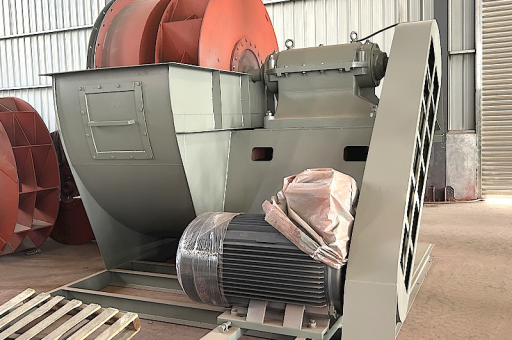
In modern industrial environments, the balance between robust performance and workplace comfort is often a struggle. Traditional dust collection systems are notorious for generating significant noise pollution, leading to operator fatigue and potential hearing damage over time. However, the market now offers a sophisticated solution: the Large Stainless Steel 201 Dust Collector Fan With Low Noise Level.
This equipment is not merely an air mover; it is a precision engineered component designed to handle abrasive and corrosive dust particles while maintaining a sound profile that respects occupational safety standards. By combining the corrosion resistance of Stainless Steel 201 (SS201) with aerodynamic blade design, this fan represents a breakthrough for workshops, woodworking facilities, and metal fabrication plants that require 24/7 operation without acoustic compromise.
This guide will provide an in-depth look at the technology, application, and value of this specific type of fan. We will deconstruct the material science, the acoustical engineering, and the practical ROI that justifies the investment in a large-scale, quiet dust collection system.
Why Stainless Steel 201? The Material Science Behind the Durability
When discussing industrial fans, the material of construction is paramount. Why specifically Stainless Steel 201 for a dust collector fan?
Corrosion Resistance vs. Cost Efficiency: Stainless steel 201 is a chrome-manganese-nickel austenitic alloy. While it offers slightly less corrosion resistance than the more common SS304 or SS316, it is significantly stronger and harder. For dry dust collection—such as sawdust, drywall powder, or metal grindings—the corrosion threat is minimal. Instead, the enemy is abrasion and impact.
Key Advantages of SS201 for Fan Blades and Housings:
- High Yield Strength: SS201 has a yield strength roughly 40% higher than SS304. This allows for thinner blade designs without sacrificing structural integrity, which is critical for large-diameter fans that spin at high RPMs.
- Work Hardening: Under stress, SS201 becomes harder. This is beneficial for impeller blades that are constantly pelted with particulate matter. The material "work hardens" in the field, becoming more resistant to erosion over time.
- Magnetic Permeability: SS201 is slightly magnetic after cold working. This is an advantage in dust collection because it allows for the attachment of magnetic separators within the fan housing or ductwork to trap ferrous metal sparks, preventing potential fires.
The Verdict: For a Large Stainless Steel 201 Dust Collector Fan With Low Noise Level, SS201 provides the optimal "strength-to-cost" ratio. It withstands the mechanical stress of high-volume airflow and abrasive dust better than standard carbon steel, while being more economical than higher-grade stainless steels like 316.
Defining "Large": Sizing and Airflow Dynamics for Heavy-Duty Dust Collection
The term "Large" in the context of this fan is not arbitrary. It refers to specific dimensional and performance criteria.
Impeller Diameter: A large dust collector fan typically features an impeller diameter exceeding 24 inches (approx. 60 cm). Some industrial models reach 36 to 48 inches. This large diameter allows the fan to move massive volumes of air at lower RPM, which is the first secret to low noise levels.
Airflow (CFM) and Static Pressure:
- CFM (Cubic Feet per Minute): A "large" fan in this category usually moves between 5,000 and 25,000 CFM. This is sufficient to handle multiple machine drops in a production facility.
- Static Pressure (SP): To overcome the resistance of long ductwork, filter bags, and cyclones, the fan must generate high static pressure, typically 4” to 12” W.G. (Water Gauge).
Design Type: Most large dust collector fans are Backward Inclined (BI) or Airfoil designs. These are preferred over forward-curved fans because:
- Non-Overloading Horsepower: They draw less power as system resistance increases (clogged filters), preventing motor burnout.
- Higher Efficiency: They convert motor power into airflow more efficiently, generating less heat and noise.
- Self-Cleaning: The flat blade shape resists material buildup, which can cause imbalance and vibration.
Engineering Silence: How a Low Noise Level is Achieved in Industrial Fans
Achieving a "Low Noise Level" in a large industrial fan is a multi-faceted engineering challenge. Here is how manufacturers achieve this specification for the Large Stainless Steel 201 Dust Collector Fan With Low Noise Level:
Aerodynamic Blade Design (The Airfoil Effect): Noise is generated by turbulence. By using an airfoil-shaped blade (like an airplane wing), the fan reduces airflow separation. This laminar flow creates a "whoosh" sound rather than a disruptive "roar." The SS201 material allows for precise airfoil formation without deformation during welding.
Reduced Tip Speed: Noise increases exponentially with tip speed. By increasing the blade count and the diameter of the fan, the required RPM to achieve target CFM is lower. A large fan running at 1,750 RPM is always quieter than a small fan running at 3,450 RPM for the same airflow.
Acoustic Insulation and Housing Design: The housing itself acts as a sound barrier. High-end models feature:
- Double-wall scroll housings with foam or mineral wool infill.
- Inlet venturi cones that smooth the air entry into the impeller eye.
- Vibration isolation bases (spring or rubber) to decouple the fan from the building structure.
Dynamic Balancing: A perfectly balanced SS201 impeller eliminates the low-frequency "rumble" caused by vibration. Computerized dynamic balancing of the large assembly ensures that the fan operates smoothly down to the lowest possible vibration velocity (mm/s) rating.
Noise Target: A standard industrial dust collector fan runs at 85-95 dB(A). A "Low Noise" variant, utilizing the above techniques, can achieve levels between 65 and 78 dB(A) at a 5-foot distance.
Key Performance Metrics: CFM, Static Pressure, and Sound DBA
To properly evaluate this fan, you must look at three numbers simultaneously.
- CFM (Air Volume): Determines how many collection points you can serve.
- Static Pressure (Air Force): Determines if the fan can push air through your specific filter media. High static pressure is critical for HEPA or baghouse filters.
- Sound Level (dBA): The only metric for comfort and compliance. OSHA requires hearing protection for noise levels above 85 dBA over an 8-hour shift. A Large Stainless Steel 201 Dust Collector Fan With Low Noise Level operating at 72 dBA may allow for unprotected operation in the vicinity, significantly reducing PPE requirements.
Performance Example:
- Model Spec: 12,000 CFM @ 6" SP
- RPM: 1,100
- Motor: 15 HP
- Sound Level: 72 dBA @ 5 ft. This fan could serve a 30,000 sq. ft. woodshop with 6 machine drops while allowing for normal conversation nearby.
Industrial Applications: Where This Fan Excels
The specific combination of SS201 and low noise design makes this fan ideal for environments where both cleanliness and comfort are non-negotiable.
- Cabinet & Furniture Shops: Handling fine sanding dust without disrupting the work environment.
- Metal Fabrication: Collecting grinding dust and fume particulates. The SS201 resists sparks and maintains structural integrity if hot particles are ingested.
- Food Processing (Dry Goods): SS201 meets USDA requirements for sanitation in dry areas where acidic cleaning (which would require SS316) is not used.
- CNC Plasma & Laser Cutting: The high efficiency handles the fine smoke particles, while the low noise level is critical in offices attached to manufacturing cells.
- Composite Materials (Carbon Fiber/Fiberglass): The abrasion resistance of SS201 prevents premature wear when moving highly abrasive composite dust.
Installation, Maintenance, and Safety Best Practices
Installation:
- Foundation: A heavy concrete inertia base is recommended to absorb residual vibration.
- Ductwork: Use flex connectors between the fan and rigid ductwork to prevent vibration transmission.
- Variable Frequency Drive (VFD): Install a VFD to control fan speed. This allows you to tune the airflow for specific tasks (e.g., lower speed for idle duct cleaning, higher speed for heavy sanding).
- Spark Detection: If used for wood or metal, install an infrared spark detector with an extinguishing system upstream of the fan.
Maintenance:
- Monthly: Check blade balance. Even one gram of material stuck to a large blade can cause severe vibration.
- Quarterly: Inspect the SS201 housing for stress cracks at weld points (common in high-pressure systems).
- Annually: Grease bearings and check belt tension (if belt-driven). Check the sound level with a dBA meter to track bearing wear.
Safety Warning: Never spin a stainless steel fan backwards. Passing the motor's RPM limit can cause the impeller to fragment.
Frequently Asked Questions (Q&A)
Q1: Is Stainless Steel 201 safe for explosive dust (e.g., aluminum or flour)? Answer: Food-grade standards aside, no metal fan is "explosion-proof" by itself. For explosive dust, you must add explosion-venting panels and a non-sparking construction (even SS201 can spark on heavy impact). However, SS201 is preferred over carbon steel in these areas because it does not rust and create weak points in the housing.
Q2: How does the low noise level compare to a standard model during operation? Answer: Dramatically different. A standard steel fan might sound like a jet engine at full throttle (90+ dBA). A Large Stainless Steel 201 Dust Collector Fan With Low Noise Level sounds more like a strong wind through trees (70-75 dBA). You can hold a conversation standing next to it without raising your voice.
Q3: Can I retrofit an existing dust collection system with just the fan? Answer: Yes, usually. The fan is the "heart" of the system. You can replace your old, loud, carbon steel fan with this SS201 model. Ensure the inlet size matches your main duct diameter and that your filter housing can handle the static pressure the new fan will generate.
Q4: Does the SS201 require special welding if I need to repair a crack? Answer: Yes. You must use a 201-specific filler rod or a 309L rod for welding. Standard carbon steel welding will create a brittle, corrosion-prone joint. Always hire a certified stainless steel welder for repairs.
Q5: What is the lifespan of this type of fan? Answer: With proper maintenance (balance, bearing changes), a Large Stainless Steel 201 Dust Collector Fan can last 15 to 25 years. The corrosion resistance of SS201 prevents the rust-through failures common in carbon steel fans within 5 to 10 years.
Conclusion: The Strategic Value of Investing in a Quiet, Corrosion-Resistant Fan
The Large Stainless Steel 201 Dust Collector Fan With Low Noise Level is not a commodity item; it is a capital investment in operational excellence. By choosing SS201 over carbon steel, you gain a 20-year asset that resists the corrosive and abrasive nature of industrial dust. By prioritizing low noise, you directly improve worker retention, productivity, and safety compliance.
As industrial regulations tighten regarding noise exposure (OSHA) and air quality (EPA), upgrading to this fan is a proactive step. It moves your facility from a "noisy, dirty shed" to a "precise, comfortable workshop." The technology behind the hushed operation and robust SS201 housing represents the best of modern industrial ventilation engineering.
For the facility manager looking to build a better, quieter, and more durable environment, this fan is the definitive solution.





